
Top 10 Skills Every Successful Wedding Planner Must Have

Top 10 Skills Every Successful Wedding Planner Must Have

Want to build your career as a wedding planner

Planning a wedding isn’t just about creating a beautiful day — it’s about managing emotions, timelines, budgets, and people. Behind every seamless celebration stands a skilled wedding planner who combines creativity with precision, empathy with leadership, and passion with organization.

Whether you’re dreaming of becoming a top wedding planner or already managing your first few events, mastering certain skills can help you thrive in this dynamic industry.

Let’s explore the top 10 skills every successful wedding planner must have — and how developing these can set you apart in the world of luxury and destination weddings.

1. Exceptional Organizational Skills

A wedding planner juggles multiple tasks at once — from managing vendors and budgets to overseeing timelines and guest lists. Strong organizational skills ensure that no detail is missed, and every element of the event runs seamlessly.

Using digital planning tools, spreadsheets, and checklists can make the process smoother and stress-free for both you and your clients.
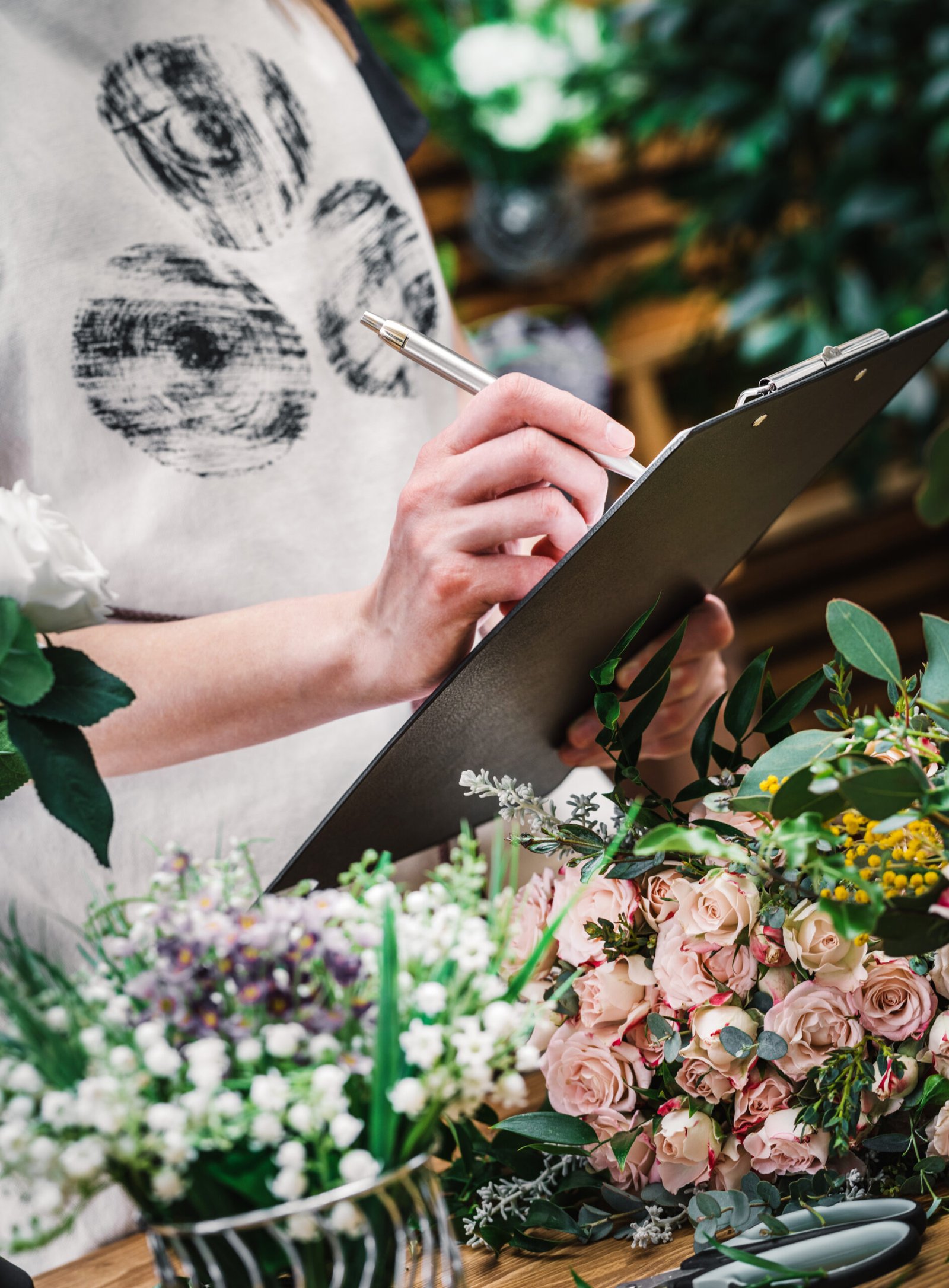
2. Effective Communication

Communication is the backbone of successful event management. As a wedding planner, you’ll be the bridge between couples, vendors, designers, and venue teams. Clear and timely communication builds trust and prevents misunderstandings — especially when last-minute changes arise.

Strong written and verbal communication also helps you present ideas confidently during client meetings and negotiations.

3. Budget Management and Negotiation

A top wedding planner knows how to create stunning celebrations without overspending. Budgeting requires strategic thinking and the ability to allocate funds wisely.

Equally important is negotiation — working with vendors to get the best deals while maintaining quality. This skill ensures that your clients get maximum value within their preferred budget range.

4. Creativity and Design Sense

Every wedding tells a story, and your creative vision brings that story to life. From theme selection to floral arrangements and décor, your ability to visualize and design unique experiences will distinguish you in a competitive market.

Whether you draw inspiration from global trends or cultural traditions, creativity remains your signature strength.
5. Problem-Solving Under Pressure

Even the most meticulously planned weddings can face challenges — unexpected rain, vendor delays, or last-minute guest changes.

A skilled wedding planner stays calm under pressure, thinks on their feet, and finds quick solutions. Your problem-solving ability can make the difference between a crisis and a flawlessly executed celebration.

6. Leadership and Team Management

A wedding involves numerous professionals — photographers, caterers, decorators, entertainers, and more. Leading such a diverse team requires confidence, respect, and teamwork.

Strong leadership ensures everyone works toward the same vision, keeping the event cohesive and stress-free for your clients.

7. Attention to Detail

In the wedding industry, details make the difference. From the placement of flowers to the color palette of invitations, every element contributes to the overall experience.

Attention to detail demonstrates professionalism and ensures that clients feel their day is being handled with utmost care.

8. Client Relationship Building

The foundation of any successful wedding planning business is trust. Building genuine relationships with clients not only helps you understand their vision better but also leads to referrals and long-term success.

Empathy, patience, and emotional intelligence are essential for handling the excitement — and sometimes stress — of wedding planning.

9. Time Management

Weddings run on strict timelines, and delays can affect multiple aspects of the event. An efficient wedding planner masters the art of scheduling, ensuring that every task — from pre-wedding shoots to ceremonies — happens at the right time.

Good time management also allows you to handle multiple clients without compromising on quality.

10. Knowledge of Industry Trends

The best wedding planners constantly evolve. Understanding wedding trends, destination markets, and vendor innovations keeps your services fresh and appealing.

Whether it’s sustainable weddings, minimalistic themes, or experiential guest experiences, staying updated ensures your ideas remain relevant and innovative.

Top 10 Wedding Planner Skills Overview

Key Skills Every Wedding Planner Needs

Skill Description Core Benefit
Organization
Manage multiple tasks, timelines, and vendors efficiently.
Ensures smooth event execution.
Communication
Coordinate effectively with clients and partners.
Builds trust and avoids miscommunication.
Budgeting
Plan and control event expenses wisely.
Delivers maximum value within client budget.
Creativity
Design memorable and unique wedding themes.
Sets your services apart from competitors.
Problem-Solving
Stay calm and resourceful under pressure.
Handles unexpected challenges smoothly.
Leadership
Guide and motivate your event team effectively.
Ensures team coordination and efficiency.
Attention to Detail
Perfect every element of the wedding experience.
Enhances quality and client satisfaction.
Relationship Building
Develop strong client and vendor relationships.
Boosts referrals and brand credibility.
Time Management
Plan and execute tasks on schedule.
Prevents delays and ensures timely delivery.
Industry Knowledge
Stay updated with wedding trends and innovations.
Keeps your services modern and relevant.

Conclusion

Becoming a successful wedding planner requires a blend of creativity, discipline, and emotional intelligence. By mastering these ten essential skills, you’ll not only craft unforgettable experiences but also build a sustainable, rewarding career in the wedding industry.

At The Wedding School, students are trained to develop these very competencies — from event planning fundamentals to client management and design execution — helping them transform passion into profession. Through its comprehensive 6-month Wedding Planning Course, The Wedding School offers a structured, hands-on learning experience that combines live lectures, expert mentorship, and real-world internships. This program equips aspiring planners with the knowledge, confidence, and industry exposure needed to thrive in India’s dynamic wedding industry.
Behind-the-Scenes of Wedding Decor Planning: From Concept to Execution

Behind-the-Scenes of Wedding Decor Planning: From Concept to Execution

Want to build your career as a wedding planner

Every time you walk into a beautifully styled wedding venue, you’re witnessing the result of weeks—sometimes months—of detailed planning, creativity, and coordination. Wedding decor planning is more than just picking pretty colors or floral arrangements—it’s a complex process that transforms a couple’s vision into reality.

Whether it’s a whimsical mehendi setup, a traditional mandap, or a glamorous reception stage, decoration requires artistic direction, logistical precision, and industry experience. Let’s take you behind the scenes and show you how wedding decor planners move from concept to flawless execution.

Step 1: Understanding the Client Vision

The first and most crucial step in wedding and event decorating is the consultation. Decor planners begin by understanding the couple’s personality, preferences, cultural background, and budget. This includes:

  • Favorite themes or color palettes
  • Venue specifics and guest count
  • Religious or traditional elements to include
  • Inspiration references (Pinterest, mood boards, etc.)
  • Good decoration wedding planners know how to ask the right questions and interpret abstract ideas into tangible design directions.

Step 2: Theme Development & Visual Conceptualization

Once the brief is clear, planners begin developing a theme. This involves:

  • Creating mood boards
  • Suggesting color schemes
  • Selecting materials (fabric, flowers, props)
  • Considering the venue’s architecture and natural lighting

At this stage, digital mock-ups or sketches may be created to help the client visualize the setup. Every element—from stage backdrop to centrepieces—is designed to align with the theme while balancing functionality and aesthetics.

Step 3: Sourcing and Vendor Coordination

After finalizing the concept, it’s time to bring in the vendors. This could include:

  • Florists and prop designers
  • Lighting and AV teams
  • Furniture and linen rental services
  • Fabricators and carpenters

Experienced wedding decor planners maintain a trusted network of vendors to ensure quality, punctuality, and alignment with the design vision. Detailed timelines and task lists are created at this point to avoid last-minute confusion.

Step 4: Budget Management and Approvals

Decor doesn’t have to break the bank—but it does require careful planning. This stage includes:

  • Breaking down costs per element (e.g., floral budget, lighting, installation)
  • Getting approvals from the client
  • Reallocating budgets if needed

A well-trained planner ensures that aesthetics and spend go hand in hand. Budget transparency builds trust and keeps everyone aligned.

Step 5: Pre-Production & Rehearsals

Before the big day, the decor team often conducts:

  • Site visits to assess lighting, entry points, and layout
  • Mock setups for centerpieces or backdrops
  • Dry runs for lighting or special effects

This step is essential to troubleshoot challenges early. It also allows planners to coordinate with other teams (like photographers or caterers) to avoid overlap in setup zones.

Step 6: On-Site Execution

This is where everything comes together. Setup typically starts 1–2 days in advance, depending on the scale. Teams are deployed in phases:

  • Structures and draping
  • Floral and lighting installation
  • Furniture and finishing touches

During execution, wedding decor planners are on-site managing timelines, guiding vendors, and ensuring every inch of the venue reflects the original concept. Flexibility is key here—weather delays, venue constraints, or last-minute changes are all part of the job.

Step 7: Final Walkthrough & Event Support

Before guests arrive, the entire setup is checked for:

  • Alignment and symmetry
  • Cleanliness and safety
  • Lighting ambiance and camera-readiness

Some planners stay on through the event to manage decor-related touch-ups or transitions (especially for multi-function setups like pheras followed by receptions).

Why Professional Wedding Decor Planning Matters

Today’s weddings are highly curated experiences. Professional wedding and event decorating goes beyond visual appeal—it creates immersive, memorable environments for couples and guests alike. Behind the magic is a team trained to anticipate challenges, work under pressure, and design with intent.

Final Thoughts

Wedding décor planning is a blend of creativity, precision, and seamless execution. From mood boards to mandaps, planners bring a couple’s dream to life while managing budgets, timelines, and vendor teams. It’s a craft that requires both artistic sensibility and professional training.

At The Wedding School (TWS), students don’t just learn décor theory, they experience it in action. The diploma course takes you through design principles, décor styling, logistics, and live project execution, ensuring you understand how to move from a client’s vision to a fully realized celebration. With internships on real weddings, mentorship from industry experts, and flexible course formats, TWS prepares you to design and manage décor at a professional level.

If wedding décor excites you and you’re ready to turn passion into profession, TWS offers the perfect platform to begin your journey into the world of event and décor planning.

Skills You Need to Succeed as a Wedding Planner in India

Skills You Need to Succeed as a Wedding Planner in India

Introduction

In India’s vibrant and diverse wedding industry, a wedding planner must possess a unique blend of skills to orchestrate seamless and memorable events. Mareesha Parikh, the visionary founder of The Wedding School, emphasizes the importance of a comprehensive skill set that combines creativity, organization, and cultural understanding to excel in this dynamic field.​

1. Mastering Organizational Excellence of Wedding Planner

A wedding planner’s role involves managing numerous details, from vendor coordination to timeline execution. Exceptional organizational skills are essential to ensure that every aspect of the wedding aligns with the couple’s vision. This includes creating detailed schedules, maintaining checklists, and overseeing logistics to guarantee a flawless event.​

2. Cultivating Creative Vision

Creativity is at the heart of wedding planning. Planners must conceptualize unique themes, design captivating decor, and curate personalized experiences that reflect the couple’s personalities. Staying abreast of the latest trends and incorporating innovative ideas can transform a wedding into an unforgettable celebration.​

3. Budgeting with Precision

Effective budget management is crucial in delivering a wedding that meets the client’s expectations without financial strain. Planners must allocate resources wisely, negotiate favorable deals with vendors, and track expenses meticulously. This financial acumen ensures that the event remains within budget while maintaining quality.​

4. Communicating with Clarity

Clear and empathetic communication is vital in understanding clients’ desires and conveying plans effectively. Planners interact with diverse stakeholders, including families, vendors, and service providers. Articulating ideas, addressing concerns, and providing regular updates foster trust and collaboration throughout the planning process.

5. Negotiating with Finesse

Negotiation skills are indispensable for securing the best services at optimal prices. Planners must advocate for their clients’ interests while maintaining positive relationships with vendors. This balance ensures quality services and contributes to the overall success of the event.

6. Networking for Success

Building a robust network of industry professionals enhances a planner’s ability to deliver exceptional events. Establishing connections with reliable vendors, venues, and other service providers enables planners to offer diverse options and solutions to clients. Active participation in industry events and communities fosters continuous growth and opportunities.​

7. Embracing Cultural Sensitivity

India’s rich cultural tapestry requires planners to be adept at managing diverse traditions and customs. Understanding religious rituals, regional practices, and family dynamics is essential in creating respectful and inclusive celebrations. This cultural competence ensures that each wedding is a true reflection of the couple’s heritage.​

8. Conclusion

Success as a wedding planner in India demands a harmonious blend of organizational prowess, creative flair, financial savvy, and cultural insight. Under the guidance of industry leaders like Mareesha Parikh, aspiring planners can cultivate these skills to craft extraordinary weddings that resonate with clients and guests alike.​

How to Become a Certified Wedding Planner in India – A Step-by-Step Guide

Want to build your career as a wedding planner

Introduction

The Indian wedding industry is a vibrant tapestry of traditions, colors, and celebrations. With the increasing demand for personalized and grand weddings, the role of a wedding planner has become indispensable. Embarking on a career as a certified wedding planner in India offers an opportunity to blend creativity with organizational skills, turning dreams into reality.​

Step 1: Understand the Role of a Wedding Planner

A wedding planner is the maestro orchestrating every element of a wedding, ensuring a harmonious and memorable event. Responsibilities include budgeting, vendor coordination, logistics, design conceptualization, and crisis management. Essential skills encompass attention to detail, excellent communication, problem-solving abilities, and a deep understanding of cultural nuances.​

Step 2: Acquire Relevant Education and Training

Formal education lays the foundation for a successful career in wedding planning. Institutions like The Wedding School (TWS), founded by industry veteran Mareesha Parikh, offer comprehensive courses that combine theoretical knowledge with practical exposure. TWS provides both live online and hybrid courses, covering modules such as hospitality, logistics, decor aesthetics, and client servicing.

Step 3: Gain Practical Experience

Hands-on experience is crucial in the wedding planning industry. Internships with established planners or event management companies provide real-world insights and help in building a robust portfolio. Participating in various events, from intimate gatherings to large-scale weddings, hones one’s skills and adaptability.​

Step 4: Build a Professional Network

Networking is the lifeblood of the wedding planning industry. Establishing relationships with vendors, venues, and fellow planners can lead to collaborations and referrals. Attending industry events, workshops, and seminars keeps one connected and informed about the latest trends and opportunities.

Step 5: Obtain Certification

Certification adds credibility and demonstrates a commitment to professionalism. Institutions like TWS offer certified diploma courses that are recognized within the industry. Such certifications not only enhance one’s resume but also instill confidence in potential clients.​

Step 6: Develop a Business Plan

For those aspiring to start their own wedding planning venture, a well-structured business plan is essential. This includes defining services offered, pricing strategies, marketing plans, and financial projections. Understanding the legalities, such as business registration and contracts, ensures smooth operations.​

Step 7: Stay Updated with Industry Trends

The wedding industry is dynamic, with evolving trends and client preferences. Continuous learning through workshops, courses, and industry publications keeps planners ahead of the curve. Embracing innovations, such as sustainable practices or virtual wedding planning tools, can set one apart in a competitive market.​

Conclusion

Becoming a certified wedding planner in India is a journey that combines passion, education, and perseverance. With guidance from esteemed institutions like The Wedding School and mentorship from industry leaders like Mareesha Parikh, aspiring planners can carve a niche in this enchanting domain. By embracing continuous learning and building strong networks, one can transform the art of wedding planning into a fulfilling and prosperous career.​

The Benefits of Becoming a Certified Wedding Planner in 2025

The Benefits of Becoming a Certified Wedding Planner in 2025

Want to build your career as a wedding planner 

Introduction

The wedding industry has always been a vibrant and ever-evolving landscape, but 2025 marks a pivotal moment for aspiring wedding planners. With an increasing number of couples seeking personalized and memorable celebrations, the demand for certified professionals is at an all-time high. Certification isn’t just a badge; it’s a gateway to unparalleled opportunities and a thriving career in one of the most rewarding industries.

What Does It Mean to Be a Certified Wedding Planner?

A certified wedding planner is more than an organizer; they are a visionary who turns dreams into reality. From managing intricate timelines to orchestrating the smallest details, their role is multifaceted. Certification not only validates your skills but also assures clients that you possess the expertise and professionalism to handle their special day seamlessly. It’s the difference between being a planner and a trusted partner in creating life’s most cherished moments.

The Advantages of Certification in 2025

In 2025, certification carries more weight than ever. It offers enhanced credibility, making clients more likely to entrust you with their big day. Certified planners have access to cutting-edge industry trends, from sustainable wedding practices to innovative technology integrations. Additionally, certification often comes with membership in exclusive networks, allowing you to connect with other professionals, share knowledge, and stay ahead in this dynamic industry.

Boosting Your Career Prospects

Competition in the wedding planning market is fierce, but certification gives you an edge. It signals to venues and vendors that you are a professional who understands industry standards and expectations. This recognition can lead to collaborations that open doors to high-profile events, exclusive client lists, and premium venues. Certification is your ticket to standing out in a sea of talented planners.

Financial Benefits of Certification

Certified wedding planners often command higher rates, reflecting the quality and reliability of their services. With specialized knowledge, you can cater to niche markets, such as destination weddings or cultural ceremonies, further expanding your clientele. The financial rewards of certification are tangible, turning your passion into a profitable career while delivering exceptional value to your clients.

Personal Growth and Skill Development

Beyond the financial and professional perks, certification fosters personal growth. You’ll hone skills like negotiation, time management, and creative problem-solving. The unpredictable nature of wedding planning builds resilience, while the joy of making someone’s day unforgettable fuels your passion. Certification transforms you into a well-rounded professional equipped to navigate challenges with confidence and poise.

Steps to Becoming Certified

Becoming a certified wedding planner starts with choosing the right program. Look for one that aligns with your career goals and offers comprehensive training. Coursework typically covers event design, budgeting, vendor coordination, and client relations. Practical experience, whether through internships or mentorships, is equally vital. These steps ensure you are prepared to deliver exceptional service from day one.

Conclusion

Becoming a certified wedding planner in 2025 is more than a career choice; it’s a commitment to excellence in a field that thrives on creativity and connection. Certification not only elevates your professional standing but also enriches your personal journey, equipping you with skills that last a lifetime. As the demand for skilled planners continues to rise, there’s no better time to take the leap and embrace this transformative opportunity.

From Course to Career: Internship Opportunities in Wedding Planning

From Course to Career: Internship Opportunities in Wedding Planning

Want to build your career as a wedding planner 

A wedding course offers a fantastic launchpad for anyone looking to enter the exciting and dynamic world of wedding planning. These specialized courses not only provide you with foundational knowledge about the wedding industry but also open doors to invaluable wedding career opportunities. For those passionate about designing memorable events, gaining practical experience through internships is a key step in bridging the gap between classroom learning and real-world application.

Why Take a Wedding Course?

A wedding course covers a variety of topics, including event management, vendor coordination, and client relationships. These courses are designed to help you build a strong understanding of the wedding industry’s complexities, ensuring that you are prepared to handle different aspects of wedding planning. By gaining skills in budgeting, timelines, and event logistics, you are equipped to meet the demands of a growing wedding career.

The beauty of a wedding course is its practical nature. Rather than simply focusing on theoretical knowledge, the curriculum typically includes case studies, hands-on projects, and exposure to industry professionals. Whether you’re learning how to create wedding timelines or navigating contracts with vendors, every element of the course contributes to your future success.

The Role of Internships in a Wedding Career

Internships are an essential component of launching a successful wedding career. After completing your wedding course, an internship allows you to apply your learning in real-world scenarios. Internships with established wedding planners or event companies offer exposure to the behind-the-scenes intricacies of wedding planning that are not always covered in a classroom setting.

During your internship, you will gain direct experience in managing event logistics, coordinating with vendors, and assisting with client consultations. You’ll also develop soft skills such as communication, problem-solving, and multitasking—skills that are crucial to becoming a successful wedding planner. Internships can help you establish a professional network within the industry, making it easier to land a permanent role or start your own wedding planning business after the program.

How Internships Shape Your Wedding Career

Internships provide a hands-on experience that builds your resume and enhances your marketability. When you enter the wedding industry, having practical experience is invaluable, as clients and employers alike seek professionals who can handle the complexities of wedding planning. Through internships, you will develop a deep understanding of client preferences, budgets, and expectations.

Moreover, internships often lead to full-time opportunities. Many wedding planning firms prefer to hire interns who have already proven their skills and dedication. By working closely with experienced professionals, you will also gain mentorship that can guide you through the early stages of your wedding career.

Internship Opportunities with The Wedding School

The Wedding School (TWS) offers exclusive internship opportunities with some of the top wedding planners and decor companies across India. Whether you aspire to work with renowned firms in cities like Mumbai, Delhi, Jaipur, or Goa, TWS ensures that you gain practical exposure in your preferred location. These internships provide a comprehensive experience, allowing students to work on live projects and contribute to high-profile weddings. With the right guidance and industry connections facilitated by TWS, students can seamlessly transition from academic learning to a thriving wedding career.

Final Thoughts

Starting your wedding career with a comprehensive wedding course is a wise investment for anyone passionate about the wedding industry. The practical skills and theoretical knowledge you gain set the foundation for success. When paired with internships, these opportunities provide you with the hands-on experience and industry insights that are crucial to your growth. Whether you dream of working with prestigious wedding planners or starting your own event planning business, the right combination of education and internships will ensure you are fully prepared to take on this exciting and rewarding career.
By combining formal education and internship experience, you can confidently move from learning the ropes of the wedding industry to becoming an integral part of creating unforgettable celebrations.

Wedding Planning vs. Design and Decor: What’s the Difference?

Wedding Planning vs. Design and Decor: What’s the Difference?

Want to build your career as a wedding planner 

Introduction

Weddings are monumental occasions that mark the union of two people in love. They symbolize commitment, joy, and the beginning of a beautiful journey together. But as anyone who has been involved in planning one can tell you, a wedding involves a lot of moving parts. This is where the distinction between wedding planning and design and decor comes into play. While they are interrelated, understanding their unique roles can help ensure that your big day goes off without a hitch.

Understanding Wedding Planning

Definition and Scope

Wedding planning encompasses the entire process of organizing a wedding, from start to finish. It involves coordinating all the logistical aspects, ensuring everything runs smoothly on the big day. Think of a wedding planner as the conductor of an orchestra, managing various components to create a harmonious event.

Key Responsibilities of a Wedding Planner

A wedding planner wears many hats. They help couples set a budget, create a timeline, book vendors, manage guest lists, and handle contracts. Their goal is to alleviate stress, allowing couples to enjoy the lead-up to their wedding without feeling overwhelmed.

The Art of Design and Decor

What is Wedding Design?

Wedding design is all about aesthetics. It focuses on the visual elements of the wedding, such as themes, colors, and styles. Designers craft the overall look and feel, creating an atmosphere that reflects the couple’s personality and love story.

The Importance of Decor in Weddings

Decor sets the mood for the celebration. From floral arrangements to table settings, decor can transform a venue into a magical space. It’s what turns a blank canvas into a breathtaking masterpiece, enhancing the wedding experience for everyone involved.

Differences Between Planning and Design

Focus Areas: Logistics vs. Aesthetics

The primary distinction lies in focus. Wedding planning is largely logistical, concentrating on timelines, budgets, and vendor coordination. On the other hand, design emphasizes visual storytelling, crafting an enchanting ambiance that captivates guests.

How They Complement Each Other

While planning and design have different focuses, they are complementary. A well-executed plan supports beautiful design, while stunning decor enhances the overall experience of a meticulously organized event.

The Wedding Planning Process

Budgeting and Scheduling

One of the first steps in wedding planning is establishing a budget. This sets the tone for all other decisions, from venue selection to vendor hiring. A comprehensive schedule is also essential to keep everything on track.

Vendor Coordination and Management

Wedding planners handle the nitty-gritty of vendor management. They liaise with caterers, photographers, florists, and more to ensure that every detail aligns with the couple’s vision and expectations.

Designing the Perfect Wedding

Color Schemes and Themes

Creating a cohesive color scheme is pivotal in wedding design. Colors evoke emotions and set the mood. Whether opting for soft pastels or bold hues, the chosen palette should reflect the couple’s style.

Creating Ambiance with Decor Elements

Decor elements, such as lighting, flowers, and table settings, contribute to the overall ambiance. Designers carefully select and arrange these components to create a welcoming and enchanting atmosphere for guests.

The Role of a Wedding Planner

Project Management Skills

Wedding planners are essentially project managers. They oversee every detail, ensuring that timelines are met and tasks are completed. Their organizational skills are vital in navigating the complexities of wedding planning

Time Management and Stress Reduction

By managing the logistics, wedding planners significantly reduce stress for couples. They take care of the details, allowing couples to focus on enjoying their engagement and looking forward to their special day.

The Role of a Designer

Creative Vision and Concept Development

Designers bring creativity to the forefront. They develop a cohesive concept that reflects the couple’s personality and vision, ensuring every detail aligns with the desired aesthetic.

Understanding Trends and Styles

Staying updated on the latest trends and styles is crucial for designers. They incorporate contemporary elements while also considering timeless designs that resonate with the couple and their guests.

Collaboration Between Planners and Designers

Importance of Communication

Effective communication between planners and designers is essential for a successful wedding. They must collaborate closely to ensure that the vision aligns with logistical feasibility.

Ensuring a Cohesive Experience

When planners and designers work together seamlessly, the result is a beautifully cohesive experience for guests. Every element—from the invitations to the table settings—should feel connected and thoughtfully curated.

Case Studies: Planning and Design in Action

Examples of Successful Collaborations

  1. Rustic Barn Wedding: A couple wanting a cozy, rustic wedding partnered with a planner who organized the logistics and a designer who transformed a barn venue with fairy lights, burlap, and wildflowers, creating a warm, inviting atmosphere.
  2. Elegant Black-Tie Affair: In a luxury hotel setting, a wedding planner coordinated with high-end vendors while a designer focused on intricate table settings and elegant floral arrangements, resulting in a stunningly sophisticated event.

Lessons Learned from Real Weddings

Learning from case studies provides valuable insights into what works and what doesn’t. Couples can draw inspiration from these experiences to tailor their own wedding planning and design process.

Tips for Couples: Choosing the Right Professionals

Questions to Ask Wedding Planners

When selecting a wedding planner, couples should ask about their experience, approach to planning, and how they handle challenges. It’s essential to find someone whose style and philosophy align with the couple’s vision.

How to Select a Decor Designer

Similarly, when choosing a decor designer, couples should inquire about their portfolio, design process, and understanding of current trends. Finding a designer who resonates with the couple’s aesthetic will enhance the overall wedding experience.

Conclusion

Understanding the distinction between wedding planning and design is crucial for couples embarking on their wedding journey. While planning focuses on logistics and organization, design emphasizes aesthetics and ambiance. By recognizing the unique roles each aspect plays, couples can create a seamless, enchanting wedding experience that reflects their love story. Embracing both elements will ensure that every detail—from the grandest gestures to the tiniest touches—comes together beautifully, leaving a lasting impression on all who attend.

How Experience and Location Impact Your Salary in the Wedding Industry

How Experience and Location Impact Your Salary in the Wedding Industry

Want to build your career as a wedding planner 

The wedding industry is a dynamic and competitive field that offers exciting opportunities for individuals passionate about creating memorable events. If you’re considering a career in the wedding industry, it’s crucial to understand how experience and location can significantly impact your salary. This article will provide you with an in-depth look into these factors and explore strategies to increase your earning potential.

Understanding the Wedding Industry: An Overview

The wedding industry encompasses a vast range of services and professionals working together to create beautiful and unforgettable celebrations. From wedding planners and photographers to venue owners and caterers, each role plays a vital part in bringing couples’ dreams to life. Understanding the key players and economic impact of the wedding industry is essential to comprehend how experience and location influence salaries.

Key Players in the Wedding Industry

There are various key players in the wedding industry, each fulfilling specific roles to ensure the success of an event. Wedding planners are responsible for organizing all aspects of the wedding, from the venue selection to coordinating with vendors. They work closely with couples to understand their vision and execute it flawlessly, alleviating the stress and allowing the soon-to-be-weds to fully enjoy their special day.

Photographers and videographers play a crucial role in capturing the precious moments throughout the day, preserving memories that last a lifetime. Their artistry and technical skills allow them to create stunning visual narratives, documenting every smile, tear, and laughter. These professionals have the ability to transport couples back to their wedding day, allowing them to relive the emotions and joy over and over again.

Venue owners provide the backdrop for the celebration, offering a wide array of options to suit every couple’s taste and style. From grand ballrooms in historic mansions to rustic barns nestled in picturesque landscapes, venues set the tone for the entire event. They work closely with wedding planners and couples to ensure that every detail is taken care of, from seating arrangements to lighting and decor.

Caterers and florists enhance the wedding experience with their culinary and artistic creations. Caterers create delectable menus that tantalize the taste buds, offering a wide range of options to accommodate different dietary preferences and cultural traditions. Florists, on the other hand, transform spaces with their creative floral arrangements, adding a touch of elegance and beauty to every corner.

Economic Impact of the Wedding Industry

The wedding industry is not only a source of joy and celebration but also a significant driver of economic growth. According to a study by the Wedding Association, the wedding industry generated an impressive [X amount] in revenue last year. This economic impact ripples beyond just the professionals directly involved in weddings, benefiting businesses such as hotels, restaurants, and transportation services. 

Hotels experience a surge in bookings as out-of-town guests flock to attend weddings. They offer special packages and accommodations tailored to wedding parties, ensuring a comfortable and memorable stay for all. Restaurants and catering services also benefit from the wedding industry, as they are often chosen to host rehearsal dinners, bridal showers, and post-wedding brunches. Transportation services, such as limousine companies and car rental agencies, witness an increase in demand as couples and their guests require reliable transportation to and from the various wedding-related events.

The economic impact of the wedding industry extends even further, as couples and their guests often indulge in shopping for wedding attire, jewelry, and gifts. Local businesses specializing in wedding-related products and services thrive, contributing to the overall economic vitality of the community.

The Role of Experience in the Wedding Industry

Experience plays a crucial role in the wedding industry, from establishing credibility and trust with clients to honing necessary skills to execute flawless weddings. As you gain expertise and learn from each event, your earning potential increases along with the value you bring to the table. 

Moreover, experience in the wedding industry goes beyond just the technical skills. It also encompasses the ability to anticipate and mitigate potential issues, handle high-pressure situations with grace, and provide exceptional customer service. These soft skills are often developed over time through exposure to a variety of wedding scenarios and client interactions, making experienced professionals invaluable assets in the industry.

How Experience Influences Salary

Clients often seek experienced wedding professionals who can handle the nuances and challenges that come with planning and executing a successful wedding. With experience, you become more efficient in managing the logistics, handling unexpected situations, and ensuring a seamless experience for the couple and their guests. This added value allows you to command higher fees and negotiate better contracts, ultimately impacting your salary positively.

Furthermore, experienced professionals in the wedding industry tend to attract a more discerning clientele who are willing to pay a premium for top-notch services. This not only elevates your earning potential but also solidifies your reputation as a trusted and sought-after wedding expert, opening doors to more lucrative opportunities in the future.

Building Experience in the Wedding Industry

Building experience is a gradual process that involves gaining hands-on experience, continuous learning, and networking with industry professionals. Start by interning or assisting established wedding planners, photographers, or other wedding professionals to gain valuable insights into their workflows and best practices. Additionally, attending workshops, conferences, and industry events will expose you to the latest trends and developments, allowing you to stay ahead in the competitive wedding market.

Networking with vendors, venues, and other professionals in the wedding industry is also a key aspect of building experience. Establishing strong relationships with reliable partners can streamline the planning process, enhance the quality of your services, and lead to valuable referrals in the future. Collaborating with a diverse range of industry experts not only expands your knowledge base but also enriches your overall understanding of the intricate web of connections that make up the wedding industry ecosystem.

The Influence of Location on Your Salary

While experience is vital, the location where you operate plays a significant role in determining your earning potential in the wedding industry. Some areas have a higher demand for wedding services, while others may be saturated with vendors, leading to increased competition and potentially lower salaries. Understanding the relationship between location and salary is key to making informed decisions about where to establish your wedding business.

High-Paying Locations for Wedding Professionals

In India, cities like Mumbai and Delhi are renowned for their grand weddings and affluent clientele, offering abundant opportunities for wedding professionals. Mumbai, as the financial capital, attracts high-end weddings with its cosmopolitan flair and luxurious venues, while Delhi, known for its elaborate multi-day celebrations, offers a rich cultural backdrop with its historic sites and five-star hotels. Jaipur and Udaipur, both in Rajasthan, are top choices for destination weddings, with Jaipur’s royal palaces and Udaipur’s lakeside venues providing picturesque settings that draw clients from across India and abroad. These locations, with their unique blend of luxury and tradition, make India a significant market for the wedding industry.

Factors That Make a Location Profitable

Profitable wedding locations are often characterized by a combination of factors. A strong local economy, high disposable income among residents, and a culture that values elaborate weddings all contribute to the profitability of a location. Additionally, analyzing the competition and understanding the existing market demand will help you assess the feasibility of establishing your business in a particular area.

Strategies to Increase Your Salary in the Wedding Industry

Maximizing your salary potential in the wedding industry requires a proactive approach towards enhancing your skills and leveraging strategic opportunities.

Enhancing Your Skills and Experience

Continuously investing in your skills and knowledge will set you apart from your competitors and increase your value as a wedding professional. Pursue professional certifications, attend specialized workshops, and engage in ongoing education relevant to your field. Additionally, seeking out mentorship from industry leaders can provide valuable guidance and help you navigate the challenges of the wedding industry.

Choosing the Right Location for Your Business

When considering where to establish your wedding business, carefully research and analyze potential locations. Evaluate local market demand, competition, and the availability of resources and support networks. Collaborating with established wedding professionals in your desired location can provide invaluable insights and help you make an informed decision that aligns with your business goals.

Future Trends in the Wedding Industry

The wedding industry is constantly evolving, driven by changing societal trends and technological advancements. Staying ahead of these trends will enable you to adapt and thrive in an ever-changing landscape.

Predicted Changes in the Wedding Industry

Experts suggest that the wedding industry will continue to see a rise in demand for personalized and unique experiences. Couples are increasingly seeking distinctive elements that reflect their personalities and values, such as eco-friendly weddings, cultural celebrations, or intimate destination elopements. Additionally, technology will play a significant role in enhancing the wedding experience, with virtual reality, drone photography, and online wedding planning tools becoming more prevalent.

Preparing for the Future of the Wedding Industry

To prepare for the future of the wedding industry, embrace innovation, and stay updated with emerging trends and technologies. Incorporate sustainable practices into your business, such as offering eco-friendly options and reducing waste. Additionally, leveraging social media and online platforms to showcase your work and connect with potential clients will be crucial in maintaining a competitive edge.

Conclusion

In conclusion, experience and location are significant factors that impact your salary in the wedding industry. Building experience, continuously enhancing your skills, and strategically selecting the right location for your business are key steps towards increasing your earning potential. Furthermore, adapting to future trends and staying agile in an ever-evolving industry will ensure your long-term success as a wedding professional.
Why 2025 Is the Best Year to Start Your Career in Event Planning?

Why 2025 Is the Best Year to Start Your Career in Event Planning?

Want to build your career as a wedding planner 

Event planning is no longer just about coordinating parties or managing logistics. It has transformed into a dynamic and lucrative profession, blending creativity, organization, and innovation. As industries embrace a post-pandemic reality, 2025 emerges as a turning point for aspiring event planners. From technological advancements to a growing demand for unforgettable experiences, the landscape has never been more promising.

The Booming Demand for Events in 2025

In-person gatherings are back with a vengeance. After years of restrictions and limitations, people are eager to celebrate milestones, host grand weddings, and organize corporate retreats. Hybrid and virtual events, which gained prominence during the pandemic, are also thriving, offering endless opportunities for event planners to cater to diverse needs. This surge in demand ensures steady work and room for growth in the industry.

Advancements in Event Planning Technology

The technological revolution has made event planning more accessible and efficient than ever. From AI-driven scheduling tools to 3D venue mapping, technology simplifies every aspect of the planning process. Innovations like augmented reality (AR) and virtual reality (VR) are elevating attendee experiences, allowing event planners to design immersive and unforgettable events. Starting in 2025, aspiring professionals can leverage these tools to stand out in a competitive market.

Rise of Specialized Event Niches

The era of generic events is fading. Instead, niche markets such as luxury weddings, sustainable events, and wellness retreats are gaining traction. Micro-weddings, experiential marketing activations, and corporate team-building experiences are also on the rise. These niches provide endless opportunities for new event planners to carve out their expertise and attract high-value clients.

Shifts in Consumer Preferences

Modern clients are no longer satisfied with cookie-cutter events. They crave personalization, meaningful connections, and experiences that align with their values. Sustainability has become a key focus, with eco-friendly décor, zero-waste practices, and green venues becoming essential. Inclusivity is another significant trend, as clients demand events that cater to diverse audiences, creating opportunities for planners to innovate and excel.

Economic Stability and Increased Budgets

As global economies recover, businesses and individuals are allocating larger budgets for events. Corporate clients are investing in brand activations, employee engagement programs, and large-scale conferences, while private clients are sparing no expense on celebrations. This financial stability ensures a thriving market for event planners entering the field in 2025.

Career Flexibility and Entrepreneurial Opportunities

Event planning offers unparalleled flexibility, allowing professionals to choose between freelancing, full-time roles, or entrepreneurship. The rise of remote collaboration has expanded opportunities for planners to work with clients across the globe. Aspiring event planners can establish their own businesses, leveraging their unique styles and approaches to build a strong brand in a dynamic industry.

The Impact of Social Media on Event Planning Careers

Social media is a game-changer for event planners. Platforms like Instagram, Pinterest, and TikTok allow professionals to showcase their work, attract clients, and build a loyal following. Viral events and shareable moments are becoming the norm, and planners who understand how to create Instagram-worthy experiences will thrive in 2025. A strong social media presence is now an essential tool for success.

Supportive Educational Resources and Certifications

In 2025, aspiring event planners have access to a wealth of specialized courses, workshops, and certifications. Programs focusing on sustainability, technology, and niche markets equip professionals with the skills they need to excel. These resources are not just enhancing expertise but also legitimizing event planning as a respected profession.

Networking Opportunities in a Globalized Industry

The event planning industry is more interconnected than ever. International conferences, trade shows, and online forums provide valuable networking opportunities for new planners. Building relationships with vendors, clients, and industry peers is critical for success, and 2025 offers a globalized platform to connect and collaborate.

Work-Life Balance in Event Planning

Contrary to popular belief, event planning can offer a balanced lifestyle. Flexible schedules and remote tools empower planners to control their workload and prioritize personal well-being. Advanced technology reduces time-consuming tasks, allowing planners to focus on creativity and client satisfaction without burning out.

Conclusion

As we step into 2025, the event planning industry is brimming with opportunities. The combination of technological innovation, economic recovery, and shifting consumer preferences creates a fertile ground for aspiring professionals. Whether you’re drawn by the creativity, the flexibility, or the entrepreneurial potential, there’s never been a better time to embark on this exciting career path. Seize the moment and make your mark in the vibrant world of event planning.

Celebrating India’s Wedding Potential: Highlights from the PHDCCI Wedding Tourism Summit

Celebrating India’s Wedding Potential: Highlights from the PHDCCI Wedding Tourism Summit

Want to build your career as a wedding planner 

Ever wondered what makes India one of the most sought-after destinations for weddings? The answer lies in its blend of rich traditions, stunning locations, and unmatched hospitality. This was celebrated in full glory at the PHDCCI Wedding Tourism Summit & Expo, held on October 18-19, 2024, at PHD House, New Delhi.

This landmark event, organized by the PHD Chamber of Commerce and Industry (PHDCCI) in collaboration with the Event and Entertainment Management Association (EEMA), was nothing short of a spectacle. Hon’ble Minister of Tourism and Culture, Shri Gajendra Singh Shekhawat, shared his vision for how wedding tourism can transform India’s economy. And it wasn’t just about grand speeches—key figures like PHDCCI President Hemant Jain and EEMA President Samit Garg delved into actionable strategies to position India as the world’s favorite wedding destination.

Add to that the vibrant presence of state tourism boards like Gujarat, Madhya Pradesh, and Uttar Pradesh, plus wedding planners, service providers, influencers, and even couples planning their dream weddings, and you’ve got an event that was as inspiring as it was insightful.

India: A Dream Destination for Weddings

From the royal palaces of Rajasthan to the serene beaches of Goa and Kerala, India has it all. Whether you’re dreaming of a regal affair or a cozy beachfront ceremony, there’s a venue for every couple.

The summit painted a vivid picture of India’s diverse appeal, showcasing why the $50 billion Indian wedding market is growing at 20-25% annually. It’s not just about hosting weddings—it’s about creating memories that are steeped in culture, luxury, and uniqueness. And with 54% of India’s population under 30, weddings are big business. The energy, the creativity, and the scale of this industry make it a true economic powerhouse.

Behind the Scenes: A Showcase of Excellence

Imagine stepping into a world where everything you need for the perfect wedding is at your fingertips. That’s exactly what the summit’s exhibition brought to life. Here’s a glimpse of what was on display:

  • Venues that Dazzle: Heritage forts, luxury resorts, and chic urban spaces for every kind of wedding.
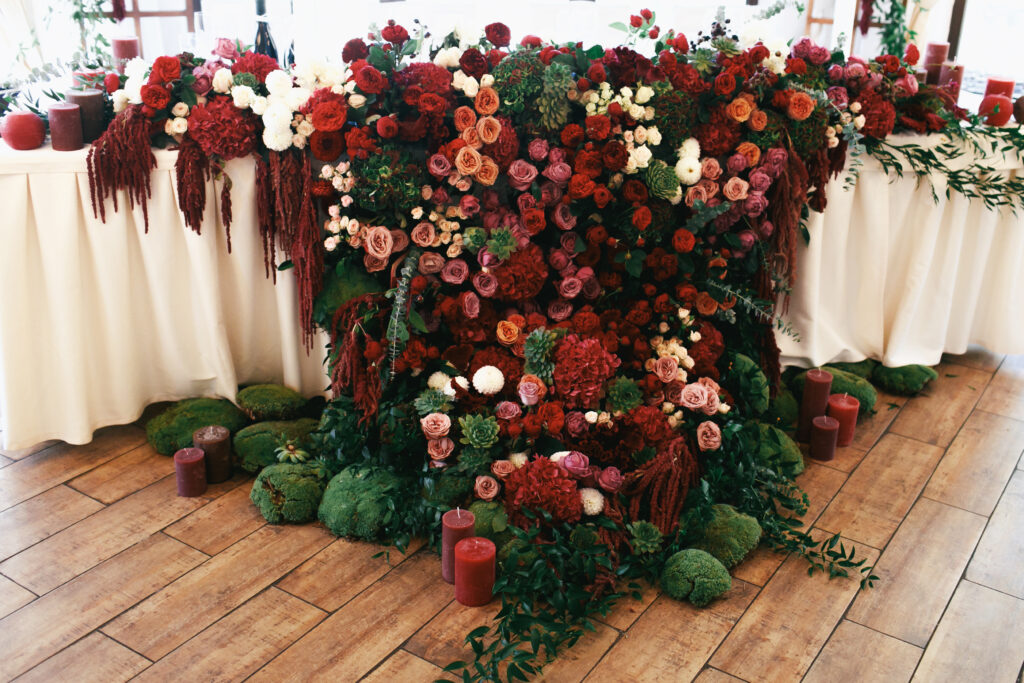
  • Floral Magic: Decorators who can turn any venue into a dreamland with stunning themes and designs.
  • Fashion and Jewelry Galore: Designers showcasing bridal collections that blend tradition and modernity.
  • Culinary Delights: Caterers serving everything from regional favorites to global cuisines that tantalize taste buds.
  • Luxury on Wheels: High-end cars and vintage vehicles adding a touch of glamour.
  • Picture-Perfect Moments: Photographers and videographers who specialize in capturing magical memories.

It wasn’t just about showcasing; it was about inspiring. Every exhibitor brought their A-game, presenting innovative solutions for making weddings extraordinary.
Learn, Connect, Grow: Insights from the Experts

One of the biggest takeaways from the summit was the power of collaboration. The Ministry of Tourism played a key role, highlighting its initiatives to promote India as a global wedding hub. State tourism boards pitched in, too, showcasing their unique offerings—from Gujarat’s royal vibes to Madhya Pradesh’s scenic beauty and Uttar Pradesh’s cultural heritage.

These collaborations aren’t just about ideas—they’re about action. Simplified permissions, incentives for wedding planners, and investments in infrastructure are paving the way for India to shine even brighter on the global stage.

What’s Next?

For those who attended, the summit was a treasure trove of opportunities. Wedding planners found new ideas to wow their clients. Service providers networked with industry peers. Couples walked away inspired to create their dream wedding.

Tour operators are now exploring ways to blend wedding tourism with immersive travel experiences, offering destination weddings that are as much about celebration as they are about exploration. The possibilities are endless, and the excitement is palpable.

Why India Is the Future of Wedding Tourism?

India isn’t just a wedding destination—it’s a wedding experience. The PHDCCI Wedding Tourism Summit & Expo proved that there’s no place like India when it comes to celebrating love. With its unique ability to blend luxury, tradition, and innovation, India is ready to redefine what it means to host a wedding.

So, whether you’re planning your own big day, part of the industry, or just curious about what makes weddings in India so magical, one thing is clear: the future of weddings is here, and it’s shining brighter than ever before.