What Makes The Wedding School Different from Other Event Institutes?

What Makes The Wedding School Different from Other Event Institutes?

Want to build your career as a wedding planner

The wedding industry in India is booming — a multi-billion-rupee sector blending creativity, logistics, culture, and storytelling. As the demand for skilled wedding planners continues to rise, many aspiring professionals are seeking formal training to turn their passion into a rewarding career.

While several event institutes offer courses in event management, The Wedding School (TWS) stands apart as a specialized institute designed exclusively for the wedding industry. With a curriculum rooted in real-world experience, industry mentorship, and hands-on training, TWS doesn’t just teach you how to plan weddings — it prepares you to lead them.

Let’s explore what truly makes The Wedding School different from other event institutes.

1. A Curriculum Tailored Exclusively to Weddings

Most event management programs cover a wide range of events — corporate seminars, concerts, product launches, and exhibitions. While this provides broad exposure, it doesn’t dive deep into the nuances of weddings.

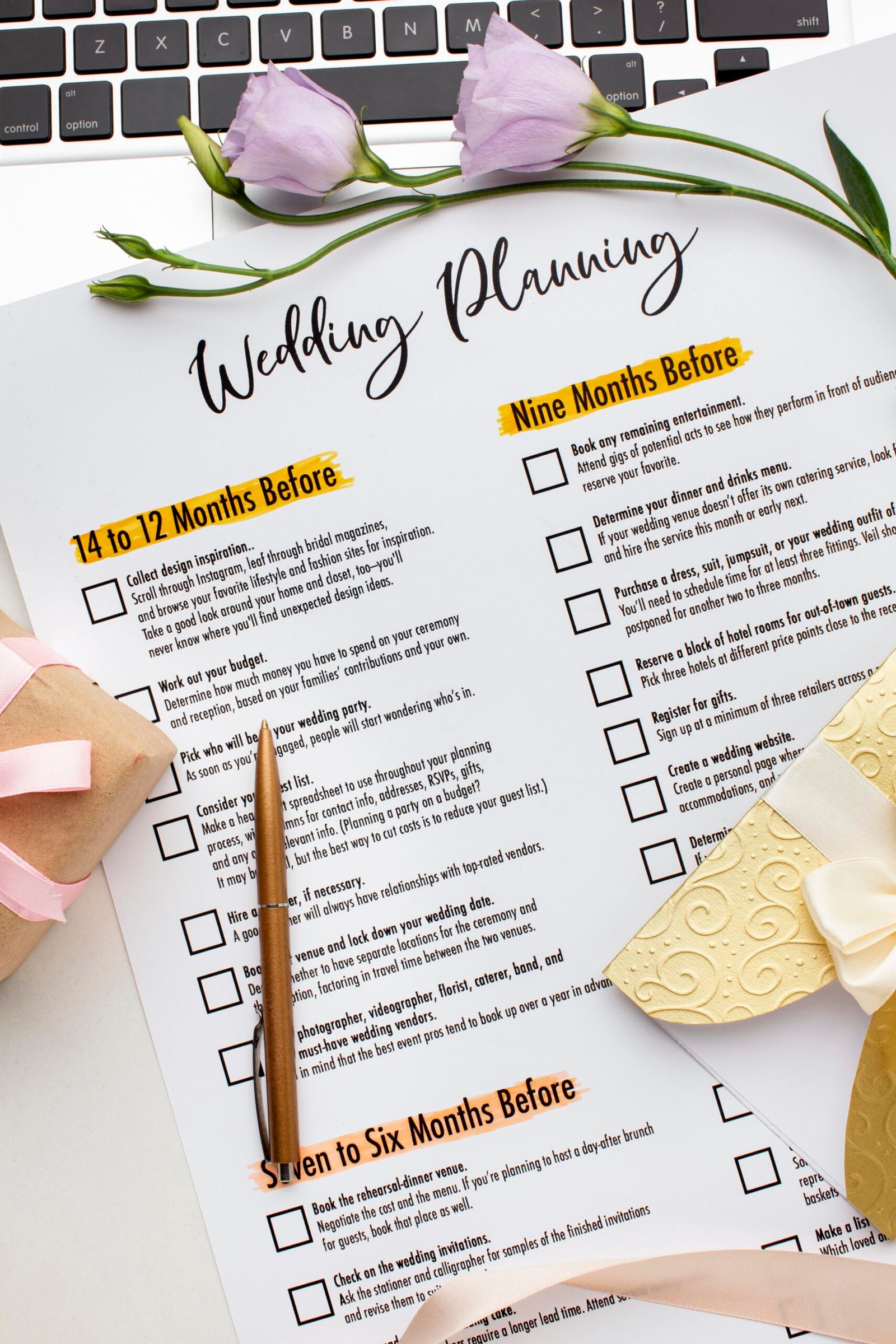
At The Wedding School, the curriculum is built specifically for wedding planning and management. Students learn about client interaction, décor planning, budgeting, logistics, hospitality, and cultural nuances that are unique to Indian weddings — from intimate affairs to destination celebrations.
2. Led by Industry Experts and Mentors

One of the biggest differentiators of The Wedding School is its mentorship model. Classes are led by seasoned wedding planners, designers, and entrepreneurs who actively work in the industry.

This ensures that students receive first-hand insights, real-life case studies, and practical problem-solving strategies — the kind of knowledge no textbook can provide. The result is a learning experience that feels as authentic as working on a live wedding project.

3. Hands-On Training and Real-World Exposure

Unlike many event institutes that focus primarily on theory, The Wedding School emphasizes practical learning. Students work on actual weddings, shadow professionals, and gain on-ground experience across décor, logistics, hospitality, and vendor management.

This immersive approach bridges the gap between classroom learning and real-world execution — ensuring graduates are job-ready from day one.
4. Focus on Professional and Personal Development

A great wedding planner needs more than just technical skills — they need empathy, communication, leadership, and emotional intelligence. The Wedding School integrates soft-skill development into its curriculum to help students grow as confident professionals who can handle the pressures and joys of wedding management with grace.

5. Exclusive Internship Opportunities with Leading Wedding Companies

Through its strong network of industry partners, The Wedding School offers internship placements with top wedding production houses, décor firms, and event agencies.

This real-world exposure helps students understand how large-scale weddings are conceptualized and executed, while also building valuable professional connections that often turn into long-term careers.

6. Holistic Approach to Career Growth

Unlike most event institutes that simply issue a certificate, The Wedding School is deeply invested in each student’s career journey. From portfolio building to placement assistance, career counseling, and mentorship, TWS ensures students are not only trained but placed in roles where they can grow and thrive.
7. Focus on Indian and Destination Weddings

India’s wedding industry is unique — rich in culture, tradition, and diversity. The Wedding School is one of the few institutes that trains students in both domestic and destination weddings, preparing them to design experiences anywhere in the world, from Jaipur palaces to European vineyards.
Comparison — The Wedding School vs Other Event Institutes

How The Wedding School Stands Apart from Other Institutes

Feature The Wedding School Other Event Institutes
Course Focus
Specialized exclusively in wedding planning and management.
Broad event management covering corporate and social events.
Faculty
Active wedding industry professionals and mentors.
Academic instructors with limited industry exposure.
Learning Approach
Hands-on training with live wedding projects and fieldwork.
Theory-heavy learning with limited real-world practice.
Career Support
Internships, portfolio development, and placement assistance.
Basic certification with limited post-course guidance.
Soft Skill Development
Focus on communication, confidence, and leadership.
Primarily focused on technical event modules.
Industry Exposure
Work with top wedding companies and vendors.
Minimal direct exposure to industry professionals.
Curriculum Relevance
Updated regularly to match evolving wedding trends.
Generic curriculum often outdated or non-specialized.
Networking
Connects students with top-tier planners and creative directors.
Limited professional networking opportunities.
Student Outcomes
Job-ready professionals with real experience.
Graduates needing further training for industry readiness.

8. Vision of Empowering Creative Careers

At its core, The Wedding School isn’t just an educational institute — it’s a movement that empowers young professionals to turn creativity into a viable career. Founded with the vision of bridging the gap between passion and profession, TWS continues to nurture the next generation of India’s finest wedding planners.

Conclusion

In an era where weddings have become larger, more personalized, and globally inspired, the need for skilled, emotionally intelligent, and creative professionals has never been higher.

The Wedding School (TWS) provides the perfect launchpad for aspiring wedding planners who want to stand out — offering not just education, but true transformation. Founded by leading wedding planner Mareesha Parikh, TWS combines over two decades of industry expertise with a hands-on, mentorship-driven approach to learning. Through its 6-month Professional Wedding Planning Course, students gain in-depth knowledge of event planning, design and décor, budgeting, vendor management, client servicing, and on-ground execution.

The program blends live lectures, interactive workshops, and real-world internships to ensure that every student graduates with both practical experience and professional confidence. TWS also offers career guidance, placement assistance, and access to the #TWSTribe alumni network, connecting learners with some of the top names in India’s luxury wedding industry.

The next batch begins on 20th June 2026, making this the perfect time to take your first step toward a thriving career in wedding planning. At The Wedding School, you don’t just learn how to plan weddings — you learn how to create unforgettable experiences that leave lasting impressions.


10 Common Mistakes New Wedding Planners Make — and How to Avoid Them

10 Common Mistakes New Wedding Planners Make — and How to Avoid Them

Want to build your career as a wedding planner

Becoming a wedding planner is one of the most exciting career choices for creative, detail-oriented professionals. You get to turn dreams into reality, design unforgettable experiences, and be part of one of the happiest moments in people’s lives.

However, like any career, wedding planning comes with its learning curve. Many new wedding planners enter the industry full of enthusiasm but make a few avoidable mistakes that can affect their reputation and success.

In this blog, we’ll uncover the 10 most common mistakes new wedding planners make—and, most importantly, how to avoid them.

1. Underestimating the Importance of Budgeting

Many first-time wedding planners focus more on design than finances. But ignoring the budget is a critical mistake. Even the most stunning setups can fall apart if expenses spiral out of control.

How to avoid it: Create a detailed, itemized budget early in the planning process. Track all expenses and communicate transparently with clients about financial boundaries and updates.

2. Poor Time Management

New wedding planners often underestimate how long tasks actually take. Rushing through vendor coordination or decor setup can lead to chaos.

How to avoid it: Build a detailed timeline for every stage—planning, execution, and post-event review. Always factor in buffer time for unexpected delays.

3. Taking On Too Many Clients Too Soon

It’s tempting to accept every client early in your career. But without the right systems, handling multiple weddings can lead to burnout and compromised quality.

How to avoid it: Start small. Focus on a few well-executed weddings to build your portfolio and credibility before scaling up.

4. Neglecting Vendor Relationships

Vendors are the backbone of successful weddings—florists, photographers, caterers, decorators, and more. New planners often overlook the importance of building genuine partnerships.

How to avoid it: Treat vendors as collaborators, not just contractors. Good relationships mean better deals, smoother coordination, and top-quality service delivery.

5. Ignoring Client Expectations

A frequent mistake among new planners is assuming what the client wants rather than asking. Miscommunication about themes, budgets, or priorities can lead to dissatisfaction.

How to avoid it: Always begin with in-depth client consultations. Use mood boards, reference images, and written briefs to confirm every decision.

6. Forgetting About Contracts and Documentation

Verbal agreements are risky in event management. Skipping formal contracts can lead to payment disputes or last-minute cancellations.

How to avoid it: Use professional contracts with clear terms for every vendor and client. Include clauses for cancellations, changes, and payment milestones.

7. Overlooking the Importance of Details

Small details—like lighting, seating arrangements, or even signage—can transform a wedding. Many beginners overlook these finishing touches while focusing only on the “big picture.”

How to avoid it: Create detailed checklists for décor, logistics, and guest experience. The smallest enhancements often make the biggest impression.

8. Failing to Delegate Tasks

Some new wedding planners try to do everything themselves to maintain control. This not only leads to exhaustion but also mistakes under pressure.

How to avoid it: Learn to delegate. Trust your assistants, coordinators, and vendors. A well-coordinated team always performs better than a solo planner.

9. Not Having a Backup Plan

Murphy’s Law applies to weddings too—if something can go wrong, it might. Weather changes, technical glitches, or vendor delays can all disrupt the event.

How to avoid it: Always have Plan B options—backup generators, extra décor supplies, alternate venues, and contingency timelines.

10. Neglecting Professional Development

The wedding industry evolves constantly. Ignoring new trends, tools, and technologies can quickly make your services outdated.

How to avoid it: Continue learning. Enroll in professional wedding planning courses like those offered by The Wedding School, attend workshops, and stay connected with the industry community.

Common Mistakes & How to Avoid Them

Top 10 Mistakes New Wedding Planners Make — and Smart Ways to Avoid Them

Mistake Why It Happens How to Avoid It
Poor Budgeting
Focusing on aesthetics instead of financial planning.
Create a transparent, itemized budget and track spending.
Time Mismanagement
Underestimating task durations and preparation time.
Build timelines with buffer periods for contingencies.
Overbooking Clients
Taking on too many events to grow faster.
Start small and scale gradually with experience.
Weak Vendor Relations
Failing to build partnerships with suppliers and vendors.
Foster genuine relationships through trust and collaboration.
Ignoring Client Needs
Assuming client preferences instead of clarifying them.
Use mood boards and discussions to align on expectations.
No Contracts
Relying on verbal commitments from clients or vendors.
Always use written contracts with clear payment terms.
Skipping Details
Overlooking small elements that enhance the guest experience.
Maintain detailed checklists for décor, logistics, and flow.
Not Delegating
Trying to handle all responsibilities personally.
Build a trusted team and delegate effectively.
No Backup Plans
Assuming everything will go perfectly as planned.
Prepare contingency plans for weather, vendors, and logistics.
Stagnant Learning
Failing to stay updated with industry trends.
Invest in professional courses and ongoing education.

Conclusion

Every successful wedding planner has made mistakes early in their journey — what matters is learning from them. By avoiding these ten pitfalls, you’ll build a reputation for professionalism, reliability, and creativity.

At The Wedding School, aspiring wedding planners are trained not just to plan weddings, but to manage the business of weddings — mastering budgeting, coordination, communication, and client satisfaction.

Learning from experts gives you the confidence to enter the industry fully prepared — ready to create magical experiences while avoiding common beginner blunders.

Top 10 Skills Every Successful Wedding Planner Must Have

Top 10 Skills Every Successful Wedding Planner Must Have

Want to build your career as a wedding planner

Planning a wedding isn’t just about creating a beautiful day — it’s about managing emotions, timelines, budgets, and people. Behind every seamless celebration stands a skilled wedding planner who combines creativity with precision, empathy with leadership, and passion with organization.

Whether you’re dreaming of becoming a top wedding planner or already managing your first few events, mastering certain skills can help you thrive in this dynamic industry.

Let’s explore the top 10 skills every successful wedding planner must have — and how developing these can set you apart in the world of luxury and destination weddings.

1. Exceptional Organizational Skills

A wedding planner juggles multiple tasks at once — from managing vendors and budgets to overseeing timelines and guest lists. Strong organizational skills ensure that no detail is missed, and every element of the event runs seamlessly.

Using digital planning tools, spreadsheets, and checklists can make the process smoother and stress-free for both you and your clients.

2. Effective Communication

Communication is the backbone of successful event management. As a wedding planner, you’ll be the bridge between couples, vendors, designers, and venue teams. Clear and timely communication builds trust and prevents misunderstandings — especially when last-minute changes arise.

Strong written and verbal communication also helps you present ideas confidently during client meetings and negotiations.

3. Budget Management and Negotiation

A top wedding planner knows how to create stunning celebrations without overspending. Budgeting requires strategic thinking and the ability to allocate funds wisely.

Equally important is negotiation — working with vendors to get the best deals while maintaining quality. This skill ensures that your clients get maximum value within their preferred budget range.

4. Creativity and Design Sense

Every wedding tells a story, and your creative vision brings that story to life. From theme selection to floral arrangements and décor, your ability to visualize and design unique experiences will distinguish you in a competitive market.

Whether you draw inspiration from global trends or cultural traditions, creativity remains your signature strength.

5. Problem-Solving Under Pressure

Even the most meticulously planned weddings can face challenges — unexpected rain, vendor delays, or last-minute guest changes.

A skilled wedding planner stays calm under pressure, thinks on their feet, and finds quick solutions. Your problem-solving ability can make the difference between a crisis and a flawlessly executed celebration.

6. Leadership and Team Management

A wedding involves numerous professionals — photographers, caterers, decorators, entertainers, and more. Leading such a diverse team requires confidence, respect, and teamwork.

Strong leadership ensures everyone works toward the same vision, keeping the event cohesive and stress-free for your clients.

7. Attention to Detail

In the wedding industry, details make the difference. From the placement of flowers to the color palette of invitations, every element contributes to the overall experience.

Attention to detail demonstrates professionalism and ensures that clients feel their day is being handled with utmost care.

8. Client Relationship Building

The foundation of any successful wedding planning business is trust. Building genuine relationships with clients not only helps you understand their vision better but also leads to referrals and long-term success.

Empathy, patience, and emotional intelligence are essential for handling the excitement — and sometimes stress — of wedding planning.

9. Time Management

Weddings run on strict timelines, and delays can affect multiple aspects of the event. An efficient wedding planner masters the art of scheduling, ensuring that every task — from pre-wedding shoots to ceremonies — happens at the right time.

Good time management also allows you to handle multiple clients without compromising on quality.

10. Knowledge of Industry Trends

The best wedding planners constantly evolve. Understanding wedding trends, destination markets, and vendor innovations keeps your services fresh and appealing.

Whether it’s sustainable weddings, minimalistic themes, or experiential guest experiences, staying updated ensures your ideas remain relevant and innovative.

Top 10 Wedding Planner Skills Overview

Key Skills Every Wedding Planner Needs

Skill Description Core Benefit
Organization
Manage multiple tasks, timelines, and vendors efficiently.
Ensures smooth event execution.
Communication
Coordinate effectively with clients and partners.
Builds trust and avoids miscommunication.
Budgeting
Plan and control event expenses wisely.
Delivers maximum value within client budget.
Creativity
Design memorable and unique wedding themes.
Sets your services apart from competitors.
Problem-Solving
Stay calm and resourceful under pressure.
Handles unexpected challenges smoothly.
Leadership
Guide and motivate your event team effectively.
Ensures team coordination and efficiency.
Attention to Detail
Perfect every element of the wedding experience.
Enhances quality and client satisfaction.
Relationship Building
Develop strong client and vendor relationships.
Boosts referrals and brand credibility.
Time Management
Plan and execute tasks on schedule.
Prevents delays and ensures timely delivery.
Industry Knowledge
Stay updated with wedding trends and innovations.
Keeps your services modern and relevant.

Conclusion

Becoming a successful wedding planner requires a blend of creativity, discipline, and emotional intelligence. By mastering these ten essential skills, you’ll not only craft unforgettable experiences but also build a sustainable, rewarding career in the wedding industry.

At The Wedding School, students are trained to develop these very competencies — from event planning fundamentals to client management and design execution — helping them transform passion into profession. Through its comprehensive 6-month Wedding Planning Course, The Wedding School offers a structured, hands-on learning experience that combines live lectures, expert mentorship, and real-world internships. This program equips aspiring planners with the knowledge, confidence, and industry exposure needed to thrive in India’s dynamic wedding industry.

What Does a Wedding Planning Course Actually Teach? A Complete Breakdown

What Does a Wedding Planning Course Actually Teach? A Complete Breakdown

Want to build your career as a wedding planner 

Introduction

Dreaming of becoming a wedding planner? You’re not alone. With the Indian wedding industry booming, there’s never been a better time to step into this space. But before you dive in, it’s natural to wonder—what does a wedding planning course really teach? What skills will you actually gain?

Whether you’re switching careers or just starting out, a structured diploma can fast-track your success. Institutions like The Wedding School (TWS) offer in-depth programs designed to prepare aspirants with real-world knowledge, creative mastery, and hands-on experience. Here’s a complete breakdown of what you’ll learn.

A Full-Spectrum Introduction to the Industry

Every course starts with building a strong foundation. You’ll explore:

  • The evolution of wedding planning in India
  • Types of weddings (destination, traditional, intimate, cross-cultural)
  • Roles and responsibilities of a wedding planner
  • Understanding diverse client expectations

This big-picture view is essential to help you navigate the many moving parts that go into planning large-scale celebrations.

Curriculum Highlights: What You’ll Learn

The best wedding planner courses online like those offered at TWS are designed to be comprehensive, balancing creative skills with business strategy. Here’s what’s typically included:

1. Event Design & Décor Styling

  • Theme curation and mood boarding
  • Floral and fabric styling
  • Lighting and technical aesthetics
  • Visual presentation using tools like Canva or SketchUp

2. Planning, Coordination & Logistics

  • Building event timelines
  • Vendor management and venue coordination
  • RSVP handling and guest logistics
  • Backup planning and risk management

3. Budgeting and Client Proposals

  • Creating and managing wedding budgets
  • Negotiating with vendors
  • Quotation building and service agreements

Financial transparency and client trust

4. Client Communication & Soft Skills

  • Hosting consultations and understanding briefs
  • Managing family dynamics and client emotions
  • Conflict resolution and last-minute change handling
  • Presentation and professionalism

5. Digital & Business Skills

  • Branding and self-marketing for planners
  • Social media strategy for Instagram and Pinterest
  • Portfolio building and pricing strategy
  • Entrepreneurship modules for starting your own business

What Makes TWS Wedding Planning Courses Stand Out?

The Wedding School has positioned itself as one of the leading institutes for wedding and event planning in India. Here’s what sets them apart:

  • Live Online & Hybrid Classes: Attend from anywhere in the world with interactive sessions.
  • Certified Diploma: On successful completion, students receive a recognized diploma.
  • Industry-Expert Faculty: Learn directly from leading planners, designers, and hospitality professionals.
  • Internship & Project Opportunities: Get 100% internship assistance to gain hands-on experience on real weddings.
  • End-to-End Training: Their curriculum is designed to transform beginners into job-ready professionals.

These elements make it one of the best wedding planner certification courses online, especially for students seeking both flexibility and credibility.

Who Should Enroll in a Wedding Planning Course?

A wedding planning diploma isn’t just for event professionals—it’s for anyone passionate about bringing events to life. This course is ideal for:

  • Individuals switching from traditional careers into the creative event space
  • Passionate creators who want to curate unforgettable celebrations
  • Students seeking structured guidance and real-world exposure
  • Professionals who want to upgrade their knowledge and gain industry credibility

Whether you’re new to the field or already working in events, a formal course can sharpen your skills and expand your opportunities.

Hands-On Learning and Career Growth

A standout feature of TWS and other premium wedding and event planning courses is the experiential learning approach. You won’t just sit through theory—you’ll:

  • Join live decor setups
  • Assist with real-time logistics and vendor calls
  • Participate in mock interviews and client pitches
  • Work on two guided projects over the course of the program

These experiences ensure you graduate not just with knowledge, but with confidence and clarity.

Final Thoughts

A wedding planning course is your gateway into one of the most vibrant and creative industries in India. From understanding how weddings work to mastering client management, décor styling, budgeting, and execution—you’ll walk away industry-ready.

At The Wedding School (TWS), every program is thoughtfully designed to combine theory, practical training, and real-world exposure. Whether you choose the Live Online Course or the Hybrid Diploma, you’ll benefit from:

  • Certified Diploma Recognition – adding credibility to your profile.
  • 100% Internship Assistance – ensuring hands-on experience at real weddings.
  • Expert-Led Training – direct guidance from industry leaders and wedding professionals.
  • Flexible Learning Options – attend from anywhere in the world.

With this blend of structured learning and practical exposure, TWS doesn’t just teach you how to plan weddings. It prepares you to launch a successful career in wedding and event management. If you’re ready to turn your passion into a profession, TWS offers the perfect platform to begin your journey.

Exploring Event Decoration Courses in India: Skills You’ll Master by 2025

Exploring Event Decoration Courses in India: Skills You’ll Master by 2025

Want to build your career as a wedding planner

Introduction

The world of events is evolving fast—and behind every unforgettable celebration lies a team of professionals who bring beauty, structure, and magic to life. Event decoration is a specialised area that blends creative artistry with logistical know-how, and it’s becoming a top career choice in India. Whether you’re passionate about aesthetics or dream of designing stunning wedding stages, event decoration courses can help you gain industry-ready skills by 2025.

With the Indian events industry projected to grow significantly, now is the perfect time to explore this dynamic career path. From floral installations and theme design to technical lighting and space planning, let’s dive into the key skills these courses offer and how they prepare you for success.

Why Choose Event Decoration Courses in India?

India’s rich cultural diversity means no two events are ever the same. This makes it the ideal training ground for aspiring decorators. Leading institutes offer event decoration training through diploma and certification programs that are hands-on, mentor-led, and industry-aligned. These programs often overlap with modules from broader event management courses, providing a 360-degree understanding of how design fits into the larger event experience.

From intimate weddings to lavish corporate galas, decoration experts are always in demand. By enrolling in reputed event decoration courses in India, students gain exposure to both traditional and contemporary design philosophies. You’ll learn how to transform a blank venue into a vibrant celebration space, guided by themes, moods, and client expectations.

Top Skills You’ll Master by 2025

1. Design Conceptualisation

This is the first step in creating any event aesthetic. You’ll learn how to develop mood boards, sketch layout plans, and create digital mock-ups using tools like Canva, SketchUp, and AutoCAD. It’s all about translating abstract ideas into tangible designs.

2. Floral and Fabric Styling

Whether it’s a minimal mandap or a dramatic photo booth, flowers and fabric bring events to life. You’ll train in colour theory, texture play, layering, and DIY floral installations, giving you control over every visual detail.

3. Theme Curation

Event planning isn’t just about decor—it’s about storytelling. These courses teach you how to build cohesive themes, select props, design entryways, and style furniture to align with client visions.
4. Lighting and Technical Décor

Modern event decoration training includes technical know-how in ambient lighting, LED setups, and stage backdrops. Understanding how lighting affects mood, colour, and photography is a critical skill for any decorator.

5. Vendor and Material Management

From sourcing materials to coordinating with prop vendors, you’ll gain hands-on experience managing timelines, budgets, and supplier relationships—skills often taught in event planning courses as well.

6. Client Coordination and Customisation

Event decoration is rarely a solo effort. You’ll learn how to present ideas to clients, adapt designs to feedback, and manage on-site execution, ensuring the end result reflects the client’s personality and preferences.

Benefits of Enrolling in a Professional Course

Professional courses not only equip you with skills but also give you access to industry mentors, real event internships, and peer networks. These experiences can fast-track your career—whether you plan to freelance, join a design agency, or launch your own event décor brand.

Many courses also integrate entrepreneurial modules, teaching you how to pitch for events, build a portfolio, and price your services. Whether it’s a short-term certification or a full-fledged diploma, the best event decoration courses in India help you build both creative and business confidence.

How to Choose the Right Course for You

When selecting an event decoration course, look for:

  • Curriculum relevance (e.g., digital tools, theme styling, logistics)
  • Faculty experience in the events industry
  • Hands-on training and internship opportunities
  • Placement or mentorship support

Many institutions today offer hybrid learning—combining online theory with offline practicals—which can be a great choice for those looking to balance work or studies.

Final Thoughts

As events become more experiential and personalised, the demand for skilled decorators will only continue to rise. Whether you’re a creative soul or an aspiring entrepreneur, event decoration courses provide the foundation to turn passion into a profession.

At The Wedding School (TWS), students gain not only technical training but also real-world exposure that prepares them for India’s booming event industry. Through its diploma programs, TWS ensures you are industry-ready by offering:

  • Comprehensive Curriculum covering décor styling, theme design, lighting, logistics, and client management.
  • Practical Exposure through internships, live décor projects, and real wedding setups.
  • Expert Mentorship from leading planners, designers, and hospitality professionals.
  • Entrepreneurial Training that helps you build your portfolio, pitch to clients, and grow your own brand.

By 2025, decorators trained at TWS will be ahead of the curve, combining creativity with executional expertise to craft unforgettable celebrations. If you’re ready to step into this dynamic space, TWS offers the perfect launchpad for your career in event and décor planning. As events become more experiential and personalised, the demand for skilled decorators will only rise. Whether you’re a creative soul or an aspiring entrepreneur, event decoration courses offer a powerful foundation to turn passion into a profession.
By 2025, those trained in decoration design, client communication, and technical execution will be ahead of the curve—ready to make their mark in India’s booming event landscape. So if you’re searching for the perfect way to enter this vibrant industry, now’s the time to start.

Behind-the-Scenes of Wedding Decor Planning: From Concept to Execution

Behind-the-Scenes of Wedding Decor Planning: From Concept to Execution

Want to build your career as a wedding planner

Every time you walk into a beautifully styled wedding venue, you’re witnessing the result of weeks—sometimes months—of detailed planning, creativity, and coordination. Wedding decor planning is more than just picking pretty colors or floral arrangements—it’s a complex process that transforms a couple’s vision into reality.

Whether it’s a whimsical mehendi setup, a traditional mandap, or a glamorous reception stage, decoration requires artistic direction, logistical precision, and industry experience. Let’s take you behind the scenes and show you how wedding decor planners move from concept to flawless execution.

Step 1: Understanding the Client Vision

The first and most crucial step in wedding and event decorating is the consultation. Decor planners begin by understanding the couple’s personality, preferences, cultural background, and budget. This includes:

  • Favorite themes or color palettes
  • Venue specifics and guest count
  • Religious or traditional elements to include
  • Inspiration references (Pinterest, mood boards, etc.)
  • Good decoration wedding planners know how to ask the right questions and interpret abstract ideas into tangible design directions.

Step 2: Theme Development & Visual Conceptualization

Once the brief is clear, planners begin developing a theme. This involves:

  • Creating mood boards
  • Suggesting color schemes
  • Selecting materials (fabric, flowers, props)
  • Considering the venue’s architecture and natural lighting

At this stage, digital mock-ups or sketches may be created to help the client visualize the setup. Every element—from stage backdrop to centrepieces—is designed to align with the theme while balancing functionality and aesthetics.

Step 3: Sourcing and Vendor Coordination

After finalizing the concept, it’s time to bring in the vendors. This could include:

  • Florists and prop designers
  • Lighting and AV teams
  • Furniture and linen rental services
  • Fabricators and carpenters

Experienced wedding decor planners maintain a trusted network of vendors to ensure quality, punctuality, and alignment with the design vision. Detailed timelines and task lists are created at this point to avoid last-minute confusion.

Step 4: Budget Management and Approvals

Decor doesn’t have to break the bank—but it does require careful planning. This stage includes:

  • Breaking down costs per element (e.g., floral budget, lighting, installation)
  • Getting approvals from the client
  • Reallocating budgets if needed

A well-trained planner ensures that aesthetics and spend go hand in hand. Budget transparency builds trust and keeps everyone aligned.

Step 5: Pre-Production & Rehearsals

Before the big day, the decor team often conducts:

  • Site visits to assess lighting, entry points, and layout
  • Mock setups for centerpieces or backdrops
  • Dry runs for lighting or special effects

This step is essential to troubleshoot challenges early. It also allows planners to coordinate with other teams (like photographers or caterers) to avoid overlap in setup zones.

Step 6: On-Site Execution

This is where everything comes together. Setup typically starts 1–2 days in advance, depending on the scale. Teams are deployed in phases:

  • Structures and draping
  • Floral and lighting installation
  • Furniture and finishing touches

During execution, wedding decor planners are on-site managing timelines, guiding vendors, and ensuring every inch of the venue reflects the original concept. Flexibility is key here—weather delays, venue constraints, or last-minute changes are all part of the job.

Step 7: Final Walkthrough & Event Support

Before guests arrive, the entire setup is checked for:

  • Alignment and symmetry
  • Cleanliness and safety
  • Lighting ambiance and camera-readiness

Some planners stay on through the event to manage decor-related touch-ups or transitions (especially for multi-function setups like pheras followed by receptions).

Why Professional Wedding Decor Planning Matters

Today’s weddings are highly curated experiences. Professional wedding and event decorating goes beyond visual appeal—it creates immersive, memorable environments for couples and guests alike. Behind the magic is a team trained to anticipate challenges, work under pressure, and design with intent.

Final Thoughts

Wedding décor planning is a blend of creativity, precision, and seamless execution. From mood boards to mandaps, planners bring a couple’s dream to life while managing budgets, timelines, and vendor teams. It’s a craft that requires both artistic sensibility and professional training.

At The Wedding School (TWS), students don’t just learn décor theory, they experience it in action. The diploma course takes you through design principles, décor styling, logistics, and live project execution, ensuring you understand how to move from a client’s vision to a fully realized celebration. With internships on real weddings, mentorship from industry experts, and flexible course formats, TWS prepares you to design and manage décor at a professional level.

If wedding décor excites you and you’re ready to turn passion into profession, TWS offers the perfect platform to begin your journey into the world of event and décor planning.

Top Wedding Decor Trends to Watch Out for in 2025

Introduction

Weddings in 2025 are poised to transcend the traditional. Aesthetic storytelling is the new luxury, and wedding decor is at the heart of this transformation. Couples no longer seek just visual appeal, they crave an atmosphere that resonates with their story, values, and aspirations. The evolving landscape of decor trends is a reflection of deeper emotional connections, cultural nuances, and innovative technology.

Sustainability in Wedding Decor

Eco-consciousness is no longer a fringe preference, it’s a central theme. Couples are leaning into wedding decor choices that reflect environmental responsibility. Recycled elements, potted plants instead of cut flowers, biodegradable confetti, and digital invitations are becoming norms. Reusable installations and modular design setups are redefining elegance with ethics. The charm lies in minimal waste and maximum impact.

The Rise of Intimate and Immersive Spaces

Gone are the days of vast, impersonal ballrooms. The new-age couple wants intimate settings that envelop their guests in warmth and experience. Decor is being used to craft immersive micro-environments from cabana-style lounges under fairy-lit canopies to thematic dining corners inspired by Mediterranean markets. Drapes, lighting, and spatial design are becoming tools for storytelling, where each corner offers a moment to savor.

Bold Color Palettes & Unconventional Hues

2025 will see a bold break from pastels and beige monotony. Jewel tones like emerald green, burnt orange, cobalt blue, and mulberry are gaining momentum in wedding decor palettes. These powerful hues add depth and drama to ceremonies, giving each function its own visual personality. Paired with metallic accents or rustic textures, the result is a strikingly modern, unforgettable celebration.

Floral Installations Reimagined

Floral decor is taking on sculptural and architectural forms. Think suspended floral chandeliers, vertical gardens as mandap backdrops, and asymmetric floral arches. Dried flowers mixed with fresh blooms add an earthy aesthetic, and unexpected pairings like orchids with pampas grass or lotus with eucalyptus are setting new design standards. Wedding decor in 2025 is floral art, not just flower arrangement.

Tech-Infused Decor Experiences

Technology is making waves in how guests experience decor. Projection mapping, interactive LED setups, augmented reality elements, and synchronized lighting are blending seamlessly into wedding aesthetics. Imagine a mandap that changes hues with music or a photo wall that reacts to touch. These innovations not only elevate ambiance but also provide unforgettable moments, reshaping the future of wedding decor.

Fusion of Cultural and Contemporary Themes

Indian weddings are embracing global inspirations without abandoning tradition. This harmonious fusion is evident in decor that marries Rajasthani motifs with Scandinavian minimalism or Mughal arches with industrial-chic lighting. Textiles like handloom drapes, ikat runners, and embroidered backdrops infuse cultural elegance into modern structures. The result is a culturally resonant yet fashion-forward visual identity.

Customization: Storytelling Through Decor

Personalization is paramount. From monogrammed signage and custom aisle runners to photo memoir tables and bespoke installations, every decor detail is a narrative piece. Decor is becoming a medium to chronicle the couple’s journey from their first date to the proposal. Emotional resonance is now as important as visual appeal in wedding decor, turning venues into living memoirs.

How The Wedding School Shapes the Future of Wedding Decor

At the forefront of this creative revolution is The Wedding School, an institution redefining the way the industry approaches decor. Through in-depth modules on design principles, color psychology, and execution techniques, it equips aspiring planners and designers with real-world insights. Students gain access to live wedding setups, vendor networks, and seasoned mentors preparing them to lead with innovation and integrity.

By emphasizing practical experience and conceptual understanding, The Wedding School enables future professionals to deliver wedding decor that is both technically flawless and emotionally evocative. Their curriculum evolves in tandem with trends, ensuring graduates are always a step ahead in the ever-changing wedding landscape.

Conclusion

The essence of wedding celebrations is shifting from ostentation to authenticity, from template to tailored. The trends of 2025 reflect a world where wedding decor is not just about what looks good, but what feels meaningful. Whether it’s through sustainable choices, immersive settings, or culturally-rooted innovations, decor is evolving into a language of love, memory, and imagination.

For those ready to shape or experience this future, platforms like The Wedding School are leading the way one trend, one vision, and one extraordinary wedding at a time.

How to Create Stunning Wedding Design Concepts That Wow Clients

Introduction

In the world of wedding planning, visual storytelling reigns supreme. A carefully constructed wedding design is more than aesthetics, it’s an immersive journey that reflects the soul of a couple’s union. With weddings becoming deeply personal and experiential, crafting breathtaking design concepts has transformed into an intricate art. From mood boards to mandaps, every detail must speak to emotion, elegance, and identity.

Understanding the Client’s Vision

Every captivating wedding design begins with a conversation. Understanding the couple’s personalities, aspirations, and love story is the cornerstone. Is the bride enchanted by royal grandeur? Does the groom dream of a forest affair? These nuances are woven into visual elements to craft a meaningful celebration. Empathy is a powerful tool it helps interpret sentiments into spatial expressions, ensuring that design resonates beyond surface beauty.

Drawing Inspiration from Culture, Art & Nature

A great designer draws from a deep well of inspiration. Elements from Indian miniature paintings, Moroccan zellige tiles, or even the texture of a monsoon leaf can breathe life into a unique wedding design. Art and nature offer palettes, patterns, and symbolism. Regional crafts, textiles, and architectural motifs allow designers to marry tradition with trend, offering experiences that are visually rich and emotionally grounded.

Crafting a Cohesive Theme and Color Story

Themes give structure to creativity. A well-defined theme ensures that every touchpoint invites, aisle decor, stage backdrops, and floral arrangements works in harmony. Selecting a refined color story adds emotional undertones to the theme. Champagne and sage for understated luxury. Indigo and marigold for vibrant eclecticism. Contrasts and gradients are used thoughtfully to evoke warmth, drama, or romance, anchoring the entire wedding design.

Curating Unique Decor Elements

Standout weddings are born from originality. Instead of defaulting to Pinterest trends, successful designers curate elements that are rare and reflective. Hand-carved signage, repurposed antique frames, local flora in unexpected arrangements all these add texture and surprise. Even functional items like seating, bars, or entryways become design opportunities when infused with imagination. Bold design is born when creativity meets authenticity.

Enhancing Ambience Through Lighting & Spatial Flow

Lighting is the invisible brush that paints the mood. Warm fairy lights, spotlighted mandaps, backlit floral walls, or flickering candles all enhance the visual narrative. But ambience goes beyond illumination. How guests move through the space, how seating is oriented to the sunset, how sound travels these intricacies define the flow of a wedding design. When movement and mood align, magic unfolds.

Personalisation: The Heart of Wedding Design

The most unforgettable weddings are those where the couple’s story is visible in every corner. Monogrammed table runners, custom signage with inside jokes, hand-written vow displays personalisation builds emotional connection. Even guest experiences can reflect the couple’s roots, from regional menus to curated gifting stations. This heartfelt detailing transforms a celebration into a legacy, giving depth to even the most opulent wedding design.

The Role of Technology in Modern Wedding Design

Innovations like projection mapping, interactive installations, and augmented reality are redefining the boundaries of wedding design. Tech enables designers to create layered experiences. Imagine digital floral blooms that move with music or photo walls that transform in real time. Technology, when used thoughtfully, augments emotion rather than overshadowing it offering guests a blend of enchantment and engagement.

Empowering Future Designers: The Wedding School’s Impact

Shaping visionary designers for this evolving landscape is The Wedding School, a premier institution nurturing the next generation of creative professionals. With a curriculum that spans conceptualisation, design psychology, budgeting, and vendor collaboration, students are prepared to lead with flair and finesse. The school’s hands-on training, industry exposure, and real-time wedding simulations equip them to meet modern client expectations with confidence.

Beyond technical skills, The Wedding School instills a design mindset one that champions originality, sustainability, and cultural sensitivity. Graduates are not just designers; they are curators of emotion and experience, poised to redefine wedding design across the country.

Conclusion

In today’s bespoke era, wedding design is not just décor it’s storytelling through texture, space, and soul. The art of stunning design lies in empathy, innovation, and the courage to dream differently. Whether it’s an open-air vineyard wedding or an indoor palace soiree, the foundation remains the same: thoughtful design that captures hearts.

With institutions like The Wedding School nurturing passionate minds, the future of wedding design is in inspired hands. As trends evolve and expectations rise, one truth remains: nothing outshines a wedding designed with love, intent, and imagination.

Essential Tools and Software Every Wedding Planner Should Master

Introduction

The role of a wedding planner has transformed from clipboard-carrying coordinator to multitasking maestro. In today’s fast-paced wedding industry, the ability to manage multiple moving parts efficiently is paramount. While creativity remains at the heart of event execution, digital proficiency is now just as crucial. Leveraging the right tools and software enables wedding planners to deliver seamless, stress-free experiences that delight both clients and guests.

Project Management Platforms for Seamless Coordination

Time is of the essence in wedding planning, and platforms like Trello, Asana, and Monday.com are essential for organizing timelines, checklists, and team assignments. These tools offer intuitive dashboards where tasks can be assigned, deadlines tracked, and updates shared in real-time. For a wedding planner, this means reduced email clutter, improved accountability, and a bird’s-eye view of progress keeping every element under control.

Budgeting Tools for Transparent Financial Planning

Money talk is inevitable in wedding planning. Budgeting software like Aisle Planner, WeddingWire, and Excel-based templates provide clarity and control. From venue deposits to floral expenses, these tools help track spend, compare quotations, and avoid overruns. A wedding planner who masters budgeting tools offers transparency to clients, ensuring that dreams are realized without financial surprises.

Design & Layout Software to Visualize Dream Weddings

Visualization is a key selling point. Platforms like Canva, AllSeated, and Adobe Illustrator empower planners to create mood boards, design templates, and floor layouts. These tools bring concepts to life before a single flower is ordered. Whether it’s simulating seating arrangements or crafting color palettes, design tools enable wedding planners to translate abstract ideas into tangible previews, aligning client expectations with real-world possibilities.

CRM Tools for Streamlined Client Communication

Managing client relationships is both an art and a science. CRM (Customer Relationship Management) tools like HoneyBook, Zoho CRM, and HubSpot centralize communication, contracts, and timelines. With automated reminders, email tracking, and follow-up tasks, wedding planners can maintain personalized service without missing a beat. Efficient CRM usage also fosters trust an indispensable asset in emotionally charged planning journeys.

Vendor Management Systems for Efficient Collaboration

Vendors are the lifeblood of a wedding. Managing caterers, decorators, makeup artists, and photographers requires clarity and coordination. Tools like Rock Paper Coin and The Knot Pro Vendor Manager allow planners to maintain vendor lists, compare services, schedule appointments, and store contracts. A proactive wedding planner utilizes these tools to orchestrate synergy across suppliers minimizing friction and elevating quality.

Social Media & Marketing Tools to Build Visibility

In a world where first impressions are often digital, building an online presence is no longer optional. Tools like Later, Buffer, and Canva help wedding planners schedule posts, design content, and engage with prospective clients. From showcasing past events to sharing planning tips, these tools support brand-building, helping planners stay relevant and inspiring in an ever-evolving market.


The Wedding School: Shaping Tech-Savvy Wedding Planners

The Wedding School recognizes that excellence in planning extends beyond aesthetics. With a forward-thinking curriculum, it equips budding professionals with technical knowledge alongside creative acumen. Students are introduced to essential tools, learn industry-standard software, and engage in real-time project simulations. This hands-on approach ensures that graduates are not only imaginative but also operationally adept.

Through personalized mentorship, digital marketing training, and project exposure, The Wedding School nurtures planners who can handle both the grandeur and the granular. By mastering tools from budgeting to branding, its alumni enter the field with confidence, ready to lead with vision and precision.

Conclusion

Technology is no longer an add-on it is the backbone of efficient, elegant wedding planning. From conceptualisation to execution, a wedding planner must master a suite of digital tools that empower creativity, control chaos, and streamline every process. As the industry grows more dynamic, those who blend emotional intelligence with digital fluency will set the new standard.

Blossoming with Every Lesson: Real Stories of Growth from The Wedding School

Introduction

In the ever-evolving world of weddings, it takes more than creativity to succeed. It takes structure, mentorship, and a platform that nurtures your talent. The Wedding School (TWS) offers exactly that, a curated learning space where beginners and professionals alike grow into confident, skilled wedding planners and decor experts. In this blog, we spotlight three inspiring students Anushka, Radhika, and Mahek whose journeys highlight how passion, when guided properly, can turn into a fulfilling career.

🌸 Anushka: From Shy Learner to Confident Creator

For Anushka, the 6-month online course at The Wedding School (TWS) was more than just a stepping stone into the wedding industry, it was a life-changing journey. Hailing from Chhattisgarh, Anushka made the bold decision to relocate to Mumbai, all in pursuit of her passion for event planning. As a beginner, she started with curiosity and a little uncertainty, unsure of what lay ahead. But as the sessions progressed, so did her confidence—especially during her favorite Floral Design classes with Shruti Ma’am. “It was fascinating to learn about the flowers, their types, and how they’re used to create specific moods in decor,” she recalls.

The true transformation came during her internship. Immersed in real-time projects, Anushka got her hands dirty, quite literally while handling décor, managing challenges on-ground, and navigating the fast-paced world of weddings. “I used to be extremely shy, but this course helped me grow personally. I started communicating confidently and built strong connections,” she shares with pride.

Today, Anushka isn’t just dreaming, she’s planning. With aspirations to collaborate with industry professionals and launch her own wedding planning firm, she credits her time at TWS for turning a quiet learner into a confident creator, ready to take on the vibrant world of weddings.

🌿 Radhika: Inspired, Informed, and Internally Transformed

For Radhika, joining The Wedding School wasn’t just about learning a new skill—it was about reigniting her passion and starting a new chapter in life. A young mother of two, she decided it was time to carve a path for herself and step into a world she always admired. “The teaching style was interactive, and the entire student community was so helpful,” she shares, recalling how the TWS environment gave her the confidence to pursue her dream.

From active WhatsApp group discussions to hands-on insights, Radhika found herself in a truly immersive learning space. Her favorite sessions included Floral Design with Shruti Ma’am, Design and Decor with Hemant Sir, and the game-changing Personality Development class with Richa Ma’am. “That one class really inspired me to become more professional, more confident,” she says with a smile.

Her internship proved to be a pivotal experience. Exposed to the fast-paced reality of wedding planning, Radhika thrived under pressure—thanks to the continuous guidance and encouragement from the TWS team. With their support, she stepped out of her comfort zone and into a career she’s genuinely passionate about.

Today, Radhika stands as a testament to second chances and inner strength—proving that it’s never too late to dream, and certainly never too late to start again.

✨ Mahek: A Decor Expert Expanding Her Horizon

Already running her decor company, Truly Marly, Mahek joined TWS with a goal to go deeper into the world of design and production. Specializing in haldi and home decor, she had practical experience but sought the theory and structure that would elevate her work to a more professional level.

“The Wedding School is the only place where I got to understand the behind-the-scenes production, the technicalities of layout, and the finer points of decor,” she says. Her favorite topics? Floral Design and Production Planning. The learning wasn’t just theoretical, it directly impacted her business. “Every lesson was 100% useful in my work. It made me more organized, more creative,” Mahek shares.

Her vision now is to move from intimate home events to full-scale weddings. For anyone considering a course in wedding planning or decor, Mahek confidently recommends TWS as the “one-stop place to learn everything with practical insight.”

Conclusion: From Learning to Leading—The TWS Way

The Wedding School isn’t just an educational institute; it’s a launchpad for ambition, a place where creative minds find structure and direction. Whether you’re a newcomer like Anushka, an eager learner like Radhika, or a seasoned decorator like Mahek, TWS offers the tools, mentorship, and exposure to bring your wedding career dreams to life.

If you’re looking for more than just a course if you want a community, real-time learning, and industry mentorship The Wedding School is where your journey begins.