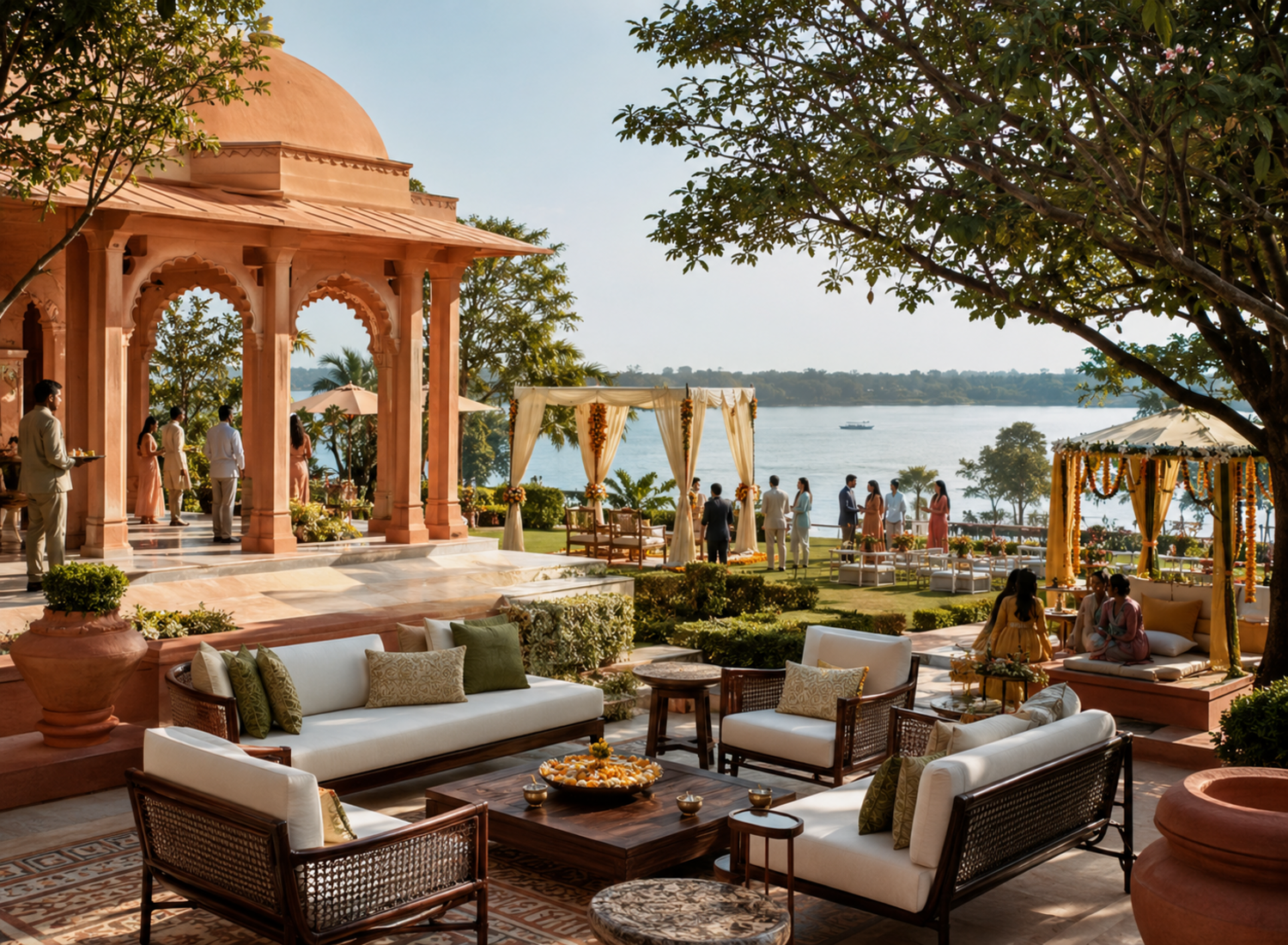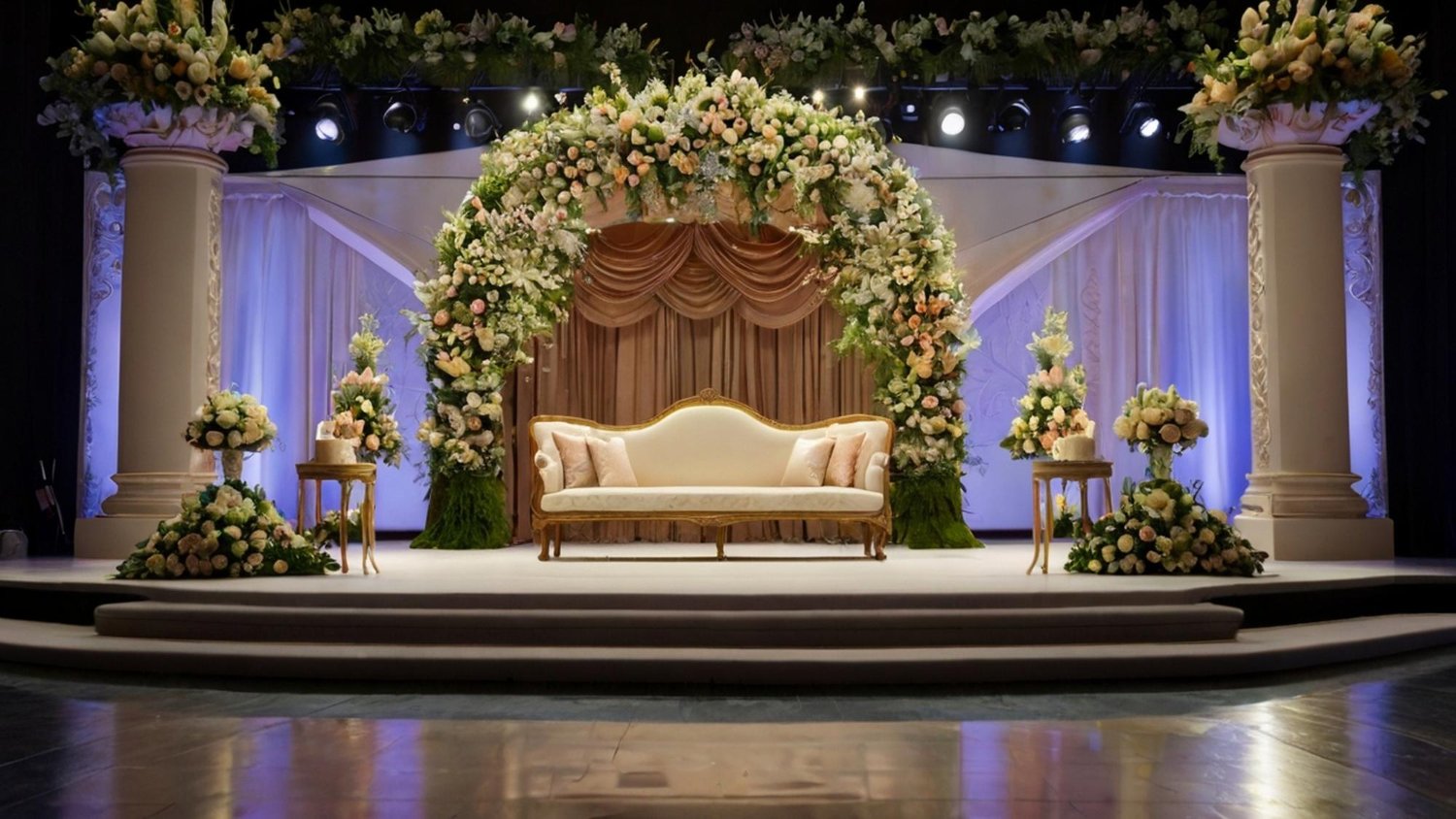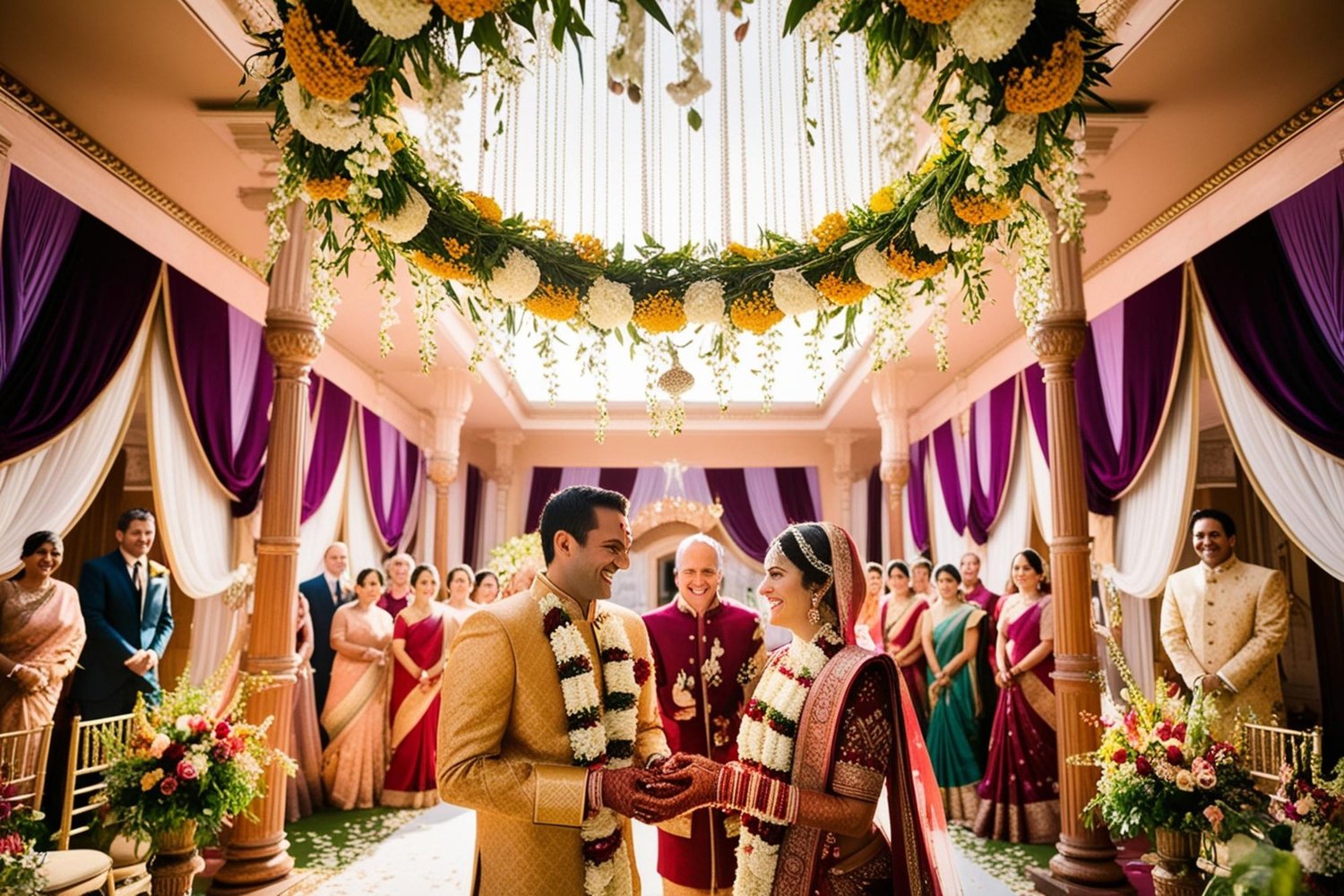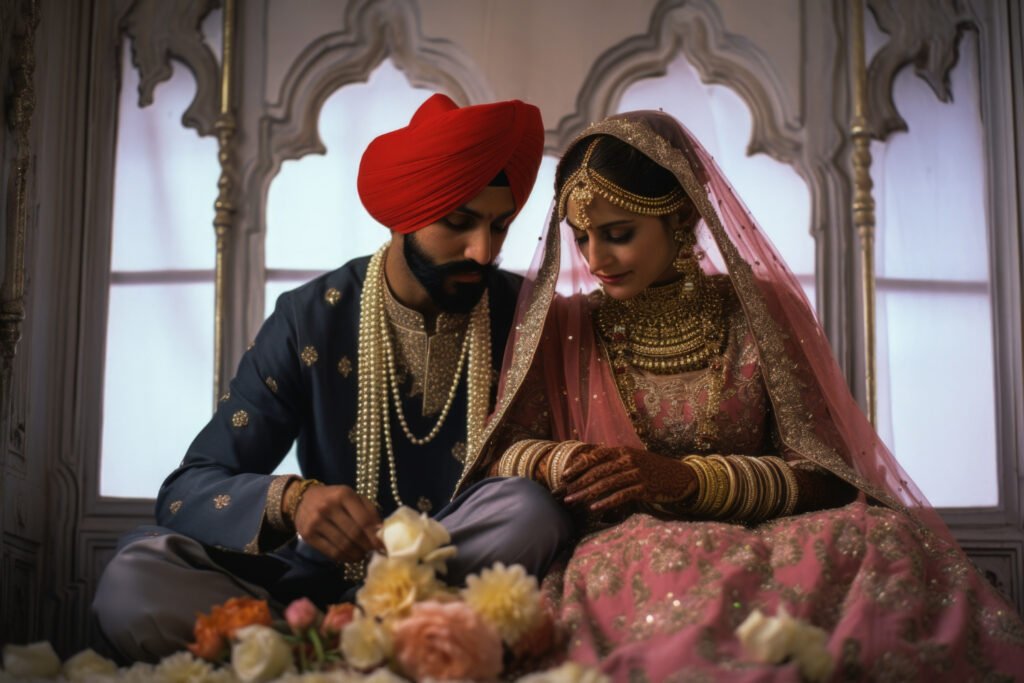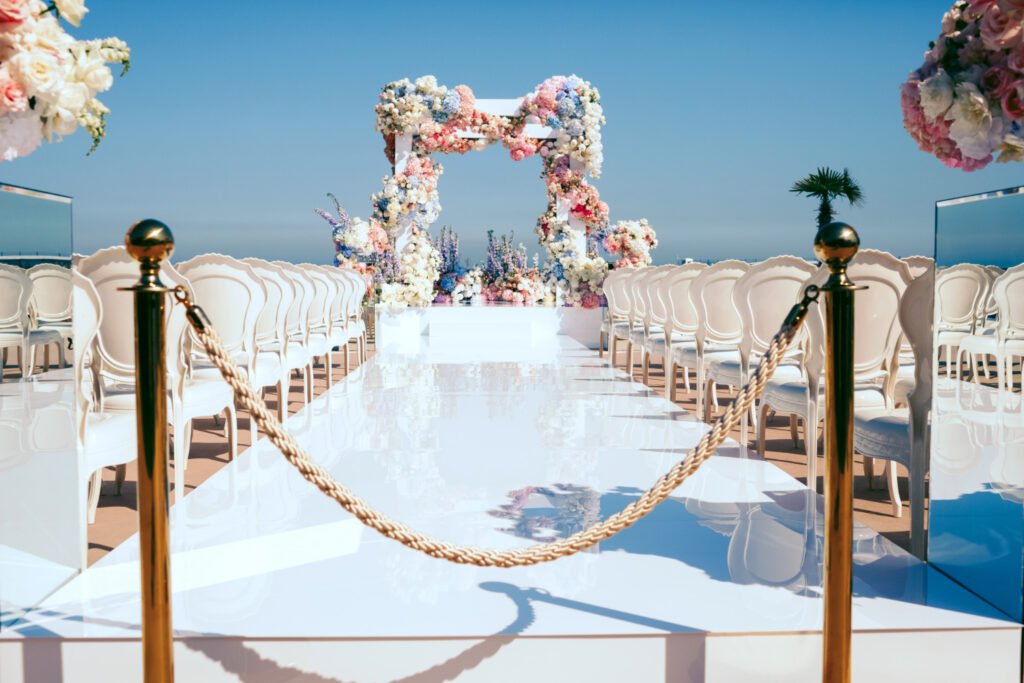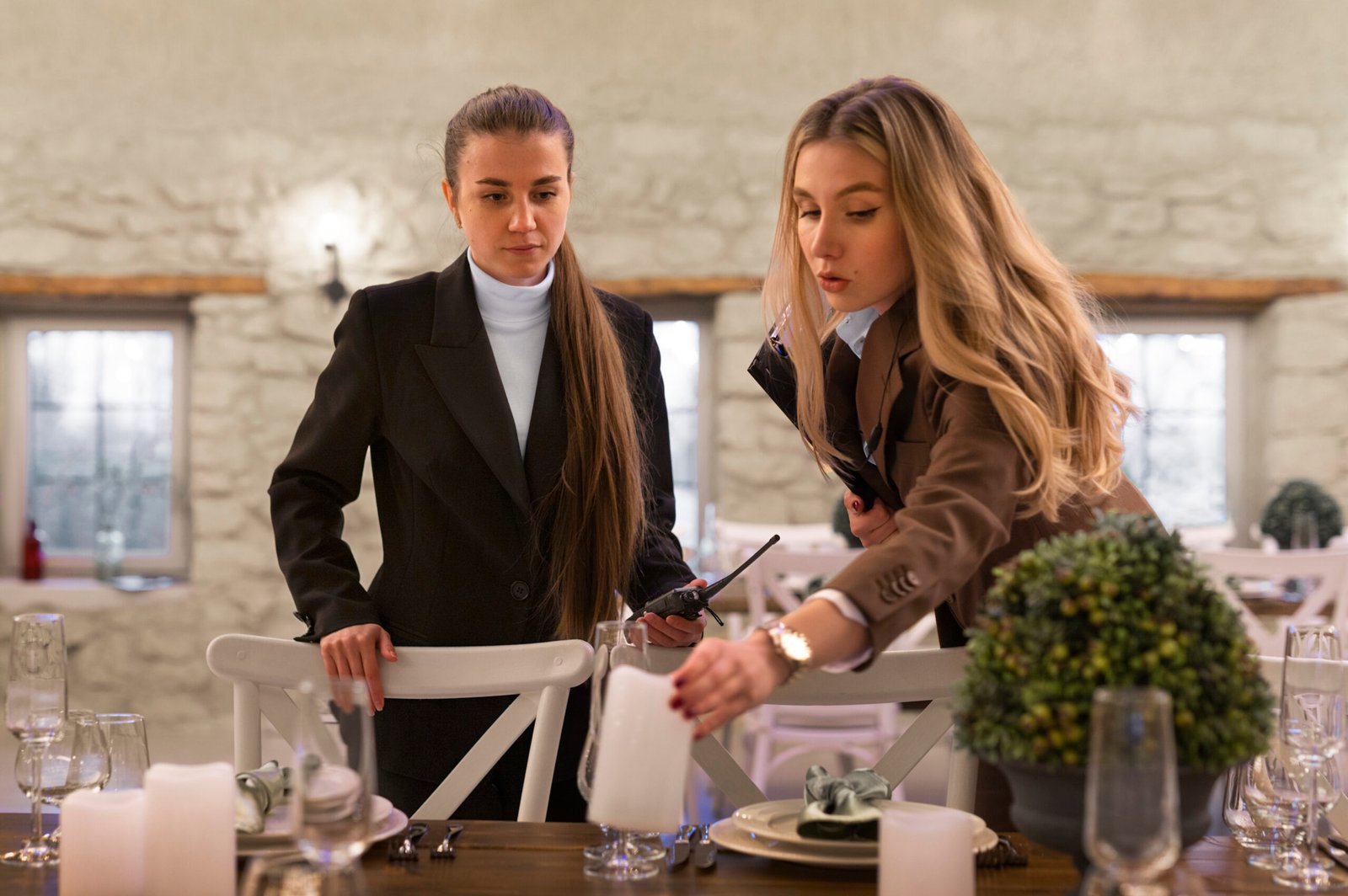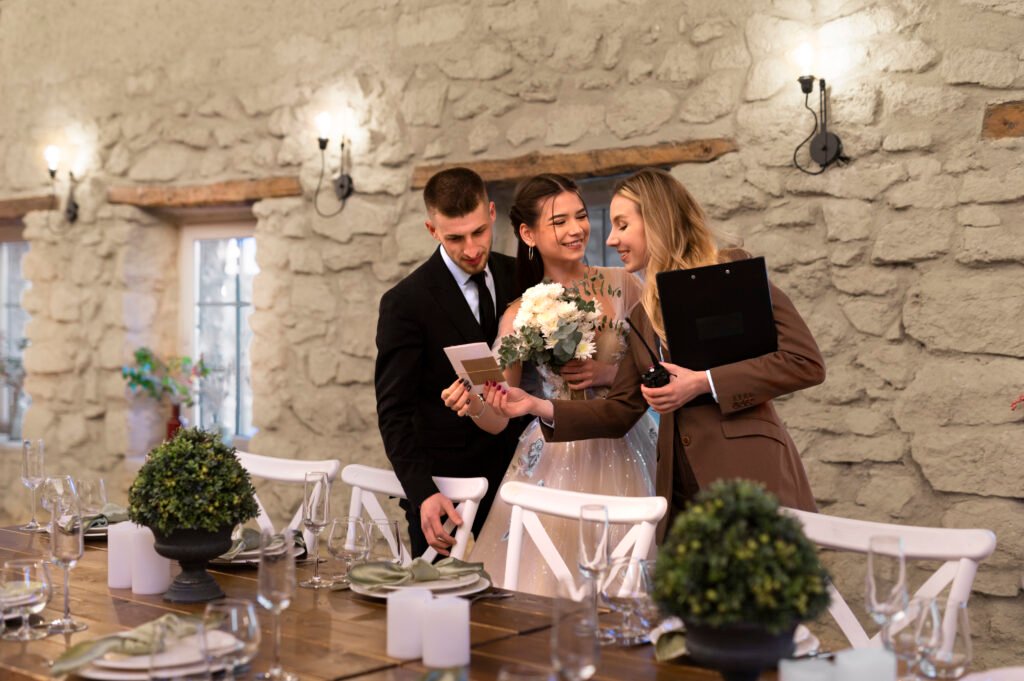
Before the Wedding Season Begins: How Professional Planners Prepare for the Busiest Months of the Year

For guests, wedding season begins when the invitations arrive. For a professional wedding planner, it starts months earlier.

Long before the first baraat, planners are already researching destinations, revisiting hotels, meeting décor and production partners, discovering new artists, building mood boards and preparing ideas for celebrations that have not even been briefed yet.

That preparation matters because peak wedding season leaves very little room to begin from scratch.

A strong planner enters the season with knowledge, references, relationships and systems already in place. When the right enquiry arrives, the work is not beginning—the groundwork has already been done.

Start with the Season, Not Just the Confirmed Weddings

Before working project by project, planners need a clear picture of the months ahead.

Which wedding dates are expected to be busiest? Which destinations are likely to see strong demand? Where is the internal team already committed? Which weekends could have multiple projects running simultaneously?

A master season calendar should map confirmed weddings as well as tentative projects, travel dates, presentation deadlines, venue recce schedules and important vendor availability.

This gives the planner one essential advantage: visibility.

During the peak Indian wedding season, several projects may be moving at different speeds at the same time. One family may still be deciding its destination while another is closing décor and a third is preparing for execution.

The season has to be planned before it becomes busy.

Build a Destination Bank Before the Client Asks

Destination knowledge is one of the strongest assets a wedding planner can build before the season begins.

A client may suddenly ask:

  • “Can we consider Udaipur instead of Jaipur?”
  • “What other properties can work around Goa?”
  • “Can we do something closer to Mumbai?”
  • “What would work for 250 rooms?”

That is not the moment to begin searching from zero.

Professional planners should continuously study destinations and maintain an updated venue and hotel database covering cities such as Jaipur, Udaipur, Goa, Jaisalmer, Jodhpur and other emerging wedding destinations.

For every property, useful information includes:

  • Room inventory and accommodation capacity
  • Indoor and outdoor event spaces
  • Approximate guest capacities
  • Airport and road connectivity
  • Weather considerations
  • Setup and dismantling restrictions
  • Sound and timing regulations
  • Backup spaces
  • Nearby hotels for overflow guests
  • Unique experiences available around the destination

A planner should also think beyond the obvious venue.

If the client chooses a particular destination, what can guests experience around it? Can there be a welcome dinner somewhere unexpected? A family brunch? A local cultural experience? A short post-wedding stay?

Destination planning becomes far stronger when a planner understands the place, not simply the hotel.


Refresh Your Décor Ideas Before the Season

One of the biggest mistakes planners can make is entering a new season with last season’s presentation library.

Clients today consume wedding content constantly. By the time they meet a planner, they may already have saved hundreds of references.

The planner therefore needs to arrive with something more considered.

Before wedding season begins, creative teams should spend time researching:

  • New décor concepts
  • Fresh colour stories
  • Floral directions
  • Stage and mandap formats
  • Ceiling treatments
  • Tablescapes
  • Entrance experiences
  • Lounge concepts
  • Lighting ideas
  • Materials and fabrication possibilities

This does not mean copying whatever is trending.

The objective is to understand what is changing and then develop ideas that can be adapted to different families, venues and budgets.

Build New Mood Boards and Presentation Banks

A good planner does not create every presentation from a blank page.

Before the season, teams can prepare a strong bank of mood boards, references and concept directions that can later be customised for the right client.

For example, the team may develop:

  • Contemporary Indian wedding aesthetics
  • Heritage destination concepts
  • Minimal luxury celebrations
  • Modern sangeet environments
  • Intimate mehendi directions
  • Cocktail and after-party moods
  • Outdoor pheras and mandap inspirations
  • Welcome dinner experiences

The important word is customised.

A mood board should become a starting point—not a recycled presentation given to every family.

Once the client brief is understood, the team should refine the colours, details, materials, entertainment and guest experience to reflect that particular wedding.

Pre-season preparation simply allows the creative process to move faster and more intelligently.

Update the Artist and Entertainment Bank

Wedding entertainment moves quickly.

An anchor who was relatively unknown last year may suddenly become highly sought-after. A new live act may enter the market. Regional performers may become relevant for destination weddings. New formats may emerge for welcome dinners, sangeets and after-parties.

Planners should therefore enter the season with an updated artist and entertainment database.

This can include:

  • Anchors
  • Singers and live bands
  • DJs
  • Choreographers
  • Dancers
  • Folk and regional performers
  • International acts
  • Instrumentalists
  • Ambient entertainment
  • Interactive guest experiences

It is equally important to understand what each artist requires.

What is the approximate commercial range? What technical rider is involved? How much rehearsal time is required? Does the act travel with a large team? Does it suit 100 guests or 1,000?

Knowing an artist’s name is not enough.

A professional planner should understand where that artist fits into a wedding experience.

Meet Décor, Production and Vendor Partners Before Everyone Gets Busy

Wedding season should not be the first time you speak to your vendors after months.

Pre-season is the right time to meet décor houses, production teams, caterers, photographers, entertainment agencies, transport partners and gifting vendors.

Ask what is new.

What new inventory has the production company acquired? What fabrication techniques is the décor team experimenting with? Which lighting products are available this season? Has the caterer developed a new service format? Which artists are now being represented?

These conversations build two things simultaneously: knowledge and relationships.

Sometimes a new creative direction for a wedding begins not on Pinterest but during a conversation with a vendor who shows you something they have recently developed.

Visit New Hotels and Revisit Familiar Ones

Venue knowledge should also be refreshed before the season.

A property you worked at last year may have renovated its ballroom, changed its policies or opened a new event space.

A new hotel may have entered the market entirely.

Planners should schedule property visits and recces even when there is no immediate wedding confirmed.

Look at the property as a professional:

  • Where do guests arrive?
  • How does luggage move?
  • Where can registration happen?
  • Which lawn works better at sunset?
  • Where can the baraat assemble?
  • How much setup time will décor receive?
  • Where will production enter from?
  • What happens if it rains?

These observations allow the planner to recommend a venue with confidence rather than simply repeating information from a brochure.

Prepare Different Ideas for Different Kinds of Weddings

Not every client arriving during wedding season will want the same scale of celebration.

A planner may receive one enquiry for an intimate 120-guest destination wedding and another for a 700-person multi-day celebration.

Pre-season ideation should therefore cover different formats.

Prepare ideas for:

  • Intimate weddings — personal detailing, curated dining, smaller entertainment formats and high-touch hospitality.
  • Large destination weddings — complex logistics, rooming, artist management, production and multiple venues.
  • Cross-cultural weddings — ceremonies, rituals, food and guest experiences that respectfully represent both families.
  • Modern city weddings — clever venue transformation, tighter timelines and strong production planning.

The better prepared the idea bank, the easier it becomes to respond thoughtfully when different kinds of clients arrive.

Prepare the Team, Not Just the Presentation

Creative preparation has to be supported by operational preparation.

Before the season begins, planners should decide who is handling client servicing, hospitality, décor, production, entertainment, logistics and vendor coordination.

Freelancers and additional execution teams should be identified before the peak dates.

The season should also begin with updated working formats:

  • Minutes of Meeting
  • Master wedding timelines
  • Vendor trackers
  • Guest and rooming sheets
  • Transport plans
  • Production checklists
  • Payment trackers
  • Responsibility charts

Beautiful ideas require disciplined systems behind them.

Plan the Guest Experience in Advance

One of the most important areas to revisit before wedding season is hospitality.

Guests remember whether their car arrived, whether their room was ready and whether someone was available when they needed help.

Planners should therefore review their RSVP processes, airport desks, transport systems, hospitality teams, rooming formats, welcome hampers and family-shadow structures.

Guest experience should be planned with the same seriousness as décor.

A stunning ballroom cannot compensate for an uncomfortable arrival.

Prepare for the Unexpected Before It Happens

Peak wedding season will always bring surprises.

Rain. Flight delays. Traffic. Vendor delays. Late ceremonies. Last-minute guest additions.

The objective is not to predict every problem.

It is to create enough backup systems that common problems do not become emergencies.

Strong planners already know their alternate indoor venue, backup transport resource, secondary production contact and escalation structure.

Preparation creates calm.

Wedding Season Is Won Before It Begins

The strongest planners do not wait for a brief to start learning.

They are studying hotels before a destination enquiry arrives. They are discovering artists before the sangeet conversation begins. They are creating mood boards before a client requests a presentation. They are meeting vendors before everyone’s calendars are full.

That is the difference between reacting to wedding season and being ready for it.

Peak season eventually tests execution, but much of that execution is determined by the work completed quietly in the months before.

Preparation Is Where Professionalism Begins

The strongest wedding season usually starts months before the first wedding date—with destination research, fresh ideas, vendor relationships, updated presentations, strong teams and better systems.

At The Wedding School, students are trained to look at wedding planning from this professional perspective. Through its Wedding Planning and Wedding Décor Design courses, TWS helps aspiring professionals develop the creative thinking and practical understanding required to prepare for, plan and execute real weddings.
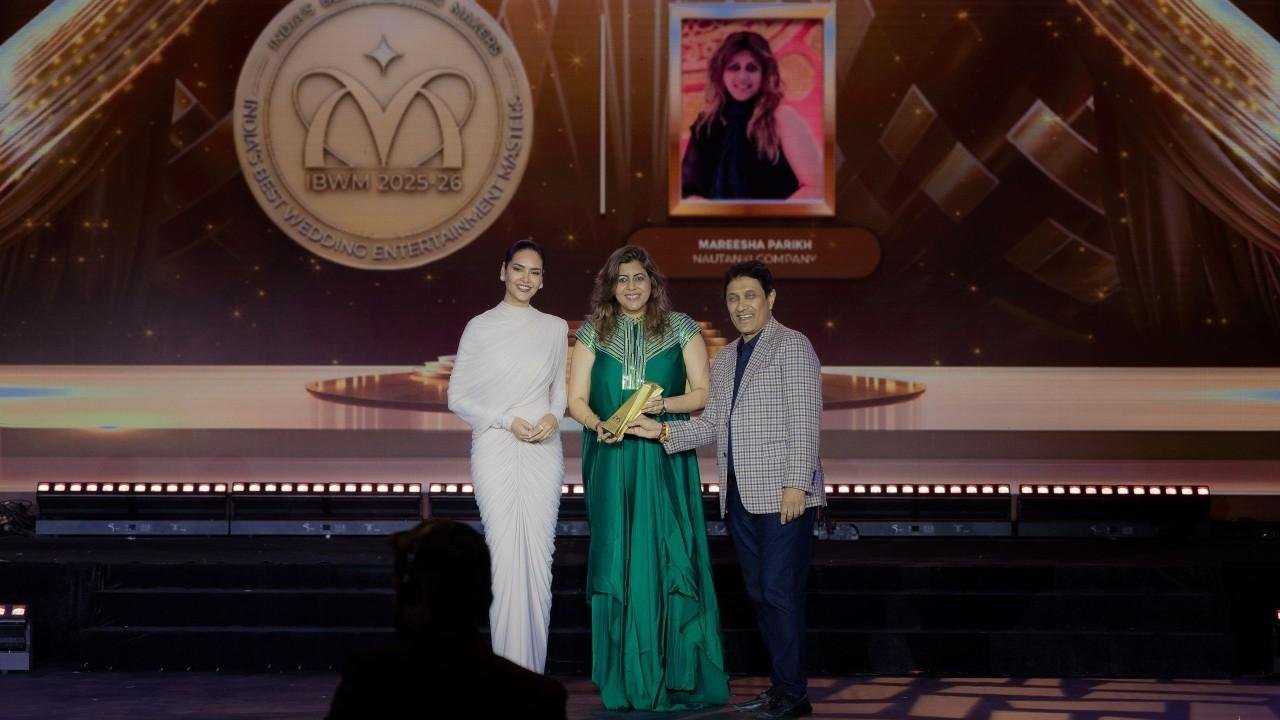
India’s Best Wedding Makers Conclave 2026: The Conversations Shaping India’s Luxury Wedding Industry

India’s wedding industry has always been admired for its scale, craftsmanship and ability to transform celebrations into extraordinary experiences. What is becoming equally significant, however, is the professional ecosystem working behind those celebrations.

That ecosystem came together at India’s Best Wedding Makers (IBWM) Conclave 2026, held on 29–30 August 2026 at the Jio World Convention Centre, Mumbai. The expanded two-day edition brought wedding professionals, entrepreneurs, hospitality leaders, designers, artists and creators together to discuss the business, creativity and future of India’s luxury wedding industry. The programme included industry conversations, networking experiences, showcases and the IBWM Honours.

For wedding planners, décor designers and professionals preparing to enter this industry, IBWM 2026 offered something valuable: a view of weddings beyond the finished photographs. It highlighted the relationships, specialist expertise and business thinking that make large-scale celebrations possible.

An Industry That Is Becoming More Connected

A modern Indian wedding can involve dozens of independent specialists.

There are planners, décor designers, hotels, caterers, production companies, entertainment teams, photographers, stylists, invitation designers, logistics partners, hospitality professionals and destination specialists—all working towards one celebration.

IBWM 2026 reflected this diversity. Conversations across the two-day conclave included hospitality, entertainment, fashion, design, food and beverage, photography and storytelling, while also looking at changing client expectations and the evolving definition of luxury.

Prateek Tandon, Co-Founder of India’s Best Wedding Makers, described the objective as bringing the wedding industry “together on one platform.”

For the professional wedding planner, that idea is especially relevant.

Planning a wedding is no longer about simply appointing individual vendors and managing a checklist. Every department affects another. Entertainment depends on production. Décor has to work with venue infrastructure. Hospitality depends on transport and rooming plans. Photography requires access, lighting and carefully managed timelines.

The planner increasingly becomes the point where all these disciplines meet.

The Meaning of Luxury Is Changing

One of the most important themes highlighted at IBWM 2026 was the changing definition of luxury.

Luxury weddings will, of course, continue to feature extraordinary venues, elaborate design and premium experiences. But scale alone no longer defines a sophisticated celebration.

Today, the details matter equally.

A beautifully planned guest arrival, thoughtful room amenities, a personalised menu, smooth transitions between functions or an entertainment experience designed specifically for the family can have as much impact as a monumental décor installation.

This reflects a wider shift within the luxury wedding industry in India. Clients increasingly expect celebrations to feel individual rather than formula-driven.

That changes the planner’s role.

Instead of asking only, “What can we add to make this wedding bigger?”, professionals increasingly have to ask, “What will make this wedding feel more personal?”

Understanding the couple, the family, the guest profile and the purpose of each celebration becomes essential.

That is where professional judgement becomes as valuable as creativity.

Experience Is Now Part of the Planning Language

IBWM 2026 also placed attention on the growing role of experiences and entertainment within weddings.

Entertainment today is rarely restricted to one performance during a sangeet.

It can influence how guests enter a venue, how a couple is introduced, how one function transitions into another and how the overall celebration is remembered.

Likewise, hospitality is no longer simply about arranging rooms and transport. It begins before the guest arrives and continues until the last departure.

Food has evolved from catering into curated dining experiences. Décor has moved beyond ornamentation towards spatial storytelling. Photography and content teams are expected to understand not only what happened, but how the couple wants the wedding remembered.

For an aspiring wedding planner or wedding décor designer, this interconnectedness is an important lesson.

Knowing your own area of expertise is necessary. Understanding how it fits into the larger wedding is what makes you valuable to the entire team.

The Wedding School at IBWM 2026: Bringing Industry Experience to the Conversation

The Wedding School was also represented at India’s Best Wedding Makers Conclave 2026, with its leadership participating in two industry discussions.

Mareesha Parikh, Co-Founder & CEO of The Wedding School, was a speaker at the Entertainment Table, while Hemant Kale, Director at The Wedding School, participated as a speaker at the Client’s Table.

Their presence at IBWM 2026 reflects The Wedding School’s continued connection with professional industry platforms that bring together voices from planning, design, entertainment, hospitality and the wider wedding ecosystem.

For students, such industry participation creates an important connection between professional education and the conversations taking place within India’s evolving wedding business.

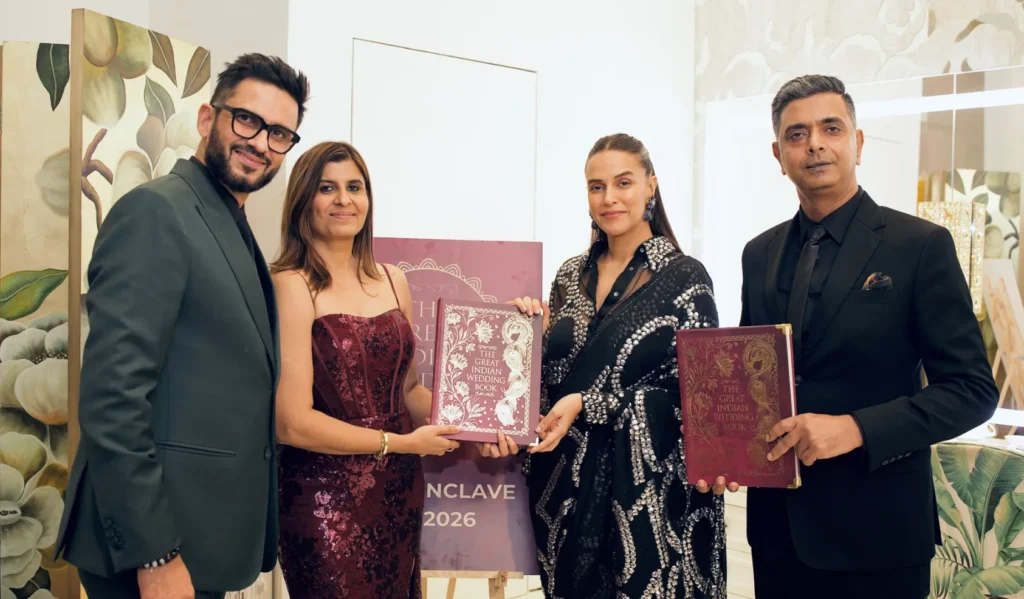
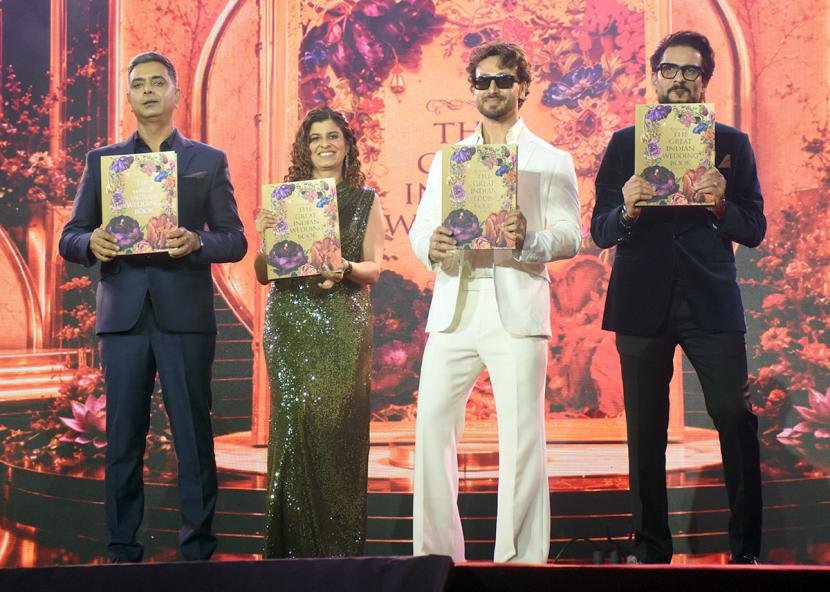
The Great Indian Wedding Book 6.0

Another important moment at IBWM 2026 was the unveiling of The Great Indian Wedding Book 6.0, the latest edition of the publication dedicated to luxury wedding trends, ideas, craftsmanship and professionals.

Actor Tiger Shroff joined the event for the unveiling, while Mouni Roy and Wamiqa Gabbi presented honours during the evening. The IBWM Honours were hosted by Amyra Dastur.

Atul Pandey, Publisher of The Great Indian Wedding Book, described the publication as being about “documenting Indian weddings at their very best.”

That statement carries particular relevance today.

Wedding media frequently celebrates the visible side of an event—the bridal look, décor, entertainment and venue. But behind each image is a large network of professionals responsible for translating an idea into reality.

Industry platforms such as IBWM help bring greater recognition to those businesses and specialists.

Recognising the People Behind the Weddings

The IBWM Honours 2026 recognised professionals and companies from across the wedding and celebrations ecosystem.

Among those named were Terence Lewis Contemporary Dance Company, Parthiv Gohil, Shantnu Nikhil, Rimple & Harpreet, JADE by Monica & Karishma, 7x Weddings, Wizcraft, Touchwood Group, Seven Steps Weddings – 70 EMG, Omung Kumar, Abhinav Bhagat Events, Ram Bherwani Weddings, Foodlink Luxury Catering, The Leela Palace Udaipur, Suryagarh Jaisalmer and Fairmont Mumbai, alongside several other wedding, hospitality, fashion and design names.

The range of honourees itself reflects how broad the wedding business has become.

A luxury wedding can bring together professionals from entertainment, fashion, hospitality, catering, design and experiential events. The planner’s job is to understand how these specialist worlds can work together while protecting the overall vision of the celebration.

That requires far more than creative instinct.

It requires communication, commercial awareness, negotiation, planning systems and the ability to lead multiple teams under pressure.

What Future Wedding Professionals Can Learn from IBWM 2026

Industry conclaves are valuable not because they provide one formula for the future, but because they reveal what experienced professionals are paying attention to.

For emerging wedding planners, several lessons stand out.

Understand the complete wedding ecosystem. A planner does not have to become an expert in every department, but must understand enough about hospitality, production, décor, entertainment and logistics to make informed decisions.

Build genuine professional relationships. The Indian wedding industry remains deeply relationship-driven. Strong relationships with venues, hotels and vendors can improve communication, problem-solving and execution.

Learn the business behind the celebration. Beautiful ideas need budgets, timelines, contracts, teams and processes. Creativity without commercial understanding is difficult to sustain professionally.

Stay close to changing client expectations. What couples wanted five years ago may not be what families expect today. Successful planners continue observing how guest behaviour, hospitality standards and the meaning of luxury are changing.

Never stop learning from the industry. Destinations evolve. New hotels open. Production possibilities change. Entertainment formats shift and new professionals enter the market.

The professionals who remain relevant are usually the ones who remain curious.

Why Platforms Like IBWM Matter

IBWM 2026 demonstrated that India’s wedding industry is increasingly being recognised as a serious creative and commercial ecosystem rather than simply a collection of event vendors.

Its expanded two-day format was designed to move beyond traditional networking towards deeper conversations, collaboration and ideas around the future of luxury weddings.

For aspiring professionals, that evolution matters.

The industry needs people who can balance creativity with organisation, client relationships with commercial realities and ambitious ideas with disciplined execution.

The wedding itself may last a few days.

The professional thinking behind it takes years to develop.


From Industry Conversations to Industry Education

Based in Mumbai and connected with learners across India through live online and hybrid learning, The Wedding School offers professional Wedding Planning and Wedding Décor Design courses for aspiring planners, working professionals, entrepreneurs and those already associated with the events industry.

Through industry-led learning, students gain exposure to wedding planning processes, client management, hospitality, décor, entertainment, budgeting, production, vendor coordination and on-ground execution.

For anyone exploring a wedding planning course in India, an online wedding planning course, a wedding planning course in Mumbai or professional wedding décor design education, The Wedding School connects structured learning with the realities of the working wedding industry.

Taj Ganga Kutir Resort & Spa, Raichak: A New Destination Wedding Venue Near Kolkata

Introduction

The search for a memorable destination wedding venue near Kolkata is no longer limited to city hotels or distant palaces. Couples are increasingly looking for properties that feel like a getaway while remaining accessible to their families and guests. A riverside location, comfortable accommodation, flexible event spaces and reliable hospitality can transform a wedding from a series of functions into a complete destination experience.

Taj Ganga Kutir Resort & Spa, Raichak, brings these qualities together on the banks of the Ganges in West Bengal. Opened under the Taj brand in September 2025, the resort is positioned as a riverine retreat that celebrates Bengal’s countryside, architecture and hospitality. Set within a 100-acre estate, it offers 155 rooms and suites and more than 70,000 sq. ft. of banqueting and event space.

For couples, the property presents an escape from the pace of Kolkata. For wedding planners, it offers something equally valuable: the ability to accommodate guests and create multiple celebrations within one destination.

A Riverside Setting Within Reach of Kolkata

Raichak is approximately a two-and-a-half-hour scenic drive from Kolkata, according to IHCL. This distance allows the celebration to feel like a destination wedding without necessarily requiring flights for guests travelling from the city.

The Ganges shapes the atmosphere of the property. River-facing rooms, lawns and event areas allow planners to work with changing natural light, open skies and waterfront views. Morning ceremonies can benefit from softer light, while evening functions can use the river and sunset as part of the visual narrative.

However, accessibility must still be planned carefully. Guest arrivals should be staggered, transportation should include adequate buffers, and elderly guests may require more comfortable vehicles or planned rest stops. Wedding planners should also verify road conditions, journey times and alternative transfer arrangements close to the event date.

Accommodation for a Multi-Day Wedding

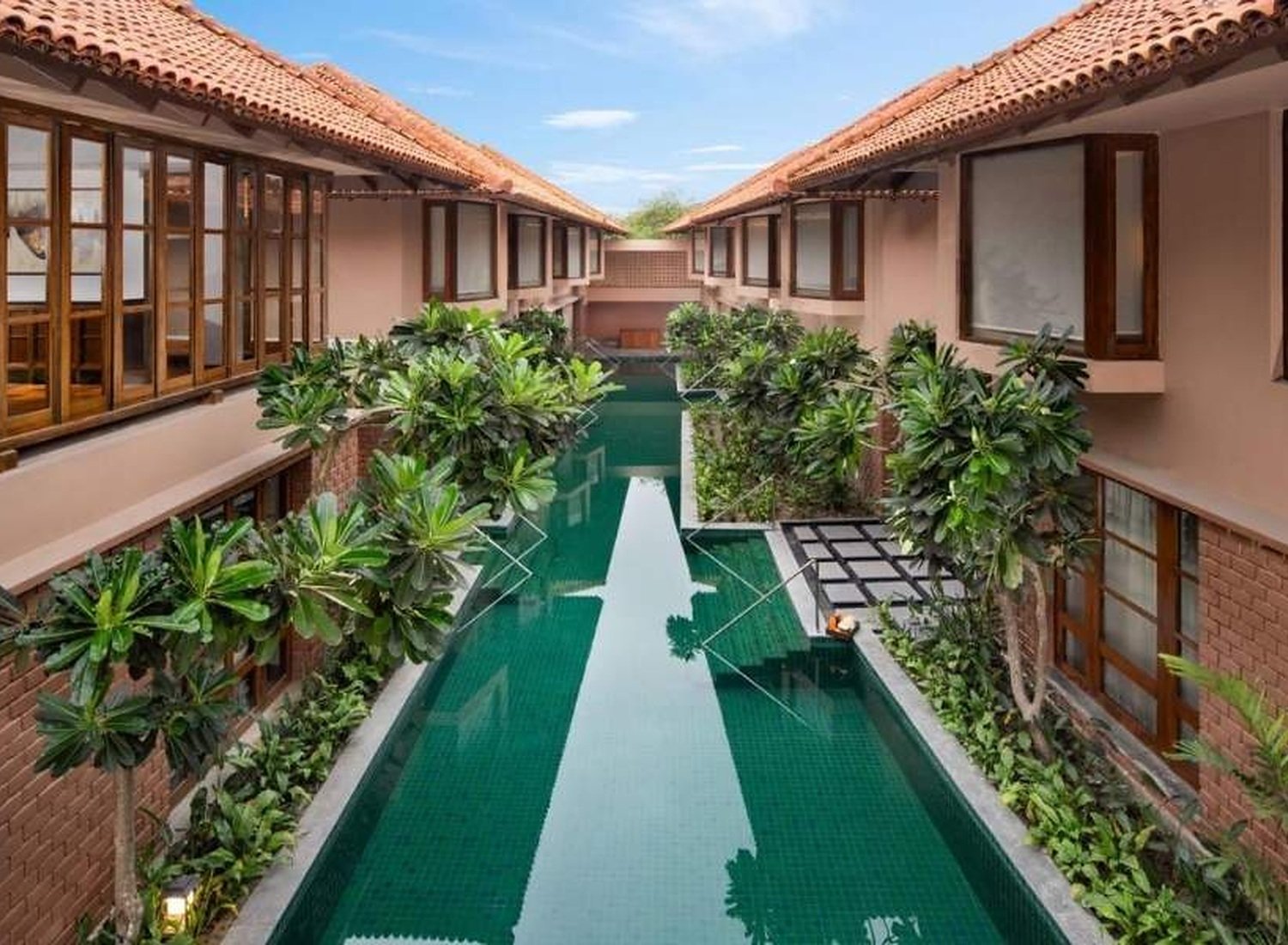
Taj Ganga Kutir Resort & Spa has 155 rooms and suites. The accommodation includes river-facing rooms, suites with separate living areas and duplex options, including lagoon- and Jacuzzi-oriented categories. This range can help planners create a thoughtful room allocation strategy for couples, immediate family members, elderly guests and larger groups.

Accommodation within the wedding property reduces repeated transfers between hotels and venues. It also makes it easier to coordinate welcome amenities, hospitality desks, room drops, function reminders and emergency support.

A rooming plan must account for room categories, accessibility requirements, family groupings, arrival times and bridal preparation rooms rather than focusing only on the total inventory.

For guests staying between functions, the resort offers leisure facilities such as swimming pools, including an infinity-edge pool, J Wellness Circle spa, a fitness centre, indoor games and outdoor activities. These facilities can help turn gaps in the wedding itinerary into relaxed guest experiences.

Event Spaces for Different Wedding Functions

The property’s major advantage is the variety of indoor and outdoor event spaces. This gives wedding planners the flexibility to give every function a different identity without moving guests to another hotel.

The Royal Pavilion and North Lawns offer a combined grand setting for weddings and large gatherings. The Royal Pavilion measures approximately 700 sq. m and can accommodate up to 600 guests in a reception-style layout.

The Citadel and Citadel Lawn provide a more intimate option, with the indoor space measuring approximately 336 sq. m. The venue can accommodate up to 280 guests depending on the seating arrangement, making it suitable for a mehendi, welcome dinner, family gathering or smaller wedding ceremony.

The South Lawn is the property’s largest outdoor celebration space. Overlooking the Ganges and measuring approximately 4,460 sq. m, it is listed for receptions of up to 3,000 guests. Its scale creates possibilities for a large sangeet, wedding ceremony or reception, subject to production requirements and hotel permissions.

Smaller spaces such as Frangipani and Hooghly can support family briefings, artist coordination or intimate gatherings. Destination weddings require operational spaces in addition to guest-facing venues.

Capacities vary according to seating style, décor, stage size, buffet layout and technical production. Planners should therefore treat published capacities as a starting point and obtain an approved event layout before confirming the guest count.

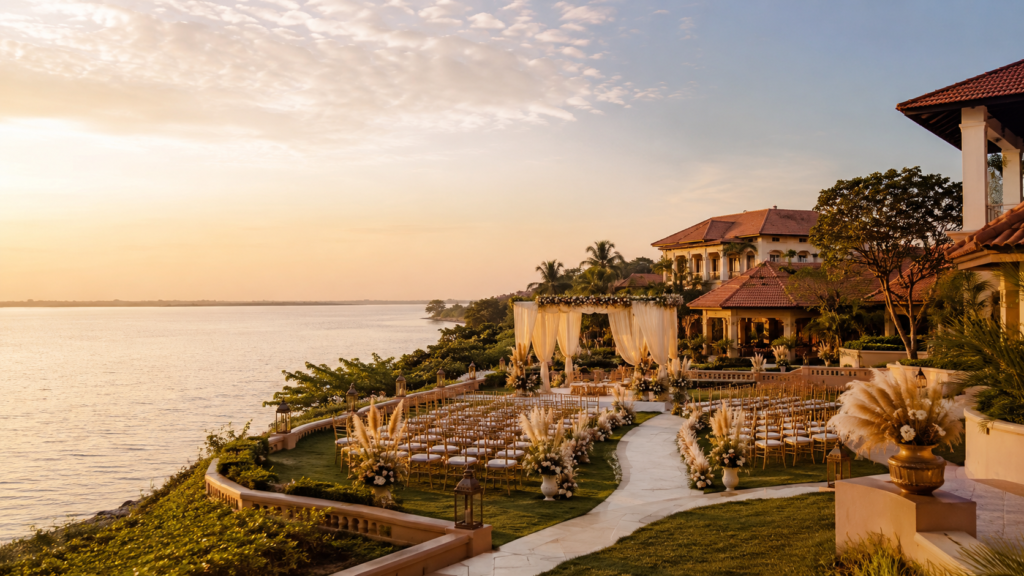
Image caption: Representational visual showing guest hospitality and multi-function wedding possibilities at a riverside resort. This is not an actual photograph of the property.

Creating a Function-Wise Wedding Experience

A destination wedding at Taj Ganga Kutir can be designed as a journey rather than a collection of unrelated functions. The river and Bengal-inspired aesthetics provide a common sense of place while allowing each celebration to have its own mood.

A welcome evening could introduce guests to Bengal through local music and regional food. A daytime mehendi may use handcrafted details and lighter décor, while the sangeet can shift into a theatrical environment with controlled lighting and a planned performance stage. The wedding ceremony can return to the landscape with a mandap that frames rather than obstructs the river view.

The strongest décor concepts would respond to the property instead of covering it. Terracotta, handwoven textiles, cane, foliage and Bengal-inspired craft can create a locally rooted design language. Décor teams must still account for wind, moisture, ground conditions and weather protection.

Food, Wellness and Guest Engagement

Taj Ganga Kutir’s signature restaurants include Machan and House of Ming, while the River View Lounge and Verandah Lounge offer relaxed settings. Wedding menus should be developed with the culinary team according to the couple’s preferences, guest profile and function format.

IHCL highlights private boat rides, riverside yoga, cultural performances, village trails and sunset dining among the experiences associated with the resort. Subject to availability, planners can consider them for smaller groups or extended itineraries.

These additions should remain optional and well paced. A destination wedding itinerary becomes tiring when every hour is programmed. The best guest experience balances celebrations with adequate time to rest, explore the property and enjoy the location.

Practical Considerations for Wedding Planners

Before recommending the venue, planners should conduct a detailed site visit covering guest movement, vehicle access, room blocks, backstage areas, vendor routes, sound restrictions and weather alternatives.

Outdoor events require a clearly documented backup venue or weather plan. The team should also confirm electrical loads, generator support, rigging permissions, fire and safety requirements, music deadlines and restrictions on décor installation.

Planners must understand which areas remain accessible to other hotel guests. Exclusivity and common-area usage should be discussed in writing, while minimum guarantees, taxes, cancellation clauses, room attrition and vendor policies must be reviewed before signing.

A Promising Wedding Destination in West Bengal

Taj Ganga Kutir Resort & Spa offers a compelling combination of scale, accommodation, flexible event venues and a distinctive riverside setting. Its proximity to Kolkata makes it particularly relevant for families seeking a destination experience without travelling to a faraway state or country.

The property can support celebrations ranging from intimate family gatherings to large receptions. Yet its successful use depends on more than its visual appeal. A wedding planner must evaluate logistics, guest comfort, weather, venue capacities, production feasibility and commercial terms before shaping the final experience.

Learning how to assess a venue is an essential part of professional wedding planning. Through expert-led sessions, practical assignments and industry exposure, The Wedding School helps students understand how hotels and resorts are evaluated, contracted and transformed into well-managed wedding destinations. For aspiring planners and décor professionals, such knowledge creates the confidence to recommend the right property and turn its potential into an unforgettable celebration.

Sources for Fact-Checking

  • Indian Hotels Company Limited: Taj Ganga Kutir Resort & Spa opening announcement
  • Taj Hotels: Taj Ganga Kutir Resort & Spa event spaces
  • Taj Hotels: Accommodation, amenities and property experiences

Why Every Modern Wedding Decor Designer Needs AutoCAD Skills

Designing Beautiful Weddings Starts Long Before the Decor Arrives

A wedding doesn’t start with flowers, or lighting, or a venue dressed to the nines. It starts with an idea, usually a rough one, usually in someone’s head before it’s anywhere else. 

For years, wedding décor designers got by on sketches, mood boards, reference images, and instinct built from doing this over and over. Creativity is still the heart of it. But today’s weddings ask for more than instinct alone can deliver, clients want detailed presentations, vendors need precise layouts, and everything has to line up across multiple events and often massive venues. 

That’s where technology has started changing things. 

As destination weddings, luxury celebrations, and personalised décor get more ambitious, more designers are turning to digital tools to work out every detail before setup even begins. One tool doing a lot of that work is AutoCAD, making AutoCAD for Wedding Decor Designers an increasingly valuable skill. 

It’s usually associated with architects and interior designers, but AutoCAD has quietly worked its way into wedding décor planning too. It lets designers visualise a space, build accurate layouts, and get an idea across far better than a sketch on a napkin ever could. Today, it’s one of the most trusted Wedding Decor Design Software solutions used by creative professionals. 

If you’re building a career in wedding décor, learning AutoCAD isn’t about trading in your creativity. It’s about giving that creativity somewhere solid to stand. That’s exactly why AutoCAD for Wedding Decor Designers is becoming an industry essential.

What Exactly Is AutoCAD?

AutoCAD is computer-aided design software used to build detailed 2D and 3D drawings. It’s a staple in architecture, engineering, and interior design, and it’s becoming just as useful in weddings. 

Picture an elaborate wedding inside a luxury resort. Before a single flower gets ordered or a stage goes up, someone has to know exactly where everything sits. How big should the mandap be? Will guests actually have room to move through their seating? Do the lighting

structures block anyone’s view? Where do the entertainment setups, the dining areas, the photo booths go? 

Rough estimates don’t really cut it here. AutoCAD lets designers answer these questions with actual precision instead of a best guess using detailed AutoCAD Wedding Layouts. 

Every measurement, every layout, every design element gets planned out digitally — so both the client and the vendors know what they’re getting long before the wedding day shows up. That’s the real value of AutoCAD for Wedding Decor Designers. 

Why Traditional Wedding Decor Planning Isn't Always Enough

Wedding décor has always leaned on sketches, venue visits, inspiration boards, and years of hard-won experience. Talented designers have pulled off incredible weddings this way for a long time. But as celebrations have gotten bigger and more complicated, that process has started showing its limits. 

A sketch that looks perfectly clear to the designer can leave a client picturing something entirely different. Vendors read the same layout in different ways. Even a small measurement error can throw off stage placement, guest seating, or a decorative installation. 

Then the changes start coming, because they always do. 

The guest list grows. 

The couple wants a bigger dance floor. 

The stage has to shift because the venue won’t allow it where it was. 

Without digital tools, even a small revision can mean redrawing the whole layout from scratch. And as weddings get more elaborate, that kind of manual redo slows everything down and opens the door to mistakes. 

AutoCAD’s biggest strength is accuracy, plain and simple. 

Instead of guessing whether a décor piece will actually fit, designers work off exact venue dimensions. Stages, floral structures, seating layouts, lighting rigs, lounge areas, walkways — all of it gets planned before anyone starts building. This level of Event Design Planning is one of the biggest advantages of AutoCAD for Wedding Decor Designers.

That precision isn’t just easier on the designer. It changes the experience for everyone in the room. 

Clients get a clearer picture of the space. Vendors get real layouts instead of rough sketches. Production teams know exactly what they’re building, and planners can run multiple teams at once without everyone stepping on each other. 

Revisions get simpler too. If a client changes their mind about seating, or wants to add another installation, the designer updates the layout on screen instead of tearing up the drawing and starting over. 

What that adds up to: faster approvals, smoother coordination, fewer surprises the morning of setup.

More Than a Design Tool

AutoCAD’s real value isn’t the pretty drawings. It’s what those drawings do for communication. 

Wedding décor pulls in florists, lighting technicians, production teams, furniture suppliers, venue managers, planners, and the clients themselves. Everyone needs to be looking at the same plan, not five different versions of it in their heads. 

AutoCAD gives them that shared reference point and improves Wedding Venue Design from concept to execution. 

Instead of explaining the same idea five times to five different people, designers can hand over layouts that show measurements, placements, and spacing clearly. Fewer misunderstandings, better collaboration, and a much better shot at the final setup actually matching what was approved. That’s another reason AutoCAD for Wedding Decor Designers continues to gain importance. 

It also just reads as more professional to clients — especially the ones paying for luxury weddings, where the bar for “impressive” starts pretty high already. 

A Skill That Gives Designers an Edge

The wedding industry keeps moving, and client expectations move right along with it. 

Couples today want personalised experiences, execution that doesn’t wobble, and real confidence in the decisions they’re making. They want to see the wedding before it exists, not just imagine it from a mood board. 

For a décor designer, that means creativity alone isn’t the whole job anymore. It has to pair with technical skill.

Learning AutoCAD doesn’t make anyone less creative. If anything, it lets the creative ideas get presented more clearly, planned more precisely, and pulled off with a lot less scrambling. 

As weddings keep getting bigger, more customised, and more design-driven, the designers who can do both — the aesthetics and the technical side — are the ones who’ll stand out. That’s why AutoCAD for Wedding Decor Designers has become a skill worth investing in. 

If you’re serious about a career in wedding décor, AutoCAD isn’t some nice-to-have skill anymore. It’s turning into one of the most valuable ones in the industry. Mastering AutoCAD for Wedding Decor Designers can help you stay ahead in a rapidly evolving wedding industry. 

At The Wedding School, students learn tools like AutoCAD alongside hands-on wedding décor training, mentorship from people already working in the field, and real event exposure — the kind of foundation that makes designing celebrations people actually remember a lot less of a guessing game.

The Wedding Industry Is Booming in 2026. Here’s How to Get In

Introduction

The wedding industry has always been one of the more exciting sectors to work in, but 2026 feels like a genuine shift. If you’re considering a Wedding Industry Career 2026, there’s never been a better time to explore the possibilities. Weddings today aren’t limited to grand venues and traditional ceremonies anymore — couples want experiences that reflect their personalities, cultures, and their own story, and that’s created real demand for people who can bring those visions to life. 

From intimate destination celebrations to multi-day luxury weddings, the industry keeps expanding. Families are prioritising memorable experiences over just checking boxes, social media has raised the bar on wedding aesthetics, and new trends keep reshaping how celebrations actually get planned. 

For aspiring entrepreneurs and creative professionals, this is a real opportunity to build something in one of the fastest-moving lifestyle industries around. Whether your interest is planning, design, photography, hospitality, or styling, there’s rarely been a better time to get into the wedding business and build a successful Wedding Planning Career. For anyone looking at a Wedding Industry Career 2026, the opportunities are broader than ever before.

Why the Wedding Industry Is Growing So Fast

India hosts millions of weddings every year — that alone makes it one of the largest wedding markets in the world. In 2026, the industry keeps growing on the back of changing consumer preferences and rising disposable incomes. 

Modern couples want more than a traditional ceremony. Customised décor, curated guest experiences, destination venues, entertainment, themed functions, content built specifically for social media — every one of those elements creates exciting Wedding Business Opportunities for professionals with specialised skills. 

Technology has changed the planning process too. Digital invitations, wedding websites, AI-assisted planning tools, virtual consultations, social media marketing — none of this was standard even a few years ago, and now it’s just how weddings get planned. As expectations grow, so does the need for people who understand both creativity and execution. 

The result is an industry with opportunities at every stage of the wedding journey, making a Wedding Industry Career 2026 one of the most promising choices for creative professionals.

Career Opportunities Beyond Wedding Planning

Ask most people what a career in weddings looks like, and they’ll picture a planner. Fair enough — planning is still one of the most sought-after paths. But the ecosystem goes well beyond event coordination and offers a wide range of Wedding Industry Jobs.

Some of the most in-demand wedding careers in 2026: 

Wedding Planner Wedding planners handle everything from budgeting and vendor coordination to timelines and guest management. They keep the event running smoothly while trying to make it stress-free for the couple. It remains one of the most rewarding paths for anyone pursuing a 

Wedding Decorator and Designer – Design professionals shape the look of the venue — florals, stage concepts, lighting, furniture, thematic styling. Creativity and attention to detail matter a lot here. 

Wedding Photographer and Filmmaker – Couples care more than ever about how their wedding gets told as a story, so photography and cinematography remain some of the most valuable wedding services going. People who understand candid moments, cinematic films, and content creation are seeing more demand than ever. 

Bridal Makeup Artist and Stylist – Personalised beauty services are now a core part of weddings. Makeup artists, hairstylists, and personal stylists often work across multiple events during a single wedding week. 

Venue Consultant –Choosing the right venue is one of the biggest decisions a couple makes. Venue consultants help clients shortlist locations based on budget, guest count, style, and logistics. 

Wedding Stationery and Invitation Designer –Digital and luxury printed invitations keep evolving — creative illustrations, animation, interactive websites, personalised branding for weddings.  Together, these roles make up an industry that welcomes people from creative, business, hospitality, and design backgrounds. Whether you choose to specialise or diversify, today’s Wedding Industry Jobs offer long-term growth and creative satisfaction.

Skills That Make You Stand Out

Creativity gets you noticed. It’s not what keeps you employed. Success in the wedding industry is a mix of technical knowledge, people management, and problem-solving.
Some of the most valuable skills:

● Strong communication and interpersonal skills
● Event planning and time management
● Budget planning and financial understanding
● Creative design and visual storytelling
● Vendor negotiation and coordination
● Client relationship management
● Crisis management and quick decision-making

Wedding professionals often work under tight deadlines while managing multiple stakeholders at once. Staying calm under pressure can matter just as much as artistic talent. Developing these abilities will strengthen your Wedding Planning Career and prepare you for a successful future in the industry.

How to Start Your Career in the Wedding Industry

Breaking into a Wedding Planning Career is easier now thanks to structured education and professional training.

Learn the Fundamentals

A professional certification or specialised wedding management course gives you a solid grounding in event planning, logistics, hospitality, budgeting, décor, production, and client servicing. Formal education also helps you understand industry standards and best practices.

Gain Practical Experience

Classroom learning should always be backed up by hands-on experience. Internships with wedding planners, event companies, luxury hotels, or décor firms give you real exposure to real events — the kind you can’t really get from a textbook.

Working behind the scenes is where it actually clicks: timelines, vendor coordination, client expectations, how events come together when fifty things are happening at once.

Build Your Professional Network

The wedding industry runs on relationships more than almost anything else. Attending industry events, exhibitions, workshops, and networking sessions lets aspiring professionals connect with planners, photographers, designers, venues, and suppliers.

These connections often lead to internships, collaborations, referrals, and long-term business opportunities. Combined with practical learning, they can help you build a successful Wedding Industry Career 2026.

FAQ:

1. Is the wedding industry growing in 2026?
Yes, and it’s not slowing down either. Couples are putting more money into personalised experiences, destination weddings, and premium celebrations than they used to.

2. How can I start a career in the wedding industry?
A professional wedding management course is a solid starting point. From there, internships give you the real-world experience, and building a network within the industry is what actually keeps the opportunities coming.

3. What are the highest paying wedding industry jobs?
Wedding planner, decorator, photographer, filmmaker, luxury venue consultant, bridal stylist, these tend to be where the money is, especially once you’ve built a name for yourself.

4. Do I need a certification to become a wedding planner?
Not strictly, no. But it helps you pick up industry knowledge faster, get practical skills sooner, and it tends to open more doors early on.

5. How much investment is needed to start a wedding business?
Depends entirely on what kind of business you’re starting. A lot of professionals begin small and grow gradually, building their portfolio and client base as they go rather than spending big upfront.

6. Which wedding services are in the highest demand?
Planning, décor, photography, videography, bridal makeup, destination wedding management, and content creation are all seeing strong demand right now.

7 Wedding Trends Taking Over Luxury Celebrations in 2026

Luxury Weddings Are Being Redefined in 2026

Luxury weddings have always run on elegance, exclusivity, unforgettable moments. That hasn’t changed in 2026. What’s changed is what “unforgettable” actually means to couples now — it’s less about the grandest venue in the city, more about whether the wedding actually feels like them. Their personalities, their values, their story. These evolving expectations are shaping the biggest Luxury Wedding Trends 2026. 

Curated guest experiences, immersive entertainment, sustainable choices, technology that works quietly in the background instead of getting in the way — that’s the new checklist. Every detail, from the invitation to the farewell brunch, gets planned on purpose now, not left to tradition. 

Whether you’re planning your own wedding or building a career in the industry, it helps to know where things are actually headed rather than where they used to be. 

Here are seven Luxury Wedding Trends 2026 worth paying attention to. 1.

Immersive Guest Experiences Are the New Standard

The couple used to be the whole point. Now the guests are too. 

Instead of “ceremony, then reception,” couples are building entire weekends guests can move through. Welcome hampers with locally sourced gifts. Personalised itineraries. Wellness sessions before brunch. Live food stations instead of a buffet line. Cultural experiences built around where the wedding is actually happening. 

Guests no longer want to simply watch. They want to be involved, making these Modern Wedding Experiences more memorable than ever. 

Which means planners can’t just think logistics anymore — who’s sitting where, what time the car leaves. They have to think about how it feels to walk into that venue for the first time.

1.Immersive Guest Experiences Are the New Standard The couple used to be the whole point. Now the guests are too. 

Instead of “ceremony, then reception,” couples are building entire weekends guests can move through. Welcome hampers with locally sourced gifts. Personalised itineraries. Wellness sessions before brunch. Live food stations instead of a buffet line. Cultural experiences built around where the wedding is actually happening. 

Guests no longer want to simply watch. They want to be involved, making these Modern Wedding Experiences more memorable than ever. 

Which means planners can’t just think logistics anymore — who’s sitting where, what time the car leaves. They have to think about how it feels to walk into that venue for the first time.

2. Sustainability Meets Luxury 

For a long time, “sustainable” and “luxury” sounded like opposites. That’s no longer the case. In fact, it’s become one of the defining Luxury Wedding Trends 2026.

Locally sourced flowers instead of flown-in ones. Décor that gets reused instead of binned the next morning. Menus built around what’s actually in season. Digital invitations. Gifting that doesn’t end up forgotten in a drawer. Venues that take environmental responsibility seriously instead of just claiming to. 

None of this is couples settling for less — if anything, these choices tend to feel more intentional, more personal, less like money was just thrown at the problem. 

Increasingly, luxury is measured less by how much was spent and more by how thoughtfully it was put together. Wedding professionals who understand sustainable planning are only going to get asked for it more.

3.Personalisation Is Taking Centre Stage 

No two weddings look the same anymore, and honestly, that’s exactly the point. 

Couples don’t want a template with their names swapped in. They want branding that’s theirs, colour palettes that actually mean something, signature cocktails, personalised stationery, celebrations built around family traditions, travel memories, and shared interests. These Premium Wedding Ideas help create celebrations that feel truly one of a kind. 

This is harder work than it looks. Planners and designers aren’t just executing a checklist anymore — they’re translating someone’s actual life into an event, creativity and logistics and constant back-and-forth all at once. 

That’s why storytelling has quietly become one of the most valuable skills in wedding planning.

4. AI Is Transforming Wedding Planning 

Technology used to sit on the edges of wedding planning. Today, it’s shaping some of the biggest Luxury Wedding Trends 2026. 

Guest lists, seating plans, budgets, vendor comparisons, timelines — AI tools are chewing through the parts of planning that used to eat entire afternoons. Virtual venue walkthroughs mean couples can rule out a location before ever getting on a flight. Digital mood boards, automated RSVP tracking, recommendations that actually adjust to what the couple wants. 

None of it replaces the human part. It just clears the boring parts out of the way faster. 

The planners doing well with this aren’t the ones who’ve handed judgment over to a tool — they’re combining it with an actual read on the couple and a personal touch software still can’t fake.

5.Floral Installations Are Becoming Statement Pieces

Flowers were never going anywhere. But how they’re being used has changed a lot. 

Floral ceilings. Installations that hang from nowhere in particular. Botanical tunnels you walk through to reach the mandap or the aisle. Centrepieces built more like sculpture than table decoration. Entrances that are basically their own moment. 

Designers have stopped treating flowers as table décor and started using them to transform entire spaces, redefining High-End Wedding Decor while becoming one of the standout Luxury Wedding Trends 2026. 

Unusual colour palettes, dried botanicals, textured foliage that photographs differently depending on the light — couples are genuinely experimenting here. Which tracks, because these installations usually end up being the most photographed thing at the whole wedding. Not a small line item on the budget anymore.

6.Multi-Day Destination Weddings Continue to Rise 

A single-day wedding is starting to feel almost old-fashioned at the luxury end of the market. Multi-day celebrations have become one of the defining Luxury Wedding Trends 2026, reflecting the latest Destination Wedding Trends across India and beyond. 

Three to five days is becoming normal — welcome dinners, a cultural evening, an adventure activity if guests are staying longer, a pool party, cocktail nights, the ceremony itself, the reception, a farewell brunch to close it all out. Rajasthan and Udaipur remain go-to choices. So do Goa, Kerala, Tuscany, Bali, Thailand — places that give a couple something a hometown venue just can’t. 

None of this happens without serious coordination between venues, vendors, travel partners, and hospitality teams — which is exactly where planners get the chance to manage bigger budgets and build bigger reputations.

7.Interactive Entertainment Creates Lasting Memories DJs and live bands are no longer the only entertainment option. 

Immersive performances. Live artists working in real time. Food that’s part show, part meal. Projection mapping across an entire venue wall. Digital photo installations. Drone light shows. Silent discos. Content creators built into the wedding team from day one instead of hired as an afterthought. 

The goal is simple: create moments guests will remember long after the celebration ends. Experiences like these continue to shape Luxury Wedding Trends 2026.

Planning the Budget for a Luxury Wedding

Luxury weddings may be growing in scale, but budgeting matters just as much as it ever did — maybe more. 

Most couples aren’t spreading money evenly across everything anymore. They’re putting it where it’ll actually be felt: venues, hospitality, décor, entertainment, photography, guest experience, while trimming what adds little value. 

Experienced planners earn their fee right here — knowing where to spend, where to hold back, and how to keep quality consistent without the budget quietly spiraling. Those who combine financial planning with creative direction continue to be the ones clients fight to book. 

The Future of Luxury Weddings

Grandeur alone no longer defines a luxury wedding. Thoughtful experiences, personal storytelling, sustainability, smart technology, and meaningful guest engagement have become the new standard for Luxury Wedding Trends 2026. 

Client expectations keep shifting, and there’s no version of “keeping up” that runs on creativity alone anymore. It takes innovation, organisation, and execution that doesn’t fall apart under pressure, all working together. 

For anyone building a career in this industry, that’s not a challenge; it’s an opportunity. 

If creating celebrations like this is what you want to do, The Wedding School offers industry-focused training, real hands-on exposure, and mentorship from professionals shaping the future of luxury weddings. Staying ahead of Luxury Wedding Trends 2026 starts with learning from the people leading the industry. 

FAQ:

1. What are the top luxury wedding trends in 2026? Immersive guest experiences, personalised themes, sustainable celebrations, AI-powered planning, statement floral installations, multi-day destination weddings, interactive entertainment, that’s where luxury weddings are headed in 2026.

2. Are destination weddings still popular in 2026? Very much so. If anything, they’re one of the biggest draws right now, with couples picking locations for the whole experience, scenic venues, multi-day schedules, something guests will actually remember.

3. How is AI being used in wedding planning? Mostly behind the scenes. AI tools now help with guest lists, seating arrangements, budgets, vendor recommendations, timelines, and even virtual venue walkthroughs, taking a lot of the manual grind out of planning.

4. What are sustainable luxury weddings? Weddings that don’t treat “eco-conscious” and “premium” as opposites. Think locally sourced flowers, décor that gets reused instead of thrown out, seasonal menus, digital invites, and venues that actually take environmental responsibility seriously.

5. Which wedding decor trends are most popular? Grand floral installations are a big one right now, along with personalised design themes, immersive lighting, unexpected colour palettes, and entrances designed to be a moment in themselves.

6. How much does a luxury wedding cost in 2026? It varies a lot, destination, guest count, venue, décor, and entertainment all play a part. Budgets can start around several lakhs and climb into multiple crores depending on the scale and how customised everything is.

Why June 2026 Is the Perfect Time to Start Your Career in Weddings?

Why June 2026 Is the Perfect Time to Start Your Career in Weddings?

Want to build your career as a wedding planner

Imagine walking into a wedding not as a guest, but as the person who made it happen. The one who finalised the venue months in advance, confirmed the caterer late at night, and quietly solved problems the couple will never even know existed. That is what the role looks like on ground.

June 2026 is one of the most strategic moments to begin training for this kind of career. It aligns you with the wedding industry cycle, where preparation now leads directly into the peak planning and execution season ahead.

Here’s why the timing matters, what the 2026 market looks like, and what the June batch at The Wedding School actually prepares you for.

The market is growing. Here's what that means for new planners

India’s wedding market continues to expand strongly in the post-pandemic phase. As per WedMeGood’s 2026 industry report, bookings for the October to December peak season are up 25% year-on-year, driven by millennial and Gen Z couples investing more in personalised, experience-led celebrations.

What this means in practical terms is simple: more weddings are being planned, budgets are rising, and the demand for trained professionals is increasing. At the same time, there is a clear gap between industry demand and the availability of skilled wedding planners.

The opportunity lies in timing. Entering the industry now means you have the chance to train, build experience, and become job-ready before the peak wedding season begins.

The Indian wedding calendar and why June is the strategic entry point

In India, wedding demand is highly seasonal, with the main rush running from October to December, and engagement, mehendi and sangeet seasons kicking off as early as June. If you start your training in June, you can complete your certification just in time to enter the pre wedding scouting and planning phase, giving you a head start over newcomers who begin later.

By starting in June, you also get exposed to live projects during the build up to the big season. This means you can intern or assist on real weddings, build a strong portfolio and start charging for small gigs before the festive peak hits—making your side hustle to wedding planner journey smoother and more profitable.

Sustainable and tech-smart weddings are the new standard not a niche

The next big shift in the wedding industry is wedding industry trends 2026 like sustainable weddings eco conscious choices, minimal waste, reusable décor and locally sourced vendors. Industry reports show that eco-friendly and green weddings are growing by around 30% to 40% year on year, as couples prioritise environmental impact alongside aesthetics.

By starting in June 2026, you can learn these trends as part of your training, positioning yourself as a planner who blends glamour with responsibility. Whether it is reusable décor, digital invites or low waste menus, sustainable practices are no longer a niche they are becoming a standard expectation and a major opportunity for new planners.

How AI is changing wedding planning (and what it can't replace)

AI is already reshaping how wedding planners work. Budgeting tools, automated timelines, virtual venue walkthroughs, and AI-generated mood boards are quickly becoming standard parts of the workflow, not optional add-ons.

But the planners who will truly stand out are not the ones who resist these tools or depend on them completely. They are the ones who understand where technology helps, and where human judgment, emotional intelligence, and on-ground problem solving cannot be replaced.

This is exactly why the June 2026 TWS curriculum includes AI-assisted planning modules, ensuring students learn to combine modern tools with real-world decision-making in a way that reflects where the industry is heading.

You don't need a degree. You do need this.

Compared to many corporate careers, the entry barriers in the wedding industry are relatively low; you do not need a specific degree, just skills, attitude and a strong portfolio. However, the competition is real, and the difference between a hobbyist and a professional is training and clarity.

This is where a structured wedding planner course makes all the difference. It gives you a clear roadmap, industry relevant vocabulary and real world projects, turning you from a “wedding lover” into a job ready professional. The current boom in June 2026 weddings and rising demand means there is space for more people to enter, but the planners who go in trained, organised and networked are the ones who capture the best opportunities.

Flexible Learning That Fits Your Schedule

Summer break means fewer scheduling conflicts, making it easier to commit to focused learning. The 12-week hybrid program (online + Mumbai workshops) is designed for students, graduates, and working professionals to learn without putting life on hold. With live projects that simulate a full wedding cycle, you get hands-on exposure while you learn.

The program also includes curated networking opportunities with vendors through industry interactions and sessions. The focus stays on practical learning, real-world application, and building the confidence to step into wedding planning with clarity and structure.

Action Plan: Join Wedding Planner Course

If you have ever planned a cousin’s mehendi, styled a small kitty party or dreamt of running your own events business, June 2026 is the month to take the next step. Enrol in https://www.theweddingschool.in/wedding-planner-course/ at The Wedding School and turn your curiosity into a structured wedding planner career.

By joining the June 2026 batch, you will get hands-on training, live projects, mentorship and lifetime access to our alumni network. Your journey could be the next wedding planner success story we share, and a perfect example of a start wedding career 2026 decision that pays off.

What You’ll Graduate Ready to Do (June Batch)

By the end of the June 2026 batch at The Wedding School, you will be prepared to step into the industry with practical, job-ready skills:

  • Assist or coordinate live weddings during peak season
  • Build and present client-ready wedding concepts and mood boards
  • Create detailed timelines, budgets, and vendor coordination sheets
  • Communicate confidently with clients, families, and vendors
  • Understand end-to-end wedding execution on ground
  • Use AI tools and digital platforms for planning and presentations
  • Start small paid projects, internships, or freelance assignments
  • Build a portfolio strong enough to approach wedding firms or clients

Where you could be by December 2026

The wedding industry in India is not slowing down it is scaling up. With destination weddings for NRIs, a growing demand for unique themes and a steady rise in disposable incomes, the space is open for trained, creative and organised planners. June 2026 positions you ahead of the curve: certify by September, hustle through the pre season and scale to a full time wedding planner by Diwali 2026. Not sure which program fits you?

Conclusion:

The Indian wedding industry is not slowing down, it is diversifying rapidly. Destination weddings, sustainable celebrations, AI assisted planning, NRI clients, and multi city events are now shaping how weddings are designed and executed. For new planners entering in 2026, this is one of the strongest market phases in recent years.

The June batch is designed to put you ahead of that curve, helping you build skills before the festive season, gain exposure before your first client interaction, and practice before stepping into live wedding challenges.

Enrolments for the upcoming intake are currently open, and seats are limited based on batch capacity. If you are considering it, this is the right time to take a decision rather than delay it further.

Secure your June 2026 spot: https://www.theweddingschool.in/wedding-planner-course/

FAQ

In 2026, the Indian wedding industry is shifting toward intimate, experience driven celebrations, with a strong focus on destination weddings, nature based venues and personalised storytelling. Couples are also embracing sustainable weddings—eco friendly décor, low waste setups and digital invites—while blending modern aesthetics with traditional rituals. Tech smart weddings with AI assisted planning tools, virtual tours and hybrid events are also on the rise, making organised, tech savvy planners more valuable than ever. These developments are part of the evolving wedding industry trends 2026 that shape the start wedding career 2026 landscape.

When is the best time to become a wedding planner?

The best time wedding planner training begins is when demand is high but the competition is still manageable. In India, starting your training just before the peak season—typically June to September—lets you complete your course by the time the October to December rush begins. This timing gives you a solid foundation, live projects and internship opportunities during the busiest months, helping you land your first paid gigs faster and make the start wedding career 2026 transition smoother.

How is the June 2026 wedding season shaping up?

June 2026 weddings are shaping up as a crucial pre peak window, with several auspicious wedding dates falling in the month and families starting to finalise venues, themes and planners early. Industry calendars show multiple conducive muhurat days in June, which means couples are beginning to book locations and professionals well in advance. Starting your training or business in June positions you to catch the first wave of bookings and build momentum before the main festive rush, making it an ideal start to a wedding career 2026 opportunity.

What is the future of wedding planning careers in India?

The future of wedding planner careers in India looks strong, with the industry growing at around 24% annually and couples increasingly hiring trained planners instead of managing everything themselves. Expect more opportunities in destination weddings, sustainable events and tech integrated planning, where professionals who combine creativity, organisation and digital tools will stand out. As the market expands, roles will diversify from planner to coordinator, stylist, consultant and even entrepreneur making wedding planning a stable and evolving career path for those who choose the start wedding career 2026 route. 

10 Common Mistakes New Wedding Planners Make — and How to Avoid Them

10 Common Mistakes New Wedding Planners Make — and How to Avoid Them

Want to build your career as a wedding planner

Becoming a wedding planner is one of the most exciting career choices for creative, detail-oriented professionals. You get to turn dreams into reality, design unforgettable experiences, and be part of one of the happiest moments in people’s lives.

However, like any career, wedding planning comes with its learning curve. Many new wedding planners enter the industry full of enthusiasm but make a few avoidable mistakes that can affect their reputation and success.

In this blog, we’ll uncover the 10 most common mistakes new wedding planners make—and, most importantly, how to avoid them.

1. Underestimating the Importance of Budgeting

Many first-time wedding planners focus more on design than finances. But ignoring the budget is a critical mistake. Even the most stunning setups can fall apart if expenses spiral out of control.

How to avoid it: Create a detailed, itemized budget early in the planning process. Track all expenses and communicate transparently with clients about financial boundaries and updates.

2. Poor Time Management

New wedding planners often underestimate how long tasks actually take. Rushing through vendor coordination or decor setup can lead to chaos.

How to avoid it: Build a detailed timeline for every stage—planning, execution, and post-event review. Always factor in buffer time for unexpected delays.

3. Taking On Too Many Clients Too Soon

It’s tempting to accept every client early in your career. But without the right systems, handling multiple weddings can lead to burnout and compromised quality.

How to avoid it: Start small. Focus on a few well-executed weddings to build your portfolio and credibility before scaling up.

4. Neglecting Vendor Relationships

Vendors are the backbone of successful weddings—florists, photographers, caterers, decorators, and more. New planners often overlook the importance of building genuine partnerships.

How to avoid it: Treat vendors as collaborators, not just contractors. Good relationships mean better deals, smoother coordination, and top-quality service delivery.

5. Ignoring Client Expectations

A frequent mistake among new planners is assuming what the client wants rather than asking. Miscommunication about themes, budgets, or priorities can lead to dissatisfaction.

How to avoid it: Always begin with in-depth client consultations. Use mood boards, reference images, and written briefs to confirm every decision.

6. Forgetting About Contracts and Documentation

Verbal agreements are risky in event management. Skipping formal contracts can lead to payment disputes or last-minute cancellations.

How to avoid it: Use professional contracts with clear terms for every vendor and client. Include clauses for cancellations, changes, and payment milestones.

7. Overlooking the Importance of Details

Small details—like lighting, seating arrangements, or even signage—can transform a wedding. Many beginners overlook these finishing touches while focusing only on the “big picture.”

How to avoid it: Create detailed checklists for décor, logistics, and guest experience. The smallest enhancements often make the biggest impression.

8. Failing to Delegate Tasks

Some new wedding planners try to do everything themselves to maintain control. This not only leads to exhaustion but also mistakes under pressure.

How to avoid it: Learn to delegate. Trust your assistants, coordinators, and vendors. A well-coordinated team always performs better than a solo planner.

9. Not Having a Backup Plan

Murphy’s Law applies to weddings too—if something can go wrong, it might. Weather changes, technical glitches, or vendor delays can all disrupt the event.

How to avoid it: Always have Plan B options—backup generators, extra décor supplies, alternate venues, and contingency timelines.

10. Neglecting Professional Development

The wedding industry evolves constantly. Ignoring new trends, tools, and technologies can quickly make your services outdated.

How to avoid it: Continue learning. Enroll in professional wedding planning courses like those offered by The Wedding School, attend workshops, and stay connected with the industry community.

Common Mistakes & How to Avoid Them

Top 10 Mistakes New Wedding Planners Make — and Smart Ways to Avoid Them

Mistake Why It Happens How to Avoid It
Poor Budgeting
Focusing on aesthetics instead of financial planning.
Create a transparent, itemized budget and track spending.
Time Mismanagement
Underestimating task durations and preparation time.
Build timelines with buffer periods for contingencies.
Overbooking Clients
Taking on too many events to grow faster.
Start small and scale gradually with experience.
Weak Vendor Relations
Failing to build partnerships with suppliers and vendors.
Foster genuine relationships through trust and collaboration.
Ignoring Client Needs
Assuming client preferences instead of clarifying them.
Use mood boards and discussions to align on expectations.
No Contracts
Relying on verbal commitments from clients or vendors.
Always use written contracts with clear payment terms.
Skipping Details
Overlooking small elements that enhance the guest experience.
Maintain detailed checklists for décor, logistics, and flow.
Not Delegating
Trying to handle all responsibilities personally.
Build a trusted team and delegate effectively.
No Backup Plans
Assuming everything will go perfectly as planned.
Prepare contingency plans for weather, vendors, and logistics.
Stagnant Learning
Failing to stay updated with industry trends.
Invest in professional courses and ongoing education.

Conclusion

Every successful wedding planner has made mistakes early in their journey — what matters is learning from them. By avoiding these ten pitfalls, you’ll build a reputation for professionalism, reliability, and creativity.

At The Wedding School, aspiring wedding planners are trained not just to plan weddings, but to manage the business of weddings — mastering budgeting, coordination, communication, and client satisfaction.

Learning from experts gives you the confidence to enter the industry fully prepared — ready to create magical experiences while avoiding common beginner blunders.

What Does a Wedding Planning Course Actually Teach? A Complete Breakdown

What Does a Wedding Planning Course Actually Teach? A Complete Breakdown

Want to build your career as a wedding planner 

Introduction

Dreaming of becoming a wedding planner? You’re not alone. With the Indian wedding industry booming, there’s never been a better time to step into this space. But before you dive in, it’s natural to wonder—what does a wedding planning course really teach? What skills will you actually gain?

Whether you’re switching careers or just starting out, a structured diploma can fast-track your success. Institutions like The Wedding School (TWS) offer in-depth programs designed to prepare aspirants with real-world knowledge, creative mastery, and hands-on experience. Here’s a complete breakdown of what you’ll learn.

A Full-Spectrum Introduction to the Industry

Every course starts with building a strong foundation. You’ll explore:

  • The evolution of wedding planning in India
  • Types of weddings (destination, traditional, intimate, cross-cultural)
  • Roles and responsibilities of a wedding planner
  • Understanding diverse client expectations

This big-picture view is essential to help you navigate the many moving parts that go into planning large-scale celebrations.

Curriculum Highlights: What You’ll Learn

The best wedding planner courses online like those offered at TWS are designed to be comprehensive, balancing creative skills with business strategy. Here’s what’s typically included:

1. Event Design & Décor Styling

  • Theme curation and mood boarding
  • Floral and fabric styling
  • Lighting and technical aesthetics
  • Visual presentation using tools like Canva or SketchUp

2. Planning, Coordination & Logistics

  • Building event timelines
  • Vendor management and venue coordination
  • RSVP handling and guest logistics
  • Backup planning and risk management

3. Budgeting and Client Proposals

  • Creating and managing wedding budgets
  • Negotiating with vendors
  • Quotation building and service agreements

Financial transparency and client trust

4. Client Communication & Soft Skills

  • Hosting consultations and understanding briefs
  • Managing family dynamics and client emotions
  • Conflict resolution and last-minute change handling
  • Presentation and professionalism

5. Digital & Business Skills

  • Branding and self-marketing for planners
  • Social media strategy for Instagram and Pinterest
  • Portfolio building and pricing strategy
  • Entrepreneurship modules for starting your own business

What Makes TWS Wedding Planning Courses Stand Out?

The Wedding School has positioned itself as one of the leading institutes for wedding and event planning in India. Here’s what sets them apart:

  • Live Online & Hybrid Classes: Attend from anywhere in the world with interactive sessions.
  • Certified Diploma: On successful completion, students receive a recognized diploma.
  • Industry-Expert Faculty: Learn directly from leading planners, designers, and hospitality professionals.
  • Internship & Project Opportunities: Get 100% internship assistance to gain hands-on experience on real weddings.

  • End-to-End Training: Their curriculum is designed to transform beginners into job-ready professionals.

These elements make it one of the best wedding planner certification courses online, especially for students seeking both flexibility and credibility.

Who Should Enroll in a Wedding Planning Course?

A wedding planning diploma isn’t just for event professionals—it’s for anyone passionate about bringing events to life. This course is ideal for:

  • Individuals switching from traditional careers into the creative event space
  • Passionate creators who want to curate unforgettable celebrations
  • Students seeking structured guidance and real-world exposure
  • Professionals who want to upgrade their knowledge and gain industry credibility

Whether you’re new to the field or already working in events, a formal course can sharpen your skills and expand your opportunities.

Hands-On Learning and Career Growth

A standout feature of TWS and other premium wedding and event planning courses is the experiential learning approach. You won’t just sit through theory—you’ll:

  • Join live decor setups
  • Assist with real-time logistics and vendor calls
  • Participate in mock interviews and client pitches
  • Work on two guided projects over the course of the program

These experiences ensure you graduate not just with knowledge, but with confidence and clarity.

Final Thoughts

A wedding planning course is your gateway into one of the most vibrant and creative industries in India. From understanding how weddings work to mastering client management, décor styling, budgeting, and execution—you’ll walk away industry-ready.

At The Wedding School (TWS), every program is thoughtfully designed to combine theory, practical training, and real-world exposure. Whether you choose the Live Online Course or the Hybrid Diploma, you’ll benefit from:

  • Certified Diploma Recognition – adding credibility to your profile.
  • 100% Internship Assistance – ensuring hands-on experience at real weddings.
  • Expert-Led Training – direct guidance from industry leaders and wedding professionals.
  • Flexible Learning Options – attend from anywhere in the world.

With this blend of structured learning and practical exposure, TWS doesn’t just teach you how to plan weddings. It prepares you to launch a successful career in wedding and event management. If you’re ready to turn your passion into a profession, TWS offers the perfect platform to begin your journey.
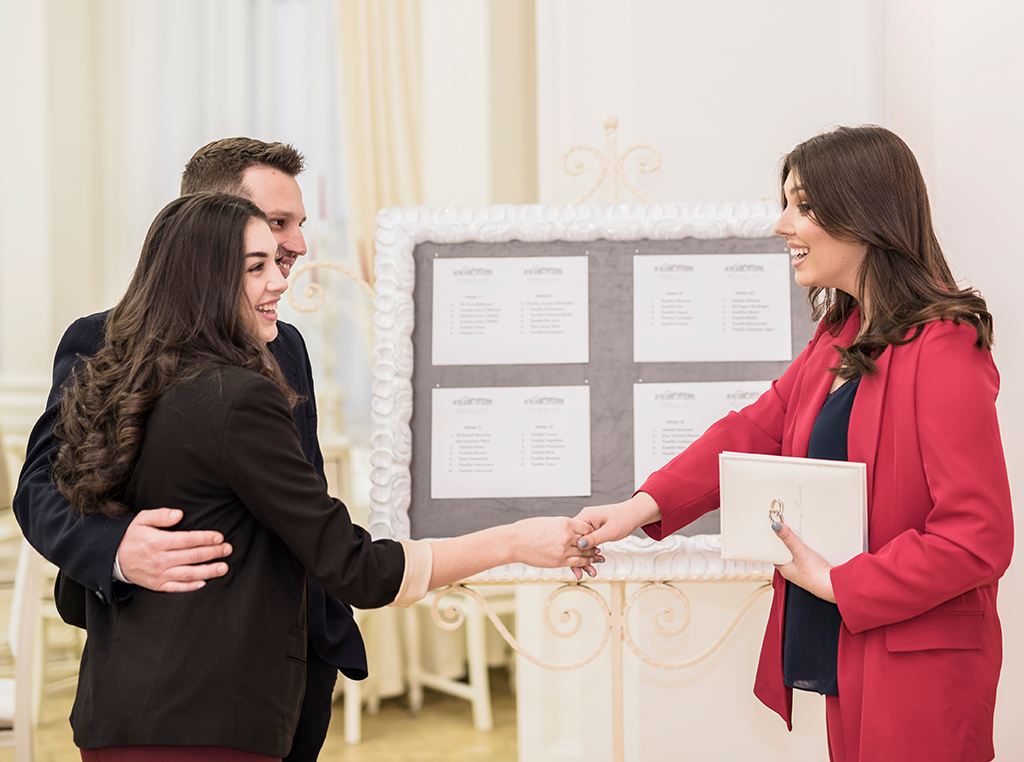
Top Wedding Decor Trends to Watch Out for in 2025

Introduction

Weddings in 2025 are poised to transcend the traditional. Aesthetic storytelling is the new luxury, and wedding decor is at the heart of this transformation. Couples no longer seek just visual appeal, they crave an atmosphere that resonates with their story, values, and aspirations. The evolving landscape of decor trends is a reflection of deeper emotional connections, cultural nuances, and innovative technology.

Sustainability in Wedding Decor

Eco-consciousness is no longer a fringe preference, it’s a central theme. Couples are leaning into wedding decor choices that reflect environmental responsibility. Recycled elements, potted plants instead of cut flowers, biodegradable confetti, and digital invitations are becoming norms. Reusable installations and modular design setups are redefining elegance with ethics. The charm lies in minimal waste and maximum impact.

The Rise of Intimate and Immersive Spaces

Gone are the days of vast, impersonal ballrooms. The new-age couple wants intimate settings that envelop their guests in warmth and experience. Decor is being used to craft immersive micro-environments from cabana-style lounges under fairy-lit canopies to thematic dining corners inspired by Mediterranean markets. Drapes, lighting, and spatial design are becoming tools for storytelling, where each corner offers a moment to savor.

Bold Color Palettes & Unconventional Hues

2025 will see a bold break from pastels and beige monotony. Jewel tones like emerald green, burnt orange, cobalt blue, and mulberry are gaining momentum in wedding decor palettes. These powerful hues add depth and drama to ceremonies, giving each function its own visual personality. Paired with metallic accents or rustic textures, the result is a strikingly modern, unforgettable celebration.

Floral Installations Reimagined

Floral decor is taking on sculptural and architectural forms. Think suspended floral chandeliers, vertical gardens as mandap backdrops, and asymmetric floral arches. Dried flowers mixed with fresh blooms add an earthy aesthetic, and unexpected pairings like orchids with pampas grass or lotus with eucalyptus are setting new design standards. Wedding decor in 2025 is floral art, not just flower arrangement.

Tech-Infused Decor Experiences

Technology is making waves in how guests experience decor. Projection mapping, interactive LED setups, augmented reality elements, and synchronized lighting are blending seamlessly into wedding aesthetics. Imagine a mandap that changes hues with music or a photo wall that reacts to touch. These innovations not only elevate ambiance but also provide unforgettable moments, reshaping the future of wedding decor.

Fusion of Cultural and Contemporary Themes

Indian weddings are embracing global inspirations without abandoning tradition. This harmonious fusion is evident in decor that marries Rajasthani motifs with Scandinavian minimalism or Mughal arches with industrial-chic lighting. Textiles like handloom drapes, ikat runners, and embroidered backdrops infuse cultural elegance into modern structures. The result is a culturally resonant yet fashion-forward visual identity.

Customization: Storytelling Through Decor

Personalization is paramount. From monogrammed signage and custom aisle runners to photo memoir tables and bespoke installations, every decor detail is a narrative piece. Decor is becoming a medium to chronicle the couple’s journey from their first date to the proposal. Emotional resonance is now as important as visual appeal in wedding decor, turning venues into living memoirs.

How The Wedding School Shapes the Future of Wedding Decor

At the forefront of this creative revolution is The Wedding School, an institution redefining the way the industry approaches decor. Through in-depth modules on design principles, color psychology, and execution techniques, it equips aspiring planners and designers with real-world insights. Students gain access to live wedding setups, vendor networks, and seasoned mentors preparing them to lead with innovation and integrity.

By emphasizing practical experience and conceptual understanding, The Wedding School enables future professionals to deliver wedding decor that is both technically flawless and emotionally evocative. Their curriculum evolves in tandem with trends, ensuring graduates are always a step ahead in the ever-changing wedding landscape.

Conclusion

The essence of wedding celebrations is shifting from ostentation to authenticity, from template to tailored. The trends of 2025 reflect a world where wedding decor is not just about what looks good, but what feels meaningful. Whether it’s through sustainable choices, immersive settings, or culturally-rooted innovations, decor is evolving into a language of love, memory, and imagination.

For those ready to shape or experience this future, platforms like The Wedding School are leading the way one trend, one vision, and one extraordinary wedding at a time.