Finding the Perfect Wedding Venue: A Comprehensive Checklist

Want to build your career as a wedding planner

Planning your dream wedding involves numerous decisions, but one of the most crucial choices you’ll make is selecting the perfect wedding venue. The venue sets the tone and atmosphere for your special day, making it essential to find one that aligns with your vision. 

To help you navigate this exciting yet challenging process, we’ve created a comprehensive checklist that covers all aspects of finding the ideal wedding venue.

Understanding Your Wedding Venue Needs

Planning a wedding is an exciting and joyous time in your life. One of the most important decisions you’ll make is choosing the perfect wedding venue. Before embarking on your search, take the time to determine your specific wedding venue needs. Understanding your requirements and desires will greatly narrow down your options and make the decision-making process more focused.

When it comes to finding the ideal wedding venue, there are several factors to consider. Let’s dive deeper into some key aspects that will help you make an informed decision.

Determining Your Wedding Style

Your wedding style sets the tone for the entire event. It reflects your personality as a couple and creates a memorable experience for you and your guests. Start by defining your wedding style.

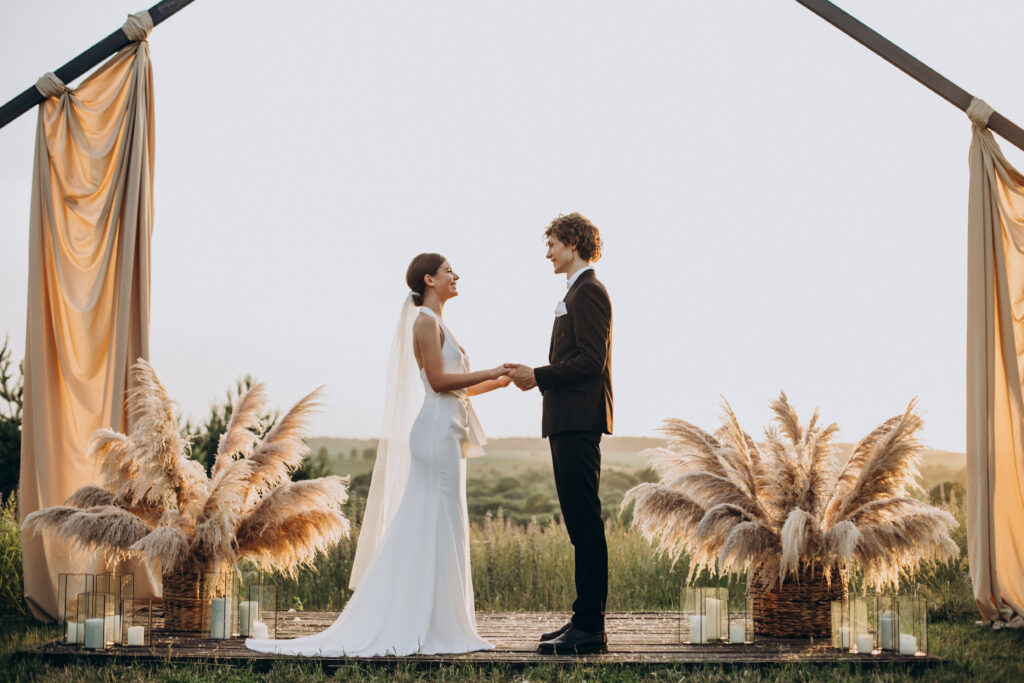
Are you envisioning a romantic outdoor ceremony, an elegant ballroom reception, or a rustic barn celebration? 

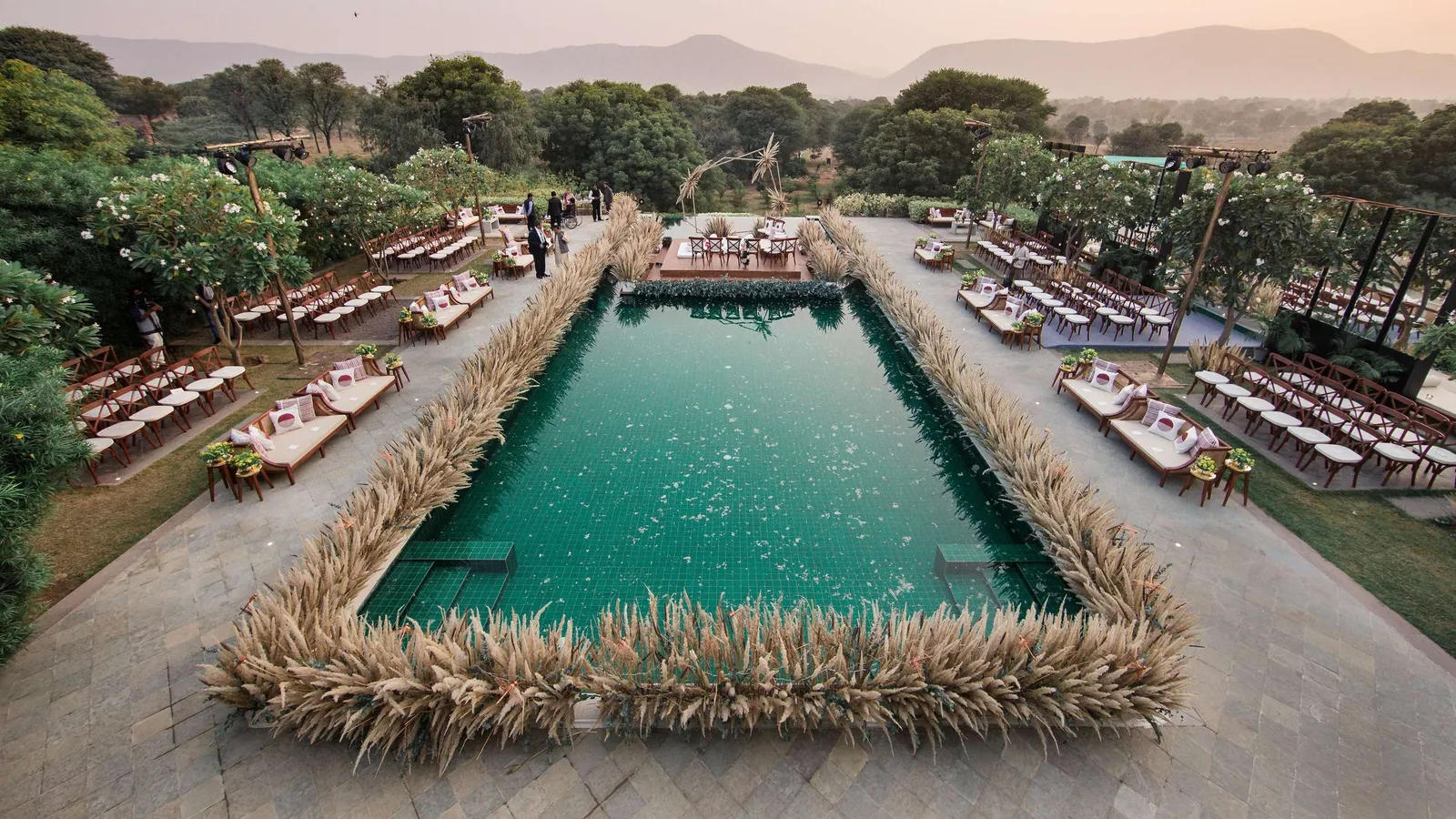
Understand your preferences and desired aesthetics, as it will guide your venue selection. If you’re dreaming of a fairytale-like wedding, an outdoor venue with lush gardens and breathtaking views might be the perfect fit. 

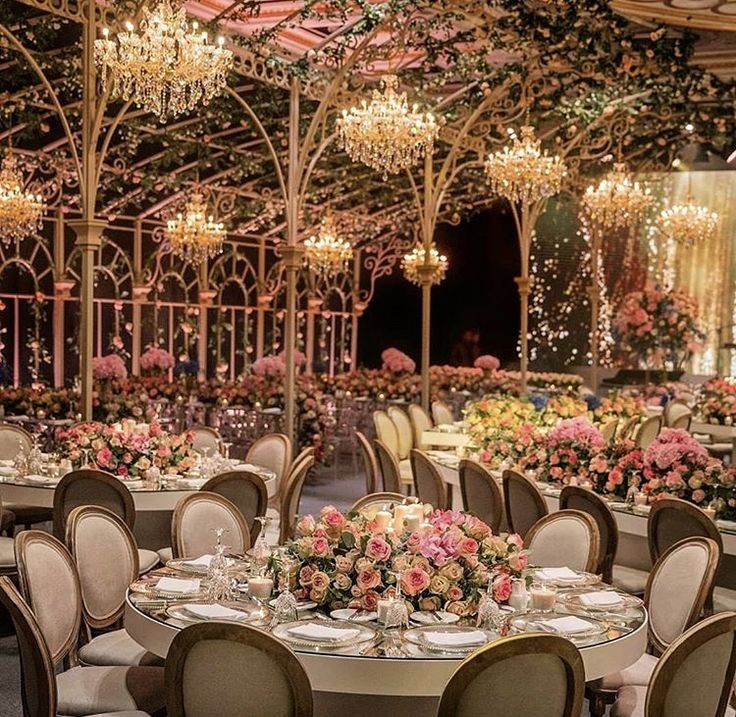
On the other hand, if you’re looking for a more formal and glamorous affair, a grand ballroom with crystal chandeliers and ornate decorations could be your ideal choice. Take the time to explore different wedding styles and find the one that resonates with you.

Estimating Your Guest List Size

Another crucial factor to consider when choosing a wedding venue is the size of your guest list. Consider the number of guests you plan to invite.

Whether you’re hosting an intimate gathering or a grand affair, ensure your chosen venue can comfortably accommodate your guest list. Keep in mind that certain venues have specific capacity limits and regulations.

It’s essential to strike a balance between having enough space for your guests to move around comfortably and creating an intimate atmosphere. You want your loved ones to feel connected and enjoy the celebration without feeling cramped.

Discuss your guest list with your partner and make a rough estimate before starting your venue search.

Considering Your Budget

Weddings can be expensive, and it’s crucial to establish a comprehensive wedding budget early on in the planning process. This will help you set realistic expectations for your venue expenses and allocate funds accordingly.

Be mindful of both the rental fee and any additional costs, such as catering, decorations, and insurance.

When it comes to budgeting for your dream venue, it’s important to prioritize. Determine what aspects of the venue are most important to you and allocate a larger portion of your budget towards those elements.

For example, if having a stunning outdoor ceremony space is a top priority, you may need to adjust your budget accordingly.

Additionally, consider any potential hidden costs that may arise. Some venues may require you to use their in-house catering services or have specific rules regarding decorations. Factor in these additional expenses to avoid any surprises down the line.

By understanding your wedding venue needs, you’ll be able to make a more informed decision and find the perfect location to celebrate your special day.

Take the time to explore different options, visit venues in person, and envision how each space aligns with your vision. Remember, your wedding venue sets the stage for a magical celebration filled with love and cherished memories.

Key Features of a Wedding Venue

Now that you have a clear understanding of your wedding venue needs, let’s explore the key features you should evaluate during your search. Choosing the perfect wedding venue is an important decision that sets the tone for your special day.

It’s not just a place to host your celebration, but a space that reflects your style and creates lasting memories. To help you make an informed choice, here are some additional details to consider:

Accessibility and Location

Consider the proximity of the venue to your ceremony location, accommodations, and transportation. It’s essential to ensure that your venue is easily accessible for both you and your guests.

Imagine a picturesque venue nestled in the countryside, surrounded by lush greenery and breathtaking views. As your guests arrive, they are greeted by a charming entrance, leading them to a beautifully decorated space.

The venue’s location can add an extra touch of magic to your wedding day.

Venue Capacity and Layout

Review the venue’s layout and capacity details carefully. Assess whether it can accommodate all essential elements of your wedding, including the ceremony, cocktail hour, reception, and dance floor.

Picture a grand ballroom with high ceilings, elegant chandeliers, and enough space to comfortably seat all your guests. The layout should flow seamlessly, allowing for a smooth transition from one part of the celebration to another.

You want your guests to feel at ease as they move from the ceremony to the reception, creating an unforgettable experience

Available Amenities

Explore the amenities offered by each venue. While the main focus is on the ceremony and reception spaces, additional features can enhance your wedding experience.

Imagine a venue that offers a luxurious bridal suite, complete with a private dressing area and a stunning mirror where you can admire your wedding attire.

Outdoor spaces such as gardens or patios can provide a picturesque backdrop for your wedding photos. On-site parking ensures that your guests have a hassle-free arrival, while audiovisual equipment can enhance the ambiance of your reception.

Choosing the perfect wedding venue involves careful consideration of these key features. By evaluating accessibility, location, capacity, layout, and available amenities, you can find a venue that not only meets your needs but exceeds your expectations.

Your wedding day is a once-in-a-lifetime event, and the right venue will help you create cherished memories that will last a lifetime.

Questions to Ask When Touring Venues

Once you’ve narrowed down your venue options, take the time to visit each prospective location. Prepare a list of questions to ask during your tours to gather the necessary information to make an informed decision.

Choosing the perfect venue for your wedding is an important decision that sets the tone for your special day. To ensure you make the right choice, it’s essential to ask the right questions during your venue tours. Here are some additional inquiries to consider:

Inquiries about Venue Availability

Confirm the venue’s availability on your desired wedding date. Additionally, inquire about any other events scheduled for the same day or time to ensure your celebration remains the center of attention.

Furthermore, it’s crucial to ask about the venue’s capacity and whether it can comfortably accommodate your guest list. Understanding the venue’s limitations will help you determine if it’s the right fit for your wedding.

Understanding the Cost Structure

Discuss the venue’s pricing structure comprehensively. Inquire about the rental fee, any additional charges, the payment schedule, and any hidden costs. Understanding the financial obligations will help you avoid surprises down the road.

Moreover, ask about any discounts or packages the venue offers. Some venues may provide special deals for off-peak seasons or weekday weddings. Exploring these options can potentially save you money without compromising on the quality of your wedding.

Discussing Vendor Policies

Understand the venue’s policy regarding outside vendors and services. Some venues have preferred vendor lists or restrictions, while others offer flexibility.

Ensure your desired vendors are allowed, or evaluate the venue’s recommendations for a smoother planning process.

Additionally, inquire about the venue’s amenities and services. Does the venue provide tables, chairs, and linens? Are there any restrictions on decorations or music? Knowing these details will help you envision how your wedding will come together in the chosen venue.

Remember, touring venues is an exciting part of the wedding planning process. Take the time to explore each location thoroughly and ask all the necessary questions to make an informed decision.

By doing so, you’ll be one step closer to finding the perfect venue that will create lasting memories on your special day.

Making the Final Decision

Now that you’ve gathered all the necessary information, it’s time to evaluate your venue options and make the final decision.

Evaluating Your Venue Options

Review the advantages, drawbacks, and features of each venue you visited. Consider your wedding style, budget, and guest list while making your decision. Trust your instincts and select the venue that feels the most aligned with your vision.

Signing the Venue Contract

Before finalizing your choice, carefully review the venue contract. Ensure all verbal agreements and package details are accurately reflected in the written agreement.

Pay close attention to cancellation policies, liability insurance requirements, and any additional clauses.

Planning for the Unexpected

Remember to plan for unforeseen circumstances. Discuss contingency plans with your venue, such as indoor alternatives for outdoor weddings or backup power sources.

It’s essential to be prepared, ensuring a seamless celebration regardless of any challenges that may arise.

With this comprehensive checklist in hand, you are now well-equipped to find the perfect wedding venue. Remember to take your time, explore all options, and trust your instincts. 

Your wedding day deserves an extraordinary location that will create cherished memories for a lifetime. Happy venue hunting!

FAQs

Q1. What factors should couples consider when selecting a wedding venue?

Couples should consider factors like the venue’s capacity, location, style, available dates, services offered, budget, and the overall ambiance that complements their wedding vision.


Q2. How can couples determine if a wedding venue fits their desired style or theme?

Consider the venue’s architecture, decor, and surroundings. For instance, a garden or a rustic barn might suit a more casual or nature-themed wedding, while a luxurious hotel may fit a formal affair.


Q3. Are there seasonal considerations when choosing a wedding venue?

Seasonal variations might affect the venue’s ambiance and availability. For example, outdoor venues might differ in appeal during different seasons and may require weather-related contingency plans.


Q4. How important is the location and accessibility of the wedding venue?

Location plays a crucial role for guests’ convenience. Consider accessibility, parking availability, proximity to accommodations, and the distance from the ceremony site to the reception venue.


Q5. What are the backup options to consider in case of unexpected circumstances with the chosen wedding venue?

Having backup plans for inclement weather, power outages, or sudden venue unavailability due to emergencies is essential. Consider alternative indoor spaces or secure a secondary venue.

The Art of Wedding Design_ The Role of a Wedding Designer

Want to build your career as a wedding planner

Planning a wedding can be an overwhelming task. From selecting the perfect venue to choosing the right florals and decor, there are countless decisions to make. This is where a wedding designer comes in.

In this article, we will explore the role of a wedding designer and the importance of their work in creating a memorable wedding experience

Understanding the Role of a Wedding Designer

A wedding designer is a creative professional who has the expertise and vision to bring a couple’s dream wedding to life. They work closely with the couple to understand their style, preferences, and budget.

By collaborating with vendors, coordinating logistics, and overseeing the design process, they ensure that everything comes together seamlessly on the big day.

When it comes to creating a memorable wedding, a wedding designer plays a crucial role in transforming a couple’s vision into a reality. They are like the architects of the wedding, carefully crafting every detail to create a cohesive and enchanting experience for the couple and their guests.

From the moment a couple meets with a wedding designer, the designer’s main objective is to understand their unique style and preferences.

They take the time to listen to the couple’s ideas, dreams, and inspirations, and then use their expertise to translate those concepts into a tangible plan.

One of the primary responsibilities of a wedding designer is to create a cohesive aesthetic for the wedding. This involves selecting palettes, textures, and themes that reflect the couple’s personal style.

The designer carefully curates a color scheme that sets the tone for the entire event, ensuring that every element of the decor, from the flowers to the lighting to the table settings, harmonizes beautifully.

Collaboration is key for a wedding designer. They work closely with various vendors, such as florists, caterers, and rental companies, to bring the couple’s vision to life.

The designer acts as a liaison between the couple and these vendors, ensuring that everyone is on the same page and that all the necessary details are taken care of.

In addition to their creative and coordination skills, a wedding designer also takes on the role of a financial manager. They manage the budget, making sure that every dollar is allocated wisely and that the couple gets the most out of their investment.

They negotiate contracts with vendors, ensuring that the couple gets the best possible deals without compromising on quality.

On the day of the wedding, a wedding designer is the behind-the-scenes maestro, ensuring that everything runs smoothly. They oversee the setup of the venue, making sure that every detail is in place.

They troubleshoot any last-minute issues that may arise, such as a missing centerpiece or a malfunctioning sound system, so that the couple can enjoy their special day stress-free.

Intimate weddings have several benefits, including lower costs, increased intimacy, and the ability to personalise your wedding in unique and meaningful ways. Additionally, intimate weddings allow couples to focus on the important aspects of their wedding, such as the ceremony and the reception, without the distractions of a large wedding.

Essential Skills for a Successful Wedding Designer

To excel in this role, a wedding designer must possess a unique set of skills. Creativity is at the forefront, as they must think outside the box to create memorable and personalized experiences.

They have a keen eye for design and are able to transform spaces into enchanting settings that reflect the couple’s love story.

Strong communication and organizational skills are also crucial for a wedding designer. They need to effectively communicate with the couple, vendors, and other members of the wedding planning team.

They must be able to articulate their ideas clearly and listen attentively to the needs and desires of the couple.

Attention to detail is a must for a successful wedding designer. They meticulously plan every aspect of the wedding, from the placement of each centerpiece to the timing of the ceremony. 

They leave no stone unturned, ensuring that every element of the design is flawless and that the couple’s vision is brought to life.

Flexibility is another important skill for a wedding designer. They must be able to adapt to changes and unexpected challenges that may arise during the planning process or on the day of the wedding.

They are quick thinkers and problem solvers, always ready to come up with creative solutions to ensure that the wedding goes off without a hitch.

In conclusion, a wedding designer is a vital part of the wedding planning process. They bring creativity, organization, and attention to detail to the table, ensuring that a couple’s dream wedding becomes a reality.

With their expertise and vision, they create a magical and unforgettable experience for the couple and their guests.

The Process of Wedding Design

Wedding design encompasses a series of stages that begin long before the actual event. Let’s explore these stages in detail.

Initial Consultation and Concept Development

The first step in the design process is meeting with the couple to discuss their vision and preferences. The wedding designer listens carefully to understand their likes, dislikes, and overall aesthetic. From this initial consultation, a concept is developed that serves as the foundation for the design.

This concept includes a color palette, theme, and overall feel that captures the essence of the couple’s love story.

Planning and Coordination

Once the concept is established, the wedding designer begins the planning and coordination phase. They research and recommend vendors who can bring the vision to life. This includes florists, decorators, caterers, and rental companies. The designer also assists with venue selection and layouts to ensure that the space is utilized efficiently and aesthetically.

Execution and Final Touches

The final stage of the design process is the execution. This involves overseeing the installation of all decor elements, coordinating with vendors, and ensuring that everything is set up according to plan.

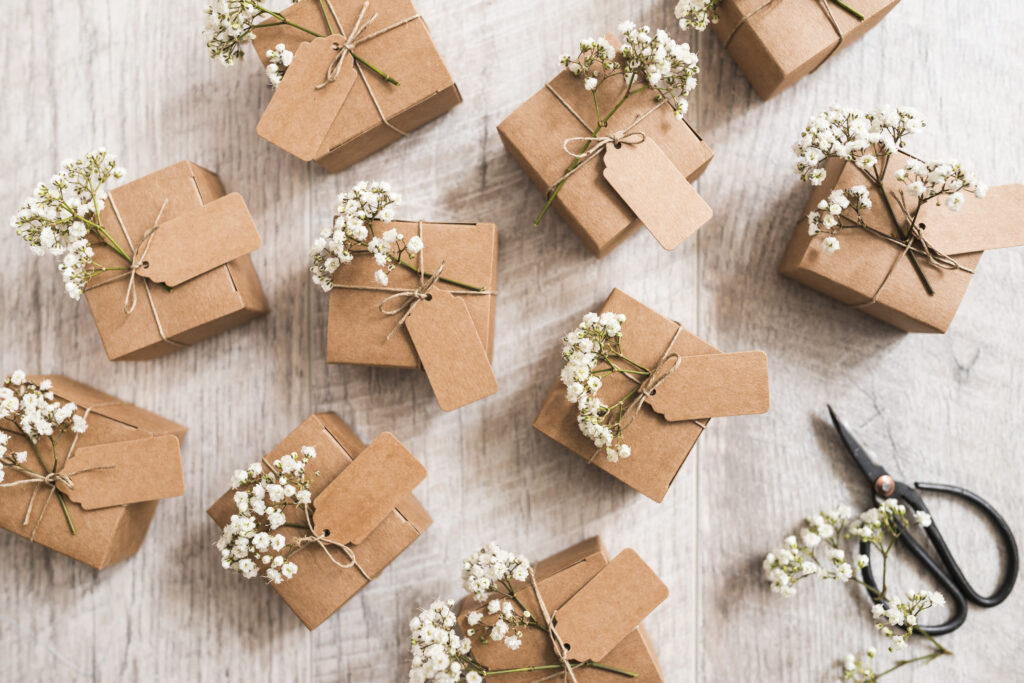
The wedding designer adds the final touches, such as personalized signage, guest favors, and special details that make the event truly unique and memorable.

The Importance of Wedding Design

Wedding design is more than just selecting pretty flowers or choosing the right color scheme. It plays a vital role in setting the tone and overall experience for guests and the couple alike.

Creating a Cohesive Theme

By creating a cohesive theme, wedding designers set the stage for a visually stunning and immersive experience. From the invitations to the floral arrangements and venue decor, every element is carefully curated to reflect the couple’s personality and love story.

A well-designed wedding creates a sense of unity and harmony, leaving a lasting impression on guests.

Enhancing the Wedding Experience

Wedding design goes beyond aesthetics; it also focuses on creating an exceptional experience for everyone involved. From designing comfortable seating arrangements to implementing thoughtful lighting, a wedding designer ensures that guests feel welcomed and engaged throughout the celebration.

An exceptional wedding experience leaves a lasting impression on guests, creating beautiful memories for all.

Choosing the Right Wedding Designer

Selecting the right wedding designer is crucial for a successful wedding. Here are some factors to consider before making a decision.

Factors to Consider

  • Experience and Portfolio: Review the designer’s previous work to ensure that their style aligns with the couple’s vision.
  • Communication and Collaboration: It is essential to find a designer who listens, understands, and communicates effectively.
  • Budget and Pricing: Discuss the budget openly and ensure that the designer can work within the specified financial constraints.
  • Reputation and Reviews: Look for testimonials and reviews from previous clients to gauge the designer’s professionalism and reliability.

Questions to Ask Potential Wedding Designers

During the selection process, it is essential to ask prospective wedding designers the right questions to assess their suitability:

  1. Can you provide examples of weddings you have designed with a similar style?
  2. How do you handle unexpected challenges during the planning and execution process?
  3. What is your approach to budget management?
  4. How do you collaborate and communicate with the couple and vendors?
  5. What sets you apart from other wedding designers in terms of your style and approach?

Trends in Wedding Design

Wedding design trends are ever-evolving, reflecting the changing tastes and preferences of couples. Here are some popular wedding themes and styles:

Popular Wedding Themes and Styles

  • Rustic Chic: This style combines natural elements with elegant details, creating a warm and cozy ambiance.
  • Minimalist Elegance: Simple yet sophisticated, minimalist weddings focus on clean lines, neutral colors, and understated luxury.
  • Bohemian Romance: Inspired by nature, bohemian weddings embrace free-spirited vibes, earthy palettes, and whimsical details.
  • Modern Glam: Bold and glamorous, this style incorporates metallic accents, lush florals, and luxurious textures.

Innovative Approaches to Wedding Design

Wedding designers are always pushing the boundaries of creativity. Here are some innovative approaches to wedding design:

  • Interactive Installations: From photo booths to interactive art installations, couples are incorporating elements that engage and entertain their guests.
  • Sustainable Weddings: With an increasing focus on sustainability, couples are opting for eco-friendly decor, locally sourced florals, and ethical planning practices.
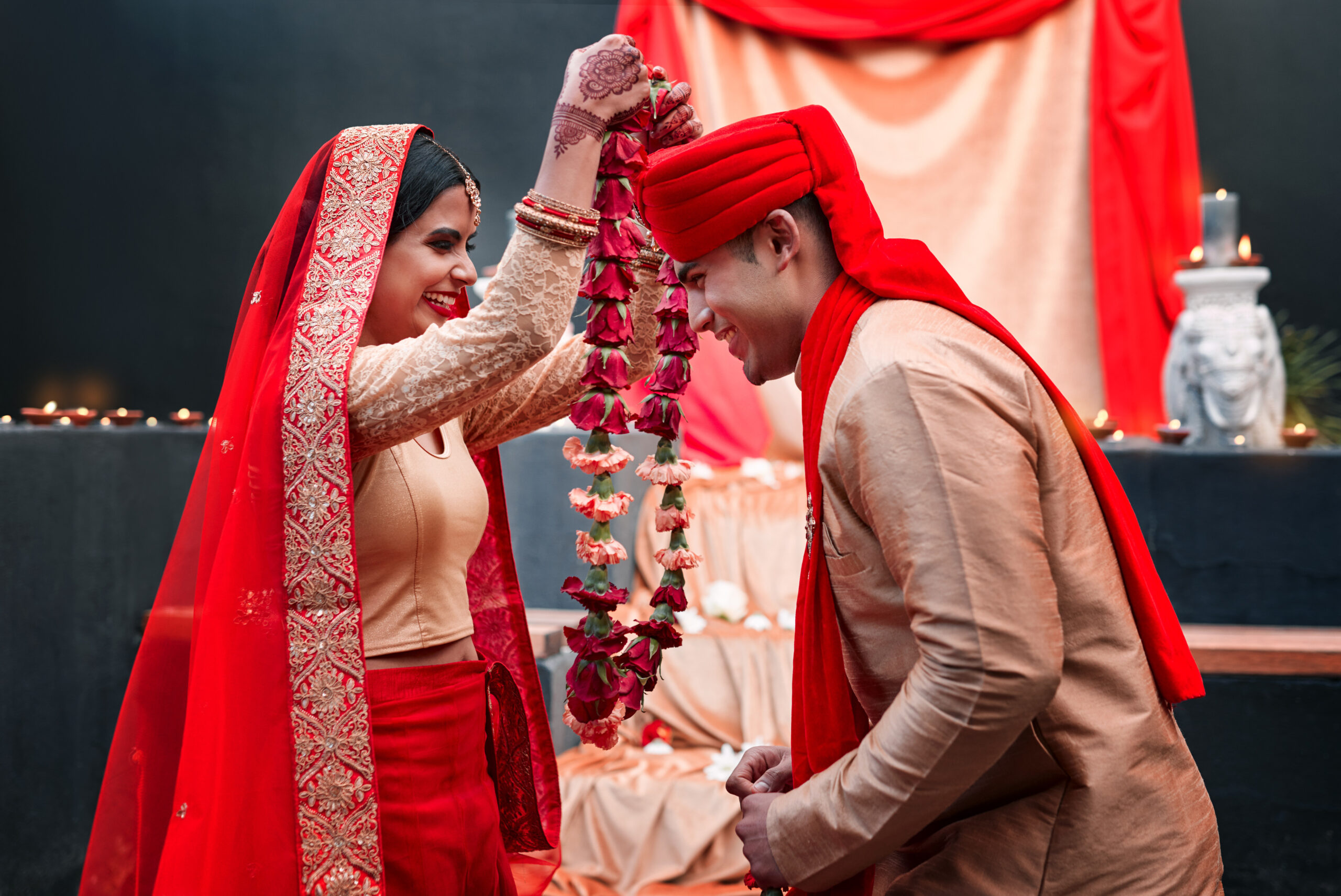
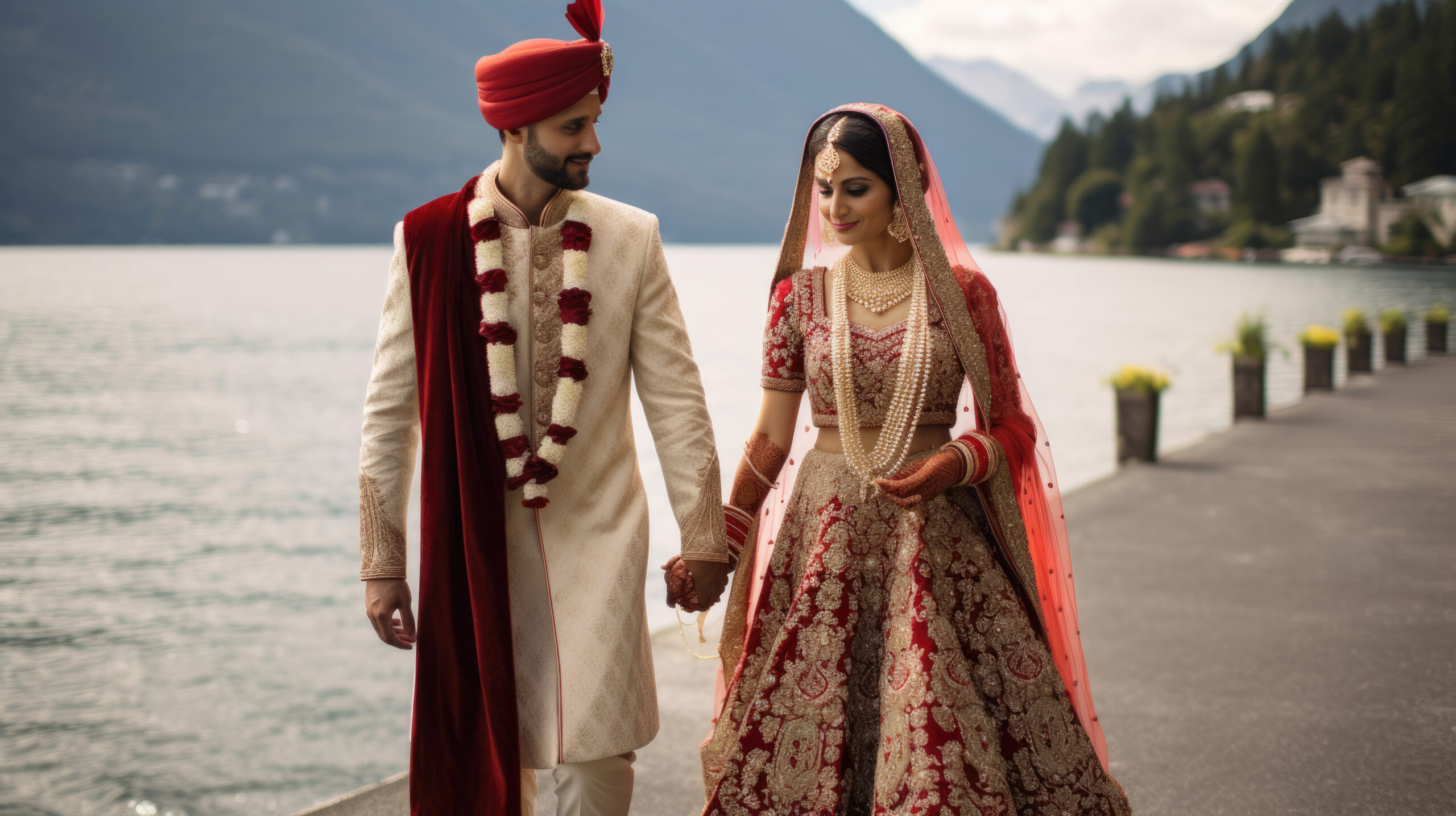
  • Fusion of Cultures: Couples are embracing their heritage by infusing traditional elements into their wedding design, creating a blend of cultures and traditions.
  • Virtual Celebrations: In response to the COVID-19 pandemic, couples are incorporating virtual elements into their wedding design, allowing loved ones from afar to be part of their special day.

Conclusion

In conclusion, a wedding designer plays a crucial role in bringing a couple’s dream wedding to life. By understanding the responsibilities of a wedding designer, the importance of wedding design, and the latest trends in the field, couples can make informed decisions when selecting a professional to create their perfect wedding experience.

Essential Wedding Decor: The Five Elements You Need to Include

Want to build your career as a wedding planner

Your wedding day is a special occasion that deserves to be celebrated in style. And what better way to make your big day truly unforgettable than by creating a stunning atmosphere with the perfect wedding decor?

In this article, we will explore the five essential elements you need to include in your wedding decor to ensure a magical and memorable celebration.

Understanding the Importance of Wedding Decor

Before we dive into the specific elements of wedding decor, let’s take a moment to appreciate the significance of this essential aspect of your special day. Wedding decor sets the tone and creates the ambiance for your celebration.

It allows you to express your unique personality as a couple and create a memorable experience for your guests. So, let’s get started on crafting the perfect decor for your wedding!

When it comes to planning a wedding, every detail matters. From the flowers to the table settings, each element plays a crucial role in creating a cohesive and visually stunning atmosphere.

Wedding decor goes beyond mere aesthetics; it creates an immersive experience that transports your guests into a world of love, joy, and celebration.

Imagine walking into a beautifully decorated venue, where every corner is adorned with exquisite details that reflect your love story. The ambiance is carefully curated to evoke the emotions you want to convey on your special day.

The decor becomes a language of its own, speaking volumes about your personality, style, and the love you share as a couple.

Setting the Mood with Your Decor Choices

The first step in creating the perfect wedding decor is to consider the mood you want to set for your celebration. Do you envision a romantic and intimate atmosphere?

Or perhaps you prefer a more vibrant and energetic vibe? By choosing decor elements that align with the mood you want to create, you can ensure that every detail contributes to the overall ambiance of your special day.

For a romantic and intimate wedding, soft lighting, delicate floral arrangements, and ethereal fabrics can help create a dreamy atmosphere.

On the other hand, if you want to infuse your celebration with energy and vibrancy, bold colors, dynamic patterns, and interactive elements can set the stage for a lively and memorable event.

Consider the venue itself when selecting your decor. Is it an outdoor garden, a rustic barn, or an elegant ballroom? The surroundings can influence the mood and style of your wedding decor.

By harmonizing your choices with the venue’s existing features, you can create a seamless and visually stunning experience for your guests.

Reflecting Your Personality Through Decor

Your wedding decor is an opportunity to showcase your unique personality as a couple. Are you drawn to bohemian elegance, modern minimalism, or classic sophistication?

Take some time to reflect on your personal style and interests as a couple, and infuse those elements into your decor choices. Whether it’s through the colors you select or the decorative accents you incorporate, your wedding decor should be a reflection of your love story.

If you and your partner are nature enthusiasts, consider incorporating organic and eco-friendly elements into your decor. Use potted plants, recycled materials, and natural textures to bring the beauty of the outdoors inside.

For those who appreciate contemporary design, sleek lines, geometric shapes, and monochromatic color schemes can create a modern and sophisticated ambiance.

Remember, your wedding decor should not only reflect your personality but also create a comfortable and welcoming space for your guests.

Consider their experience as well when making decor choices. Provide cozy seating areas, interactive displays, and thoughtful details that will make them feel appreciated and included in your celebration.

The First Element: The Wedding Theme

One of the most important elements of wedding decor is the theme. Your wedding theme sets the overall aesthetic for your celebration and ties all the elements together. It provides a cohesive framework that guides your decor choices, from the invitations to the centerpieces.

Choose a theme that resonates with you as a couple and complements the overall vision for your wedding.

When it comes to planning your dream wedding, the theme you choose can make all the difference. It’s not just about picking a color scheme or a trendy style; it’s about creating an atmosphere that reflects your unique love story.

Your wedding theme is like the thread that weaves through every aspect of your special day, connecting each detail in a harmonious and meaningful way.

Choosing the perfect theme for your wedding can be an exciting and creative process. It’s an opportunity to showcase your personalities, interests, and shared experiences as a couple. Take some time to sit down together and brainstorm ideas.

Think about the things that make you both smile, the adventures you’ve had, and the dreams you share for the future. Let these inspirations guide you toward a theme that truly resonates with your love story.

Choosing a Theme that Resonates

When selecting a wedding theme, consider your interests, shared memories, or even the season in which you’re getting married. Are you both avid travelers?

Consider a travel-inspired theme with elements from your favorite destinations. Imagine your guests being transported to a tropical paradise or a romantic European city as they enter your reception venue.

The possibilities are endless when it comes to incorporating your love for travel into your wedding theme.

Do you have a soft spot for vintage charm? Opt for a retro-inspired theme that incorporates antique accents, classic colors, and nostalgic details. Picture your wedding day filled with timeless elegance, reminiscent of a bygone era.

From vintage-inspired wedding dresses to old-fashioned typewriters for guest books, every element can be carefully chosen to bring your theme to life.

Another way to choose a theme that resonates with you is by considering the season in which you’re getting married. If you’re having a spring wedding, a theme inspired by blooming flowers and fresh pastel colors can create a romantic and whimsical atmosphere.

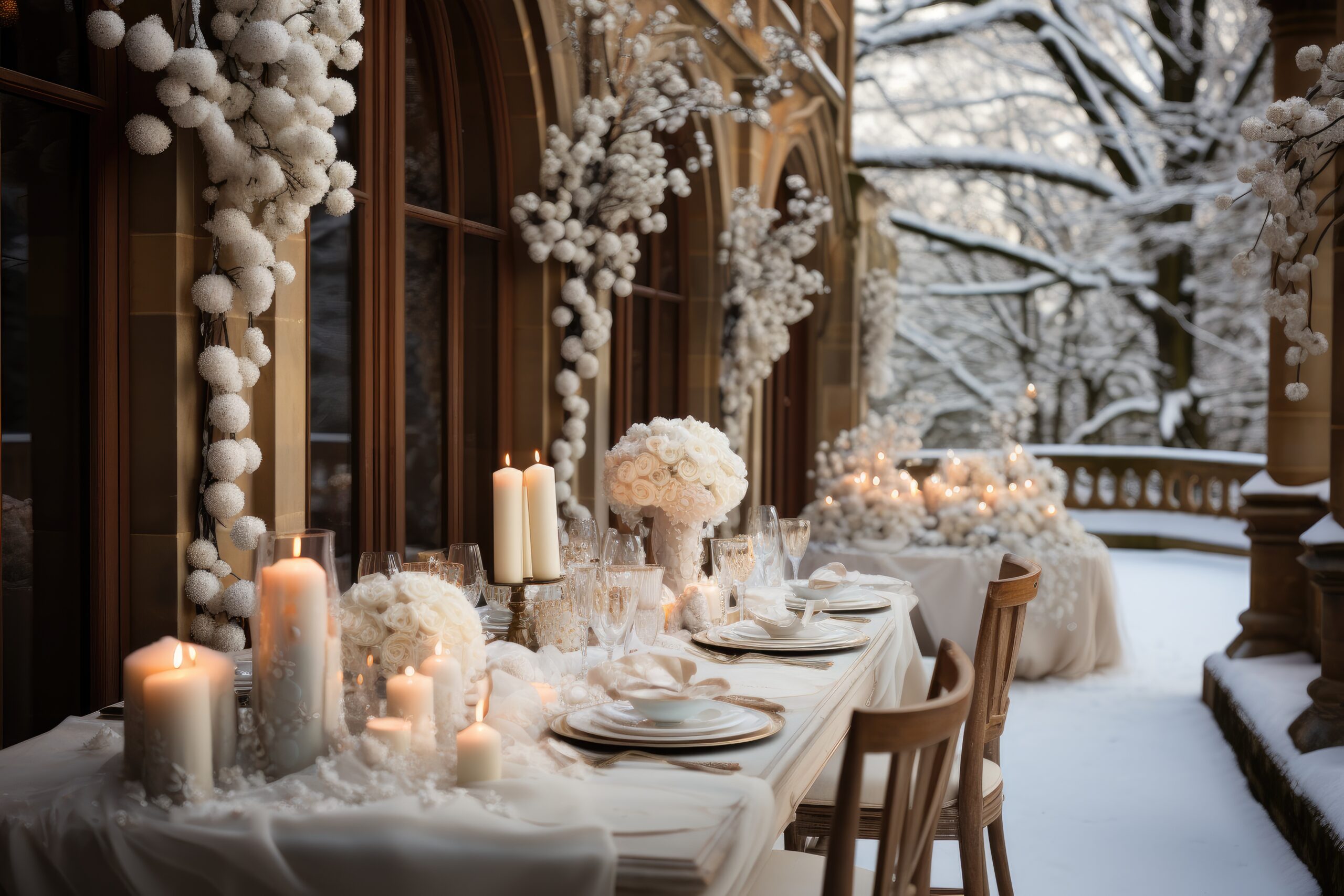
For a winter wedding, a theme that embraces the magic of the holiday season with cozy decor and warm candlelight can make your celebration truly enchanting.

Remember, your wedding theme should be a reflection of your personality and the love you share. It should be something that brings you joy and makes your heart skip a beat every time you think about it.

So, don’t be afraid to think outside the box and let your imagination run wild when choosing the perfect theme for your special day.

Incorporating Your Theme into Your Decor

Once you’ve chosen a theme, it’s time to bring it to life through your decor choices. Think about how you can incorporate elements of your chosen theme in every aspect of your wedding decor.

From the ceremony backdrop to the table centerpieces, each detail should reflect the essence of your chosen theme.

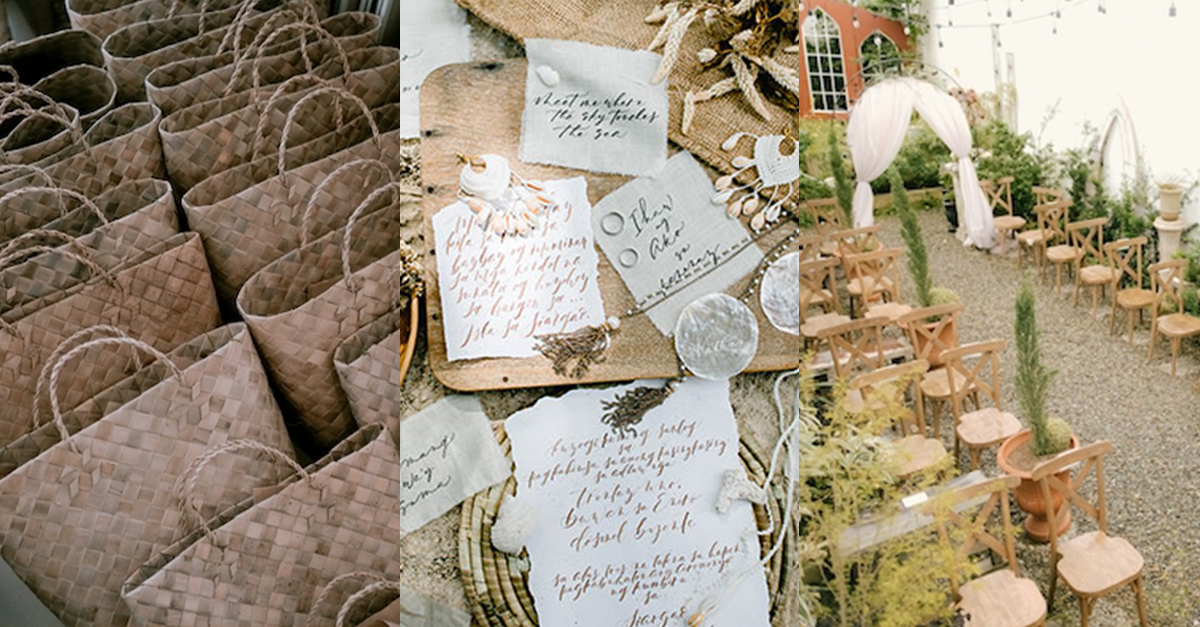
For example, if you’ve chosen a rustic theme, you can incorporate natural elements like wood, burlap, and wildflowers into your decor.

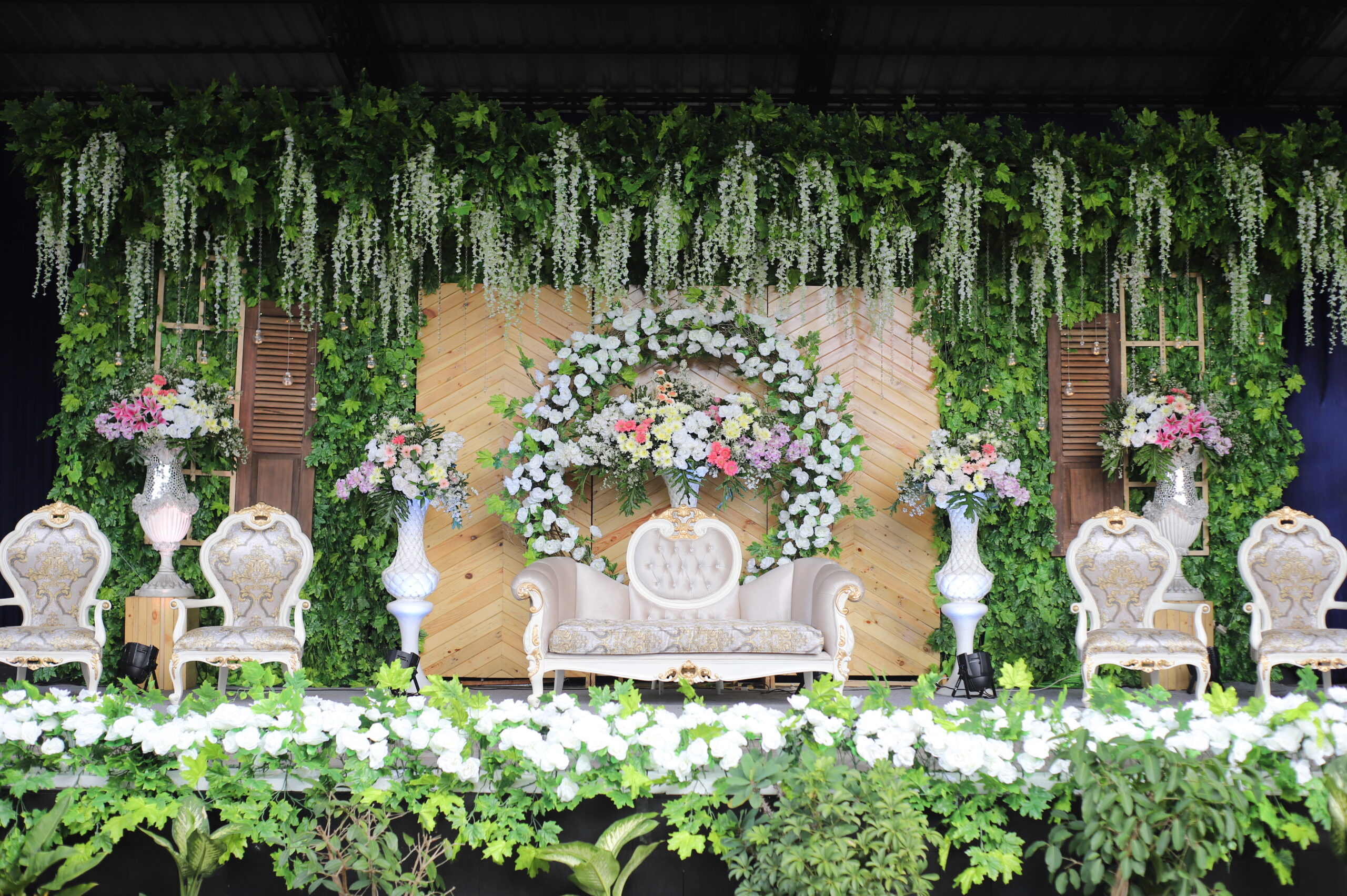
Imagine exchanging your vows under a beautifully decorated arch made of twigs and flowers, surrounded by the beauty of nature. Your reception tables can be adorned with mason jars filled with wildflowers and wooden signs with handwritten calligraphy.

If you’ve chosen a glamorous theme, you can incorporate luxurious fabrics like silk and velvet, as well as sparkling crystals and elegant chandeliers.

Picture a grand ballroom filled with golden accents, shimmering table linens, and a dance floor adorned with a dazzling crystal chandelier. Every detail should exude elegance and sophistication.

Get creative and let your theme guide your design decisions. Think about how you can incorporate your chosen theme into the smallest details, like the wedding favors, the cake topper, and even the signage throughout your venue.

By paying attention to these little touches, you’ll create a cohesive and immersive experience for your guests, where every element tells a part of your love story.

The Second Element: Color Palette

When selecting your wedding colors, consider hues that resonate with your personal style and the overall theme of your wedding. Are you drawn to soft pastels, bold jewel tones, or earthy neutrals?

Think about the emotions you want to evoke and select colors that align with those feelings. You can also consider colors that complement your venue or the season in which you’re getting married.

Selecting Your Wedding Colors

A professional lighting designer has the expertise and creativity to transform your outdoor space into a captivating wonderland.

With their knowledge of different lighting techniques and equipment, they can bring your vision to life, ensuring that every corner of your venue is beautifully illuminated.

Creating Harmony with Your Color Choices

To create a harmonious look, incorporate your chosen colors throughout your wedding decor. From the bridesmaids’ dresses to the floral arrangements, ensure that your color palette is thoughtfully integrated into every aspect of your celebration.

The key is to strike a balance and use colors in a way that complements each other rather than overwhelming the space.

The Third Element: Lighting

Lighting is an often overlooked but crucial element of wedding decor. The right lighting can transform a space and create a magical ambiance for your celebration.

It can accentuate key design elements and add depth and warmth to the overall atmosphere.

The Role of Lighting in Wedding Decor

Lighting serves a dual purpose in wedding decor. It not only illuminates the space but also enhances the overall aesthetic.

Whether you choose soft, romantic candlelight or vibrant, colorful uplighting, make sure to consider the impact of lighting on the mood you want to create.

Different Types of Lighting Options

There are various lighting options to consider for your wedding decor. String lights, lanterns, and chandeliers can create an enchanting ambiance for an outdoor wedding.

Candles and votives can add a romantic touch to your reception tables. Don’t be afraid to mix and match different types of lighting to achieve the desired effect.

The Fourth Element: Table Settings

Table settings play a pivotal role in creating a cohesive and visually appealing atmosphere for your wedding reception.

They are an opportunity to showcase your attention to detail and leave a lasting impression on your guests.

The Impact of Table Settings on Overall Decor

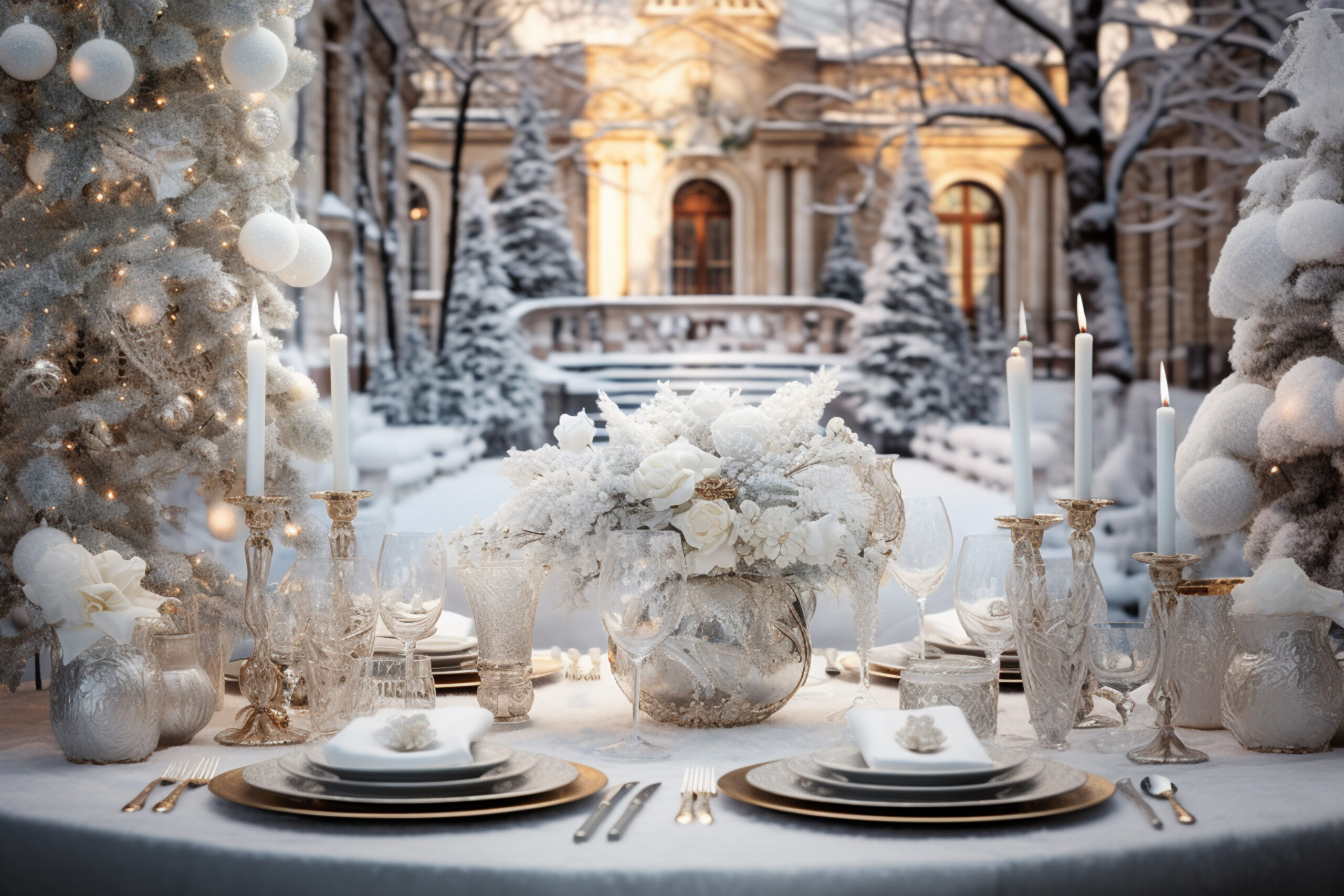
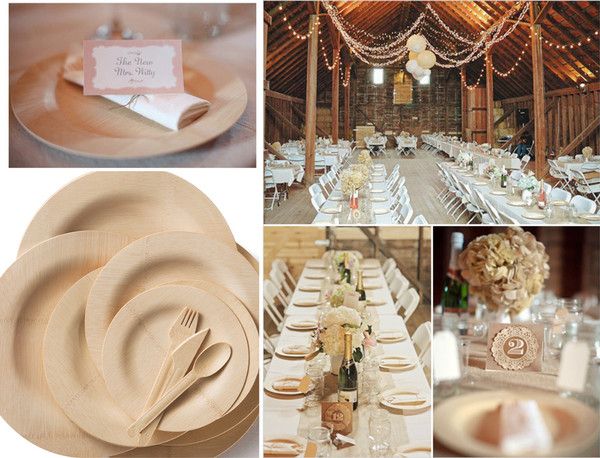
The table settings, including the linens, napkins, dinnerware, and centerpieces, are essential components of your wedding decor. They tie together the theme, color palette, and overall aesthetic.

Consistency in your table settings helps create a visually pleasing experience for your guests and adds a touch of elegance to your celebration.

Choosing the Right Table Settings for Your Wedding

When selecting your table settings, consider the theme, color palette, and overall style of your wedding. Play with different textures, patterns, and materials to create visual interest.

Don’t forget to incorporate decorative elements, such as place cards, menu cards, or personalized favors, to add a personal touch to each table setting. Remember, attention to detail goes a long way!

By incorporating these five essential elements into your wedding decor, you can create a truly unforgettable celebration that reflects your unique personality as a couple. Whether it’s through your choice of theme, color palette, lighting, or table settings, every detail counts in setting the stage for a magical day.

So, let your imagination soar, have fun with the process, and create a wedding that will leave a lasting impression on you and your guests.

FAQs

Q1. How can we use floral arrangements effectively in wedding decor?

Flowers can be used in various ways, such as centerpieces, bouquets, aisle decor, arches, and installations. They add color, fragrance, and elegance to the venue, contributing to a cohesive and beautiful atmosphere.

Q2. How can we ensure an appealing table setting for the wedding?

The table setting involves a combination of linens, tableware, centerpieces, and place settings. Coordinating colors, textures, and styles can create a cohesive and aesthetically pleasing look.

Q3. What are some creative ways to personalize wedding decor through signage and personal touches?

Personal touches can be incorporated through customized signage with quotes, monograms, or welcome boards. Personal items like family heirlooms, photos, or handmade crafts also add a unique and sentimental touch.

Q4. How far in advance should I plan for these essential decor elements for my wedding?

It’s advisable to start planning these elements early in the wedding preparation process. Ideally, 8-12 months prior to the wedding date is a good starting point to secure vendors, discuss design concepts, and make necessary arrangements.

Q5. Why are backdrops or altar decor crucial in wedding decoration?

Backdrops and altar decor serve as the focal point for the ceremony and other crucial moments. They create a picturesque setting for exchanging vows or showcasing the couple, adding to the visual allure of the event.

Enchanting Outdoor Wedding Lighting: Creating a Dreamy Atmosphere

Want to build your career as a wedding planner

Are you planning a beautiful outdoor wedding? Don’t forget to consider the importance of enchanting outdoor wedding lighting. Lighting can greatly impact the mood and atmosphere of your special day, creating a dreamy ambiance that will leave your guests in awe.

In this article, we will explore different types of outdoor wedding lighting, discuss placement strategies for maximum impact, and provide valuable tips on powering your lights.

Plus, we’ll give you some insight into why hiring a professional lighting designer can make all the difference in creating a truly magical experience.

Let’s dive in and illuminate your wedding day!

Understanding the Importance of Outdoor Wedding Lighting

When it comes to planning your outdoor wedding, lighting should be at the forefront of your mind. Outdoor wedding lighting not only provides practical illumination, but it also sets the mood and creates a romantic atmosphere.

Imagine soft, twinkling lights that cast a warm glow, making your guests feel like they’ve stepped into a fairy tale. And with the right lighting, you can turn an ordinary outdoor space into a breathtaking wonderland.

Setting the Mood with Light

The right lighting can instantly transform any space, and your wedding venue is no exception. Think about the ambiance you want to create.

Do you picture a romantic and intimate setting, or a more lively and energetic celebration

 By strategically placing your outdoor wedding lights, you can set the mood and create a magical atmosphere that will leave a lasting impression.

Picture this: you and your partner exchanging vows under a canopy of twinkling fairy lights, their soft glow illuminating your faces as you declare your love for one another.

The warm, romantic ambiance created by the lights sets the perfect backdrop for this special moment. As the sun sets and the evening progresses, the lights continue to work their magic, creating an enchanting atmosphere for your guests to enjoy.

Not only do outdoor wedding lights set the mood, but they also enhance the natural beauty of your surroundings. Whether you’re getting married in a lush garden, a rustic barn, or on a sandy beach, the right lighting can highlight the unique features of your chosen venue.

Soft uplighting on trees or architectural elements can add depth and dimension to the space, while string lights draped across open spaces create a whimsical and inviting atmosphere.

Safety Considerations for Outdoor Lighting

While creating a dreamy atmosphere is important, safety should always be a priority. When choosing outdoor wedding lighting, make sure to opt for weather-resistant fixtures that are suitable for outdoor use.

The last thing you want is for a sudden rain shower to ruin your carefully planned lighting setup. Weather-resistant lighting ensures that your lights will withstand any unexpected weather conditions, allowing you to focus on enjoying your special day without worry.

It’s also essential to consider the safety of you and your guests when setting up your outdoor wedding lighting. Be cautious of any open flames or exposed wiring that could pose a hazard.

If you choose to incorporate candles or lanterns into your lighting design, ensure that they are securely placed and away from any flammable materials. Consulting with a professional lighting designer or electrician can provide you with expert advice on how to create a beautiful and safe lighting setup.

Remember, outdoor wedding lighting is not just about functionality; it’s about creating an unforgettable experience for you and your guests.

So, take the time to carefully plan and design your lighting scheme, considering both the mood you want to set and the safety precautions necessary. With the right lighting, your outdoor wedding will be a truly magical event that will be remembered for years to come.

Types of Outdoor Wedding Lighting

Now that you understand the importance of outdoor wedding lighting, let’s explore some of the different types of lights that can help you achieve your desired ambiance.

When it comes to planning an outdoor wedding, lighting plays a crucial role in creating the perfect atmosphere. It not only illuminates the space but also sets the mood and enhances the overall aesthetic appeal.

From fairy-tale charm to rustic elegance and glamorous opulence, there are various types of outdoor wedding lighting options to choose from.

String Lights for a Fairy-Tale Feel

Add a sprinkle of magic to your outdoor wedding with string lights. These delicate strands of lights can be hung across pathways, wrapped around trees, or suspended overhead to create a whimsical atmosphere.

String lights are perfect for adding a touch of enchantment and giving your outdoor space a fairy-tale feel.

Imagine walking down a path adorned with twinkling string lights, feeling like you’re in a storybook setting.

The soft glow of these lights creates a romantic and dreamy ambiance, making it an ideal choice for couples who want to infuse their wedding with a sense of wonder and enchantment.

Lanterns for a Rustic Touch

If you’re aiming for a rustic-themed wedding, lanterns are the perfect choice. These charming and versatile light fixtures can be placed on tables, along walkways, or even hung from trees.

Lanterns add a cozy and intimate glow, embracing the natural beauty of your outdoor surroundings.

Picture a rustic garden wedding with lanterns casting a warm and inviting glow. The flickering light creates a cozy and intimate atmosphere, perfect for celebrating love surrounded by nature. Lanterns come in various styles and materials, allowing you to choose the ones that best complement your wedding theme and personal style.

Chandeliers for a Touch of Elegance

If you’re dreaming of a glamorous wedding, chandeliers are the epitome of elegance. Hang a few dazzling chandeliers from trees or gazebos to create a chic and sophisticated atmosphere.

The shimmering light and intricate designs of chandeliers will elevate your outdoor wedding to new heights of opulence.

Imagine dancing under the sparkling glow of chandeliers, feeling like royalty on your special day. The grandeur and sophistication of these lighting fixtures add a touch of luxury to any outdoor wedding setting.

Whether you opt for crystal chandeliers or vintage-inspired designs, they are sure to leave a lasting impression on your guests.

When choosing the right outdoor wedding lighting, consider the overall theme and ambiance you want to create. Each type of lighting offers its unique charm and can transform your outdoor space into a magical and unforgettable setting.

Whether you go for the fairy-tale feel of string lights, the rustic touch of lanterns, or the elegance of chandeliers, the right lighting will enhance the beauty of your outdoor wedding and create memories that will last a lifetime.

Placement of Lights for Maximum Impact

Now that you have an idea of the different types of wedding lighting available, let’s discuss how to strategically place your lights to achieve maximum impact.

Lighting the Pathways

Guide your guests with a beautifully lit pathway. Whether it’s a paved walkway or a natural trail, placing lights along the path not only ensures that everyone can move safely but also creates a captivating entrance for your guests.

Highlighting the Wedding Altar

Your wedding altar should be the focal point of your ceremony, and lighting plays a crucial role in drawing attention to this special area.

Use spotlights or uplights to illuminate the altar, creating a stunning backdrop for your vows.

Illuminating the Reception Area

Set the stage for an unforgettable reception by strategically placing lights throughout your outdoor reception area.

Whether it’s soft lighting to create an intimate atmosphere or vibrant lights to make a statement, ensure that your guests can see and enjoy each moment of the celebration.

Powering Your Outdoor Wedding Lights

Now that you know how to create a dreamy atmosphere with the right type and placement of lights, let’s talk about powering them.

Considering Energy Efficiency

Outdoor lighting can consume a significant amount of energy, so it’s essential to consider energy-efficient options. Opt for LED lights, which use less energy and last longer than traditional bulbs.

By choosing energy-efficient lighting, you not only reduce your environmental impact but also save on energy costs.

Managing Cables and Wires

No one wants unsightly cables and wires marring their outdoor wedding decor. To keep things looking neat and organized, plan your lighting setup in advance and invest in cable management solutions.

This will ensure that your lights shine bright without any distracting clutter.

Hiring a Professional Lighting Designer

While some couples may enjoy DIY wedding projects, hiring a professional lighting designer can make all the difference in creating a truly magical experience.

Benefits of Professional Lighting Design

A professional lighting designer has the expertise and creativity to transform your outdoor space into a captivating wonderland.

With their knowledge of different lighting techniques and equipment, they can bring your vision to life, ensuring that every corner of your venue is beautifully illuminated.

What to Look for in a Lighting Designer

When choosing a lighting designer, look for someone who has experience with outdoor weddings and understands your vision.

Check out their portfolio and testimonials from previous clients. A strong track record and open communication are essential to ensure that your wedding lighting is in capable hands.

Enchanting outdoor wedding lighting will set the stage for an unforgettable celebration. By understanding its importance, exploring different types, strategically placing lights, considering power options, and potentially hiring a professional, you can create a dreamy atmosphere that will leave your guests in awe.

So let your creativity shine, and illuminate your outdoor wedding for a truly magical experience!

FAQs

Q1. What role does lighting play in creating an enchanting outdoor wedding atmosphere?

Lighting sets the mood and transforms the outdoor space into a magical and romantic setting. It accentuates key elements, adds warmth, and creates a dreamy ambiance, enhancing the overall aesthetics of the wedding venue.

Q2. What are the various types of lighting that can be used for an outdoor wedding?

Several lighting options can be used, such as string lights, fairy lights, lanterns, candles, chandeliers, LED bulbs, uplighting, spotlights, and projections. Each type offers a different effect, and a combination of these lights can create a mesmerizing atmosphere.

Q3. What is the best way to illuminate pathways and walkways in an outdoor wedding venue?

Lanterns, pathway stakes with solar lights or LED candles can beautifully illuminate pathways. You can also use string lights or fairy lights wrapped around bushes or strung along the sides of pathways for a whimsical touch.

Q4. How can lighting be used to complement the natural elements of an outdoor wedding venue?

Lighting can be used to enhance the natural beauty of the surroundings. For instance, using warm, soft lights among trees or greenery can create a beautiful contrast, while lighting water features or natural backdrops like cliffs or gardens can create an ethereal effect.

Q5. How can I ensure the lighting design complements the overall theme of the wedding?

Choose lighting that aligns with the theme. For instance, Edison bulbs and rustic lanterns work well for a vintage-themed wedding, while crystal chandeliers or fairy lights suit a more elegant or whimsical theme.

Latest Wedding Decoration Trends for 2023

Want to build your career as a wedding planner

If you’re planning a wedding in 2023, it’s essential to stay up-to-date with the latest wedding decoration trends. The right decorations can help create a captivating ambiance and set the tone for your special day.

In this article, we’ll explore the most exciting and inspiring trends in wedding decor for 2023.

Understanding 2023 Wedding Decor Trends

As we step into the wedding months, we can expect to see a shift in wedding decor aesthetics. Gone are the days of extravagant and over-the-top decorations.

Instead, couples are embracing minimalist designs, focusing on elegance and sophistication. This shift is a response to the desire for intimate and meaningful celebrations that reflect the couple’s unique style and personality.

The Shift in Wedding Decor Aesthetics

In 2023, expect to see a move away from traditional wedding decor. Couples are now favoring clean lines, natural materials, and a subtle color palette.

Gone are the excessive embellishments and flashy designs. Instead, the focus is on creating a serene and effortlessly stylish atmosphere.

Imagine walking into a wedding venue adorned with delicate white drapes gently swaying in the breeze. The tables are dressed in crisp white linens, complemented by minimalist centerpieces featuring a single stem of a locally sourced flower.

The overall effect is one of understated elegance, where every detail has been carefully curated to create a sense of calm and sophistication.

Furthermore, the use of natural materials is becoming increasingly popular in 2023 wedding decor. Couples are incorporating elements such as wood, stone, and organic fabrics to bring a touch of nature into their celebrations.

From hand-carved wooden signs directing guests to the ceremony location to stone accents adorning the reception area, these natural elements add warmth and texture to the overall aesthetic.

Key Influences Shaping 2023 Wedding Decor Trends

Several key influences are shaping the wedding decor trends for 2023. First and foremost is the impact of sustainability. Couples are increasingly conscious of their environmental footprint and are incorporating eco-friendly elements into their weddings.

From recycled materials to locally sourced flowers, sustainability is at the forefront of many wedding decor choices.

Picture a wedding where the decorations not only look beautiful but also have a positive impact on the environment. Instead of traditional floral centerpieces, couples are opting for potted plants that can be later replanted or given as favors to guests.

Recycled glass vases and biodegradable confetti are also popular choices, ensuring that every aspect of the wedding is eco-friendly. Another significant influence is the growing popularity of destination weddings.

With more couples choosing to tie the knot in breathtaking locations around the world, decor choices are being influenced by the surrounding natural beauty. Think lush greenery, organic textures, and breathtaking vistas.

Imagine a wedding taking place on a secluded beach, with the sound of waves crashing in the background. The decor is inspired by the coastal surroundings, with driftwood accents, seashell details, and soft pastel hues reminiscent of the ocean.

The overall ambiance is one of tranquility and romance, perfectly complementing the natural beauty of the destination.

In conclusion, the wedding decor trends for 2023 are all about embracing simplicity, sustainability, and the natural beauty of the surroundings. Couples are opting for minimalist designs, incorporating natural materials, and making eco-friendly choices.

Whether it’s a local celebration or a destination wedding, the focus is on creating an intimate and meaningful atmosphere that reflects the couple’s unique style and values.

Color Trends for Wedding Decor in 2023

When it comes to color trends, 2023 will see a mix of classic and contemporary palettes.

Let’s explore the popular color schemes and emerging combinations that are set to take the wedding world by storm.

Popular Color Schemes

Classic color schemes like blush pink, ivory, and gold will continue to be popular in 2023. These timeless colors exude elegance and romance, and they perfectly complement a wide range of wedding styles.

They create a soft and ethereal atmosphere that is sure to captivate the hearts of both the couple and their guests.

Blush pink, with its delicate and feminine hue, symbolizes love and tenderness. It adds a touch of sweetness to any wedding decor, whether it’s in the form of floral arrangements, table linens, or bridesmaid dresses

 Ivory, on the other hand, represents purity and innocence. It creates a sense of calm and serenity, making it an ideal choice for a traditional wedding. Gold, with its luxurious and opulent appeal, adds a touch of glamour and sophistication to the overall aesthetic.

For those wanting to add a modern twist, moody jewel tones are a perfect choice. Deep burgundy, reminiscent of a fine red wine, evokes a sense of passion and romance. It adds a bold and dramatic element to the decor, making a statement that is impossible to ignore.

Emerald green, with its rich and vibrant shade, symbolizes growth and prosperity. It brings a sense of freshness and vitality to the wedding atmosphere. Sapphire blue, reminiscent of a starry night sky, exudes a sense of mystery and enchantment. It adds depth and intrigue to the overall ambiance, leaving guests in awe.

Emerging Color Combinations

2023 will also see the emergence of exciting color combinations. One trend to watch out for is the pairing of warm neutrals with vibrant pops of color.

Think sandy beige paired with vibrant coral or soft gray complemented by sunny yellow. These combinations inject personality and warmth into the decor, creating a lively and visually appealing setting.

Imagine a sandy beach with the sun casting a warm glow on the sand. Pairing this natural, earthy tone with a vibrant coral creates a striking contrast that is both eye-catching and inviting.

The combination of soft gray and sunny yellow, on the other hand, brings a sense of tranquility and cheerfulness to the decor. It is reminiscent of a sunny day with clear blue skies, creating a joyful and uplifting atmosphere.

Another emerging color combination is the marriage of cool pastels with metallic accents. Soft lavender or powder blue paired with touches of silver or rose gold create a dreamy and ethereal atmosphere.

These subtle metallic accents add a touch of glamor and sophistication, elevating the overall decor. Picture a serene garden filled with blooming flowers in shades of lavender and powder blue.

The addition of silver or rose gold accents adds a touch of magic as if the garden has been sprinkled with stardust.

Whether you prefer classic color schemes or want to experiment with emerging combinations, 2023 offers a wide range of options to suit every couple’s taste and style.

From timeless elegance to bold and contemporary, the color trends for wedding decor in 2023 are sure to create a memorable and enchanting experience for all.

Floral Arrangements and Centerpieces

Floral arrangements and centerpieces are key elements in wedding decor. They add beauty, fragrance, and that element of natural charm to any setting.

Let’s dive into the innovative floral designs and non-traditional centerpieces that are set to steal the show in 2023.

Innovative Floral Designs

In 2023, floral designs are taking a more creative and unconventional turn. Expect to see asymmetrical arrangements that showcase a mix of different blooms and foliage.

Quirky combinations like dahlias and succulents or peonies and eucalyptus lend a modern and artistic touch to the overall decor.

Another trend to look out for is the use of dried flowers. Dried blooms are making a comeback as couples embrace their unique beauty and texture.

From delicate dried lavender to rustic dried palm leaves, these flowers add a whimsical and nostalgic element to the decor.

Non-Traditional Centerpieces

Gone are the days of traditional floral centerpieces in vases. In 2023, couples are choosing to think outside of the box and opt for non-traditional centerpieces that reflect their personality and style.

From towering living trees adorned with fairy lights to clusters of potted plants and herbs, the possibilities are endless.

Non-floral centerpieces are also gaining popularity. Candles, lanterns, and vintage books can create a romantic and cozy atmosphere.

Couples are embracing unique and unconventional items to add a touch of personalization and create a memorable experience for their guests.

Lighting and Ambiance Trends

Lighting plays a crucial role in setting the mood and ambiance of a wedding. In 2023, expect to see creative lighting ideas and mood-setting decor elements that will transform any venue into a magical setting.

Creative Lighting Ideas

Fairy lights have long been a favorite choice for wedding lighting, and they will continue to shine in 2023. Stringing fairy lights overhead or creating stunning light installations can add a whimsical and enchanting element to any space.

These twinkling lights create a sense of intimacy and romance, adding a touch of magic to the atmosphere.

Another exciting lighting trend is the use of lanterns and candles. Whether it’s rustic lanterns lining the aisle or a sea of flickering candles creating a warm and intimate glow, these lighting choices create a cozy and welcoming ambiance that will make your guests feel right at home.

Table Setting Trends

Table settings are an integral part of wedding decor. They are a chance to showcase your style and create a visually stunning dining experience for your guests.

Let’s explore the table linen and place setting ideas as well as the personalized table decor concepts that are on-trend for 2023.

Table Linen and Place Setting Ideas

In 2023, table linens are taking a minimalist approach. Expect to see crisp white or neutral-colored tablecloths paired with subtle and refined napkins and runners.

These clean and timeless choices allow the focus to be on the food, flowers, and the company, creating an elegant and sophisticated setting.

When it comes to place settings, personalized touches are all the rage. Couples are opting for custom name cards, hand-calligraphed menus, and unique favors that reflect their love story.

These small details add a personal touch and make guests feel incredibly special.

Personalized Table Decor Concepts

Couples are increasingly using table decor as a means to tell their love story and create a unique experience for their guests.

From photo collages showcasing memorable moments to custom-designed table runners that depict the couple’s journey together, these personalized concepts add a touch of sentimental value to the overall decor.

Another popular trend is creating interactive elements on the tables. From DIY cocktail stations to personalized trivia cards, couples are finding creative ways to engage their guests and create lasting memories.

In conclusion, 2023 brings a refreshing shift in wedding decor aesthetics. Couples are embracing minimalist designs, eco-friendly choices, and personalization.

From elegant color schemes to innovative floral arrangements and unique lighting ideas, there is something to suit every couple’s style and vision.

So, get ready to draw inspiration from these trends and create a wedding decor that will leave a lasting impression on your guests.

FAQs

Q1: What colors are popular for wedding decorations?

Vibrant and bold colors are making a statement. Shades like terracotta, deep blues, emerald greens, and rich jewel tones are in vogue. These colors can be used in floral arrangements, table linens, and other decor elements to create a visually stunning and impactful atmosphere.

Q2: Are there any specific themes or styles that are trending for wedding decorations?

Maximalism, whimsical garden themes, celestial-inspired decor, and vintage glam are some of the trending styles. Maximalism allows for extravagant and opulent decor elements, while whimsical garden themes often incorporate lush greenery and florals. Celestial-inspired decor includes stars, moons, and cosmic elements. Vintage glam incorporates classic, retro-inspired elements for a touch of nostalgia.

Q3. How far in advance should I plan and organize my wedding decorations?

It’s advisable to start planning your wedding decorations at least 8 to 12 months in advance. This allows time for brainstorming ideas, researching vendors, and making necessary bookings. However, some elements, like floral arrangements, may need to be finalized closer to the wedding date to ensure freshness.

Q4. What are some unique alternatives to traditional floral centerpieces for wedding decorations?

Non-floral centerpieces are gaining popularity for their uniqueness and often cost-effectiveness. Consider options like tall candelabras, vintage books or lanterns, fruit or vegetable displays, succulent arrangements, terrariums, or artistic installations using driftwood, feathers, or branches.

Q5. How can we blend different themes or styles in my wedding decorations?

Mixing themes or styles can create a unique and personalized aesthetic. For example, combining rustic elements with modern accents, such as geometric shapes or metallic finishes, can offer a chic and eclectic look. Another way is to blend vintage and contemporary decor by using antique pieces alongside sleek, modern design elements.

The Importance of Wedding Contracts: Why You Shouldn’t Skip This Step

Want to build your career as a wedding planner

Planning a wedding is an exciting time for couples, as they start to envision their dream day. Amidst all the excitement, it’s important not to overlook one crucial step: the wedding contract

A wedding contract serves as a legally binding agreement between the couple and the vendors involved in their big day. It outlines the terms and conditions of the services provided and protects the interests of both parties.

In this article, we will explore the importance of wedding contracts and why skipping this step can lead to potential problems and disputes.

Understanding Wedding Contracts

Before delving into the details, let’s start by understanding what exactly a wedding contract is. A wedding contract is a document that outlines the agreed-upon arrangements between the couple and the vendors, such as the wedding planner, venue, caterer, photographer, and florist.

It typically covers various aspects of the wedding, including the services to be provided, payment terms, cancellation policies, and any additional provisions specific to the couple’s needs.

What is a Wedding Contract?

A wedding contract is a legally binding agreement that ensures both the couple and the vendors are on the same page regarding their expectations.

It establishes the groundwork for a successful collaboration and sets the stage for a smooth wedding planning process.

Key Elements of a Wedding Contract

When reviewing a wedding contract, there are several key elements to pay close attention to. These include the names and contact information of both parties, a detailed description of the services to be provided, the dates and times of the wedding-related events, and the total cost of each service.

It is essential to thoroughly read and understand each clause before signing the contract. Aside from these essential elements, a wedding contract may also include provisions related to liability and insurance.

These provisions ensure that both parties are protected in case of any unforeseen circumstances or accidents during the wedding. For example, the contract may specify that the couple is responsible for obtaining liability insurance to cover any damages or injuries that may occur during the event.

Furthermore, a wedding contract may outline the specific responsibilities of each party involved. For instance, it may specify that the couple is responsible for providing a detailed timeline of the wedding day, while the vendors are responsible for delivering their services in a timely manner.

This level of detail helps to avoid any misunderstandings or confusion on the day of the wedding.

In addition to the services provided, a wedding contract may also include details about any additional items or services that the couple wishes to add to their wedding package.

This could include things like extra hours of photography coverage, special lighting effects, or additional floral arrangements. By including these details in the contract, both parties can ensure that they are in agreement and that there are no surprises when it comes to the final bill.

Lastly, a wedding contract may include provisions related to cancellations and refunds. These provisions protect both the couple and the vendors in case of unexpected circumstances that may lead to the cancellation or rescheduling of the wedding.

It may outline the conditions under which a refund will be provided and any penalties or fees that may apply.

Overall, a wedding contract is a crucial document that helps to establish clear expectations and protect the interests of both the couple and the vendors involved. It provides a framework for a successful wedding planning process and ensures that all parties are on the same page.

By carefully reviewing and understanding the contract, couples can have peace of mind knowing that their wedding day will be executed smoothly and according to their desires.

The Role of Wedding Contracts in Protecting Your Interests

Besides establishing clear expectations, wedding contracts play a crucial role in protecting the interests of both the couple and the vendors.

Let’s examine how they ensure clear communication and help avoid potential disputes.

Ensuring Clear Communication

A well-drafted wedding contract serves as a reference point for both parties throughout the planning process. It ensures that everyone involved understands their roles and responsibilities, and leaves little room for misunderstandings.

By clearly outlining the deliverables, timelines, and any specific requests, couples can have peace of mind, knowing that their vision will be brought to life.

For example, imagine a couple who dreams of having a rustic-themed wedding. They have a specific vision in mind, with burlap table runners, mason jar centerpieces, and wildflower bouquets.

By including these details in the wedding contract, they can communicate their desires to the vendors and ensure that the final result aligns with their vision.

Furthermore, a comprehensive wedding contract can also address potential challenges that may arise during the planning process. It can outline contingency plans for unforeseen circumstances, such as inclement weather or vendor cancellations.

By addressing these possibilities upfront, couples can navigate any obstacles with ease and minimize stress.

Avoiding Potential Disputes

Disputes can arise in any business transaction, and weddings are no exception. Having a detailed wedding contract minimizes the likelihood of disagreements by clearly defining the expectations and obligations of both parties.

In the event of a disagreement, the contract can serve as a valuable reference point to resolve the issue swiftly and amicably.

For instance, consider a scenario where a couple hires a wedding photographer to capture their special day. The contract clearly states the number of hours the photographer will be present and the deliverables, including a specified number of edited photos.

If, after the wedding, the couple feels that the photographer did not fulfill their obligations, they can refer to the contract to address their concerns and find a resolution.

Moreover, a well-drafted wedding contract can also include provisions for cancellations or changes in circumstances. Life is unpredictable, and unforeseen events may force couples to alter their wedding plans.

By including clauses that outline the process for rescheduling or canceling services, both parties can navigate these changes with fairness and understanding.

In conclusion, wedding contracts are essential tools that protect the interests of both couples and vendors. They ensure clear communication, allowing couples to express their vision and vendors to understand their responsibilities.

Additionally, they help avoid potential disputes by clearly defining expectations and providing a framework for resolving disagreements. By prioritizing the creation of a comprehensive wedding contract, couples can embark on their journey to a beautiful and stress-free wedding day.

The Financial Implications of Wedding Contracts

In addition to establishing clear communication and preventing disputes, wedding contracts also have financial implications.

Let’s explore two key areas where contracts play a crucial role: budget management and dealing with cancellations and refunds.

Budget Management and Control

A wedding contract outlines the total cost of each service, making it easier for couples to manage their finances. By having a clear understanding of the costs upfront, couples can make informed decisions that align with their financial capabilities.

Additionally, contracts often require a deposit or down payment, which provides vendors with reassurance and helps secure their availability for the couple’s chosen wedding date.

Dealing with Cancellations and Refunds

Unfortunately, unforeseen circumstances can sometimes lead to the cancellation or postponement of a wedding. A well-drafted wedding contract includes provisions addressing such situations, outlining the process for cancellations and any associated refunds.

Having these terms clearly defined protects both parties from potential financial losses and ensures a fair resolution in difficult circumstances.

Legal Aspects of Wedding Contracts

Wedding contracts have legal ramifications, and it’s important to familiarize oneself with their legal aspects.

Let’s delve into two critical areas: understanding legal jargon in wedding contracts and the consequences of breaching a contract.

Understanding Legal Jargon in Wedding Contracts

Wedding contracts often include legal terminology that may be unfamiliar to couples. It is essential to read and comprehend each clause before signing the contract.

If any language seems unclear or confusing, seek legal advice to ensure both parties fully understand their obligations and rights.

Consequences of Breaching a Wedding Contract

Breaching a wedding contract can have significant consequences for both parties involved. Depending on the terms outlined in the contract, breaches can result in financial penalties, loss of services, or even legal action.

By adhering to the terms and conditions outlined in the contract, couples and vendors protect themselves from potential disputes or costly legal proceedings.

Tips for Negotiating and Finalizing Your Wedding Contract

When it comes to negotiating and finalizing your wedding contract, there are several important factors to consider.

Here are some tips to help you navigate this process with confidence.

Questions to Ask Before Signing

the services provided. Clarify details such as the scope of work, any potential additional costs, and the vendors’ experience and qualifications.

Don’t hesitate to seek clarification on any ambiguities or concerns before committing.

Red Flags to Watch Out For

While most contracts are fair and well-intentioned, it’s essential to be vigilant for any red flags. Pay attention to clauses that seem unreasonable, overly vague, or disproportionately favor one party over the other.

If any concerns arise, consult a lawyer to ensure you are protected and well-informed before signing the contract.

In conclusion, wedding contracts are a vital step in the wedding planning process. They provide clarity, protect both parties and help ensure a smooth and successful wedding day. Neglecting to pay attention to this essential step can lead to misunderstandings, disputes, and unnecessary financial hardships.

By taking the time to understand, negotiate, and finalize a well-drafted wedding contract, couples can enter into their marriage celebration with peace of mind, knowing that their dream wedding is in safe hands.

FAQs

Q1. Why are wedding contracts essential in the planning process?

Wedding contracts are crucial as they establish agreements between the couple and vendors, clearly outlining services, expectations, and terms. They provide legal protection and prevent misunderstandings that might arise regarding services, payments, and deliverables.

Q2. What should a typical wedding contract include?

A comprehensive wedding contract should cover key details such as the vendor’s name and contact information, services to be provided, date, time, and location of services, payment schedule, cancellation policies, additional fees, and any special requests or customizations.

Q3. What happens if changes need to be made after signing a wedding contract?

If changes are necessary post-signing, it’s crucial to communicate these changes to the vendor. Depending on the alterations, an addendum or an updated contract might be required to document these modifications and ensure both parties agree to the changes.

Q4. Are deposits or down payments typically part of wedding contracts?

Yes, deposits or down payments are often included in wedding contracts to secure the date and services. The contract should clearly specify the amount, due date, and refund policy for these payments.

Q5. What are some red flags to watch for in a wedding contract?

Red flags could include unclear or vague language, missing details, one-sided terms that favor the vendor, lack of cancellation or refund policies, or clauses that seem unfair or overly restrictive. Seeking legal advice can help identify such issues.

The Best Ways to Incorporate Technology in Wedding Planning

Want to build your career as a wedding planner

In today’s digital age, technology has transformed almost every aspect of our lives, and wedding planning is no exception. From the moment a couple starts planning their special day, there are numerous ways to incorporate technology to make the process smoother, more efficient, and even more memorable.

In this article, we will explore the various ways that technology can be integrated into the wedding planning journey, from the initial stages to capturing and preserving precious memories.

Understanding the Role of Technology in Modern Wedding Planning

Technology has revolutionized the way couples plan their weddings, offering an array of tools and resources at their fingertips. Gone are the days when wedding planning meant flipping through Bridal magazines or attending countless bridal conventions to gather inspiration and find vendors.

With just a few clicks, couples can now access a wealth of information, connect with vendors, and even virtually tour wedding venues.

One of the key shifts in wedding planning is the move from traditional to digital methods. Couples are embracing technology throughout the planning process, turning to digital platforms and applications to assist them every step of the way.

The Shift from Traditional to Digital Wedding Planning

Traditionally, wedding planning involved physical binders filled with bridal magazines, vendor contracts, and endless to-do lists.

Nowadays, couples are opting for digital wedding planning resources that offer convenience, accessibility, and real-time updates.

Wedding planning websites and apps provide a centralized hub where couples can keep track of their planning progress, manage their budget, and share important information with their wedding party.

Such platforms allow for seamless collaboration between the couple and their wedding planner, if they choose to hire one, keeping everyone on the same page throughout the process.

Moreover, the shift to digital planning has brought about a plethora of innovative features that make the wedding planning experience more interactive and engaging. Couples can now explore virtual reality tours of potential wedding venues, allowing them to visualize their big day in a realistic and immersive way.

This technology enables them to make more informed decisions about their venue choices, ensuring that it aligns with their vision and meets their expectations.

Another advantage of digital wedding planning is the ability to easily gather inspiration and ideas. Couples can browse through countless online galleries and social media platforms, discovering unique and creative wedding themes, decor ideas, and color schemes.

They can save their favorite images, create mood boards, and share them with their wedding planner or vendors, ensuring that everyone is on the same page when it comes to the desired aesthetic.

Benefits of Using Technology in Wedding Planning

There are numerous benefits to incorporating technology into wedding planning. Firstly, it simplifies the entire process, saving time and reducing stress. With customizable checklists and reminders, couples can stay organized and ensure that no tasks are overlooked.

They can set deadlines and receive automated notifications, helping them stay on track and meet their planning milestones.

Additionally, technology allows for efficient communication and collaboration between the couple and their vendors, streamlining the selection and booking process.

Couples can easily reach out to multiple vendors simultaneously, compare quotes and packages, and make informed decisions based on reviews and recommendations.This eliminates the need for time-consuming in-person consultations and allows couples to efficiently narrow down their options.

Furthermore, technology offers an unparalleled level of convenience. Couples can browse and book vendors online, eliminating the need for in-person consultations. 

They can also virtually preview different decor options and layouts, making it easier to envision the final look of their wedding reception. Online RSVP systems and digital guest management tools also simplify the process of tracking guest attendance, reducing paperwork and administrative hassle.

Moreover, technology has made it easier for couples to manage their wedding budget. With dedicated budgeting tools and expense trackers, couples can keep a close eye on their spending and ensure that they stay within their allocated budget.

These tools can generate detailed reports and provide insights into where the majority of the budget is being allocated, allowing couples to make adjustments as needed.

In conclusion, technology has transformed the wedding planning landscape, offering couples a wide range of resources and tools to make their journey smoother and more enjoyable. 

From virtual venue tours to online collaboration platforms, technology has revolutionized the way couples plan their weddings, making the process more efficient, convenient, and stress-free.

Exploring Different Wedding Planning Technologies

Technology offers a wide range of tools and resources specifically designed to assist couples in planning their perfect wedding.

Let’s take a look at two main categories of wedding planning technologies: apps/software and social media/online platforms.

Wedding Planning Apps and Software

Wedding planning apps and software provide couples with a comprehensive suite of tools and features to streamline their planning process.

These apps typically include budget management tools, customizable checklists, and even a wedding day timeline to ensure that everything runs smoothly.

Some popular wedding planning apps include WeddingWire, The Knot, and Zola. These apps allow couples to search for vendors, read reviews, and even directly communicate with them. 

They also offer inspiration galleries, allowing couples to browse through thousands of weddings to find ideas that resonate with their own vision.

Social Media and Online Platforms for Wedding Planning

Social media platforms, such as Instagram and Pinterest, have become invaluable resources for couples seeking wedding inspiration.

These platforms offer a vast array of wedding-related content, including dress ideas, decor inspiration, and DIY projects.

Additionally, online wedding planning communities and forums provide a space for couples to connect with others who are going through the same process.

This virtual support network allows couples to share ideas, seek advice, and gain insights from experienced wedding planners.

Incorporating Technology in Wedding Invitations and RSVPs

Technology has transformed the way couples send out wedding invitations and manage RSVPs. Traditional paper invitations are being replaced by digital alternatives that offer a range of benefits and efficiencies.

Digital Wedding Invitations: Pros and Cons

With digital wedding invitations, couples can design unique and personalized electronic cards that can be easily sent via email or shared through social media platforms.

Digital invitations are not only environmentally friendly but also cost-effective, eliminating the need for printing, postage, and mailing.

However, it’s important to consider the guest demographics and preferences when choosing digital invitations. While the majority of guests may embrace the convenience of digital invites, some may prefer traditional paper invitations as a keepsake or for sentimental reasons.

Online RSVPs: Making Guest Management Easier

Gone are the days of manually tracking RSVPs with pen and paper. Online RSVP systems have revolutionized the guest management process, allowing couples to easily collect and organize responses in real-time.

By integrating online RSVP systems with guest lists, couples can automatically update seating charts, dietary preferences, and other key details.

This eliminates the need for manual data entry and minimizes the risk of errors or miscommunication.

Using Technology for Wedding Decor and Themes

Technology offers exciting opportunities to transform wedding decor and themes, creating immersive and unforgettable experiences for guests.

Digital Decor: Transforming Wedding Venues

Projection mapping and LED lighting are just some examples of how technology can transform wedding venues into enchanting spaces.

Projection mapping allows couples to project stunning visuals onto walls or other surfaces, creating an ever-changing backdrop that complements the different stages of the wedding.

LED lighting can also be used to set the mood and create breathtaking effects. Couples can incorporate programmable LED lights into their decor, allowing them to change colors, patterns, and intensity throughout the event.

Tech-Themed Weddings: A Modern Twist

For tech-savvy couples who want to infuse their wedding with a modern twist, tech-themed weddings are on the rise.

From incorporating virtual reality experiences to interactive photo booths, these weddings embrace technology as part of the overall theme and guest experience.

Virtual reality experiences can transport guests to breathtaking virtual destinations or allow them to relive cherished moments with the couple.

Interactive photo booths equipped with augmented reality filters and props provide a fun and memorable experience for guests of all ages.

Technology for Capturing Wedding Memories

One of the most important aspects of wedding planning is capturing and preserving precious memories. Technology has brought new and innovative ways to immortalize those special moments.

Drones and VR: Revolutionizing Wedding Photography and Videography

Unmanned aerial drones have revolutionized wedding photography and videography, capturing stunning aerial shots and unique perspectives that were once impossible.

Aerial footage offers a breathtaking view of the wedding venue and provides an entirely new level of cinematic storytelling.

In addition to drones, virtual reality (VR) technology allows couples to create immersive wedding albums or videos that can be experienced in a whole new way.

VR headsets can transport viewers back to their wedding day, allowing them to relive every moment as if they were there.

Live Streaming Your Wedding: Connecting with Distant Loved Ones

Technology has made it easier than ever to share the joy of a wedding with loved ones who are unable to attend in person.

Live streaming platforms enable couples to broadcast their wedding ceremony and reception to friends and family around the world in real-time.

Live streaming allows distant loved ones to be a part of the special day, capturing the emotions and creating an interactive experience as they send well wishes and celebrate virtually.

As technology continues to advance, the possibilities for incorporating it into wedding planning are endless.

Whether it’s streamlining the planning process, creating immersive experiences, or capturing and sharing precious memories, technology offers endless opportunities to enhance and personalize every aspect of a couple’s special day.

FAQs

Q1. How can technology assist in wedding planning?

Technology offers numerous tools and resources to streamline planning. It includes apps for budgeting, checklists, vendor sourcing, seating arrangements, online RSVP platforms, and even virtual planning sessions.

Q2. How can social media be used effectively in wedding planning?

Social media platforms like Pinterest and Instagram can serve as inspiration boards for ideas, designs, and themes. They also allow couples to share updates, engage with guests, and even create private groups for easier communication.

Q3. Can technology help manage the wedding budget effectively?

Yes, there are budgeting apps and tools that help track expenses, send payment reminders, and manage costs, enabling couples to stay within their budget.

Q4. How can drones and live streaming be utilized in weddings?

Drones offer unique aerial shots for capturing breathtaking moments, while live streaming allows remote guests to virtually attend the ceremony, especially helpful for destination weddings or those unable to travel.

Q5. What are some security considerations when using technology in wedding planning?

When collecting guest information or managing online platforms, privacy and data security are vital. It’s essential to use secure platforms and ensure the protection of sensitive information.

Tips for Dealing with Wedding Planning Stress

Want to build your career as a wedding planner

Planning a wedding can be one of the most exciting and beautiful times in your life. It’s a celebration of love, commitment, and the start of a new chapter. However, it’s no secret that wedding planning can also be incredibly stressful.

From endless to-do lists to managing family expectations, it’s easy to become overwhelmed. But fear not! In this article, we will explore some useful tips to help you navigate and conquer wedding planning stress.

Tips for Dealing with Wedding Planning Stress

Planning a wedding is an exciting time, but it can also be incredibly stressful. Before we dive into the strategies for managing stress, let’s take a moment to understand what causes it in the first place.

Identifying the root causes of wedding planning stress can help us better address and alleviate it.

Wedding planning stress can stem from various factors, including the pressure of perfection, financial strains, and family expectations and involvement. Let’s explore each of these causes in more detail:

The Pressure of Perfection

One of the main sources of stress when planning a wedding is the pressure to make everything perfect. From finding the ideal venue to selecting the perfect wedding favors, the pursuit of perfection can be overwhelming.

The desire to create a magical and flawless day for you and your partner can lead to immense stress. It’s important to remind yourself that perfection is subjective and that what truly matters is celebrating your love.

Your wedding day is about creating beautiful memories with your loved ones, not about meeting unrealistic expectations. Embrace the imperfections and focus on the joy and love that will be shared on this special day.

Financial Strains

Weddings can be expensive, and financial concerns can quickly become a major source of stress. The costs associated with venues, catering, attire, and decorations can add up, putting a strain on your budget.

The fear of overspending or not being able to afford your dream wedding can cause significant stress. Setting a budget from the beginning and sticking to it can help alleviate some of the financial strains.

Prioritize what aspects of the wedding are most important to you and allocate your funds accordingly. Remember, it’s not the amount of money spent that makes a wedding memorable; it’s the love and joy shared. Focus on creating meaningful moments rather than getting caught up in extravagant expenses.

Family Expectations and Involvement

Family dynamics and expectations can add another layer of stress to the wedding planning process. Different family members may have their own ideas and opinions about how the wedding should be, which can lead to conflicts and tension.

Balancing your own vision with the desires and expectations of your loved ones can be challenging. It’s essential to recognize that this is your wedding and that your decisions should reflect your vision as a couple.

Open and honest communication with your family members can help manage expectations and alleviate some of the stress. Express your gratitude for their input while gently asserting your own preferences.

Remember, compromise is key, and finding common ground can help create a harmonious planning process. By understanding the causes of wedding planning stress, you can take proactive steps to manage and minimize it.

Remember to prioritize self-care throughout the process, lean on your support system, and keep the focus on the love and joy that will be celebrated on your special day.

Mindful Strategies to Manage Stress

Now that we have a better understanding of the causes of wedding planning stress, let’s explore some mindful strategies to help us manage it effectively.

Planning a wedding can be an exciting and joyous time, but it can also be incredibly stressful. From choosing the perfect venue to coordinating with vendors and managing guest lists, there are countless details to consider.

However, with the right strategies in place, you can navigate the wedding planning process with ease and minimize stress along the way.

Prioritizing Tasks

Creating a timeline and prioritizing tasks can help you stay organized and alleviate stress. Start by identifying the most critical aspects of your wedding and tackle them first.

This could include securing a venue, booking a photographer, or finalizing your guest list. By breaking down tasks into smaller, manageable steps, you can make the planning process feel less overwhelming.

Additionally, consider using a wedding planning checklist or app to keep track of your progress. These tools can help you stay on top of deadlines and ensure that no important details slip through the cracks.

By staying organized and focused, you can approach each task with confidence and reduce stress along the way.

Delegating Responsibilities

Remember, you don’t have to do everything alone. Delegate tasks to trusted friends and family members who are willing to lend a helping hand.

Whether it’s researching potential vendors, addressing invitations, or assembling wedding favors, sharing the workload can reduce stress and free up time for you to focus on self-care and enjoying the process.

When delegating responsibilities, make sure to clearly communicate your expectations and provide any necessary guidance. This will ensure that everyone is on the same page and that tasks are completed to your satisfaction.

By involving loved ones in the planning process, you not only lighten your own load but also create opportunities for them to feel more connected and invested in your special day.

Practicing Self-Care

Self-care is crucial during the wedding planning process. It’s easy to get caught up in the whirlwind of decision-making and forget to take care of yourself. However, neglecting your own well-being can lead to increased stress and burnout.

Make sure to take breaks throughout the planning process. Step away from the spreadsheets and Pinterest boards and engage in activities that bring you joy. Whether it’s reading a book, going for a hike, or practicing yoga, taking time for yourself will help you stay grounded and stress-free.

In addition to taking breaks, prioritize restful sleep. Lack of sleep can negatively impact your mood, cognitive function, and overall well-being. 

Establish a bedtime routine that promotes relaxation and ensures you get the rest you need. Consider incorporating activities such as reading, taking a warm bath, or practicing meditation to wind down before bed.

Furthermore, don’t forget to nourish your body with healthy food and stay hydrated. Proper nutrition and hydration are essential for maintaining energy levels and overall well-being. 

Consider meal prepping or exploring healthy takeout options to ensure you’re fueling your body with the nutrients it needs.

Lastly, don’t hesitate to seek support from loved ones or professional resources if you’re feeling overwhelmed. Talking about your feelings and concerns can provide valuable perspective and help you find solutions to any challenges you may be facing.

By incorporating these mindful strategies into your wedding planning journey, you can effectively manage stress and create a memorable and enjoyable experience.

Remember, your wedding day is a celebration of love, and by taking care of yourself throughout the process, you’ll be better equipped to fully embrace the joy and happiness that comes with it.

Effective Communication During Wedding Planning

Clear and open communication is vital when planning a wedding. It can help manage expectations and avoid misunderstandings. Effective communication involves more than just exchanging information; it requires active listening, empathy, and understanding.

By fostering effective communication throughout the wedding planning process, you can create a harmonious and stress-free experience for everyone involved.

Discussing Budgets Openly

Money conversations can be uncomfortable, but it’s essential to discuss budgets openly and honestly with all parties involved. Setting realistic expectations and openly communicating can help avoid financial stress during the planning process.

Start by creating a comprehensive budget that includes all the necessary expenses, such as venue, catering, and decorations. Be transparent about your financial limitations and priorities, ensuring that everyone is on the same page.

Additionally, consider establishing a contingency fund to account for any unexpected expenses that may arise. By openly discussing and agreeing upon the budget, you can make informed decisions and prevent any financial surprises along the way.

Navigating Family Dynamics

Family dynamics can be challenging to navigate, especially during wedding planning. With different opinions, expectations, and emotions at play, conflicts may arise. However, it’s crucial to approach these situations with understanding and compassion.

When dealing with family conflicts, prioritize open and honest communication. Create a safe space for everyone to express their thoughts and concerns.

Active listening is key; make an effort to understand each family member’s perspective and validate their feelings. By acknowledging their viewpoints, you can work towards finding common ground and compromising where necessary.

Remember, effective communication is not about winning arguments but finding solutions that satisfy everyone involved. Be patient, empathetic, and willing to make compromises to ensure a harmonious wedding planning experience.

Working with Vendors

Establishing clear lines of communication with your wedding vendors is essential. From photographers and caterers to florists and musicians, each vendor plays a crucial role in bringing your dream wedding to life.

To ensure a smooth planning process, it’s important to clearly communicate your expectations and desires.

Start by researching and selecting vendors who align with your vision and style. Schedule meetings or consultations to discuss your ideas in detail. Be specific about your preferences, such as color schemes, themes, and specific services you require.

By providing vendors with a clear understanding of your vision, they can better tailor their services to meet your expectations.

Regular check-ins and updates with your vendors are also crucial. As the big day approaches, confirm all the details, such as delivery times, setup requirements, and any last-minute changes.

Maintaining open lines of communication ensures that everyone is on the same page and minimizes the risk of miscommunications or unexpected surprises on your wedding day.

Remember, effective communication is a two-way street. Be responsive to your vendors’ inquiries and requests, as they are working hard to make your wedding day special.

By fostering a collaborative and communicative relationship with your vendors, you can create a seamless and memorable wedding experience.

Seeking Professional Help

If wedding planning stress becomes overwhelming, don’t hesitate to seek professional help.

Benefits of Hiring a Wedding Planner

A wedding planner can be an invaluable resource when it comes to reducing stress. They have the expertise and connections to help bring your vision to life while handling the logistical details.

Investing in a good wedding planner can free up your time and alleviate stress.

Utilizing Therapeutic Resources

Therapeutic resources, such as couples counseling or individual therapy, can provide a safe space to navigate any emotional challenges that may arise during the planning process.

Having a supportive professional to lean on can help you manage stress and maintain a healthy mindset.

Online Tools and Apps for Stress Management

There are various online tools and mobile apps designed specifically to help manage stress. From guided meditation apps to wedding planning platforms, these resources can assist you in staying organized, managing stress, and finding moments of calm amidst the chaos.

In conclusion, wedding planning stress is normal, but it doesn’t have to overtake the joy and excitement of this special time. By understanding the causes of stress, implementing mindful strategies, and seeking support when needed, you can navigate the wedding planning process with grace and ease.

Remember, the most important part of a wedding is the love shared, so take a deep breath, relax, and enjoy the journey!

FAQs

Q1. Why does wedding planning often cause stress?

Wedding planning can be stressful due to its complexity, the multitude of decisions to be made, family expectations, budget concerns, and the pressure to create a perfect day.

Q2. What are some effective stress-relief strategies for couples during wedding planning?

Techniques like meditation, exercise, taking breaks from planning, and having date nights to unwind and connect as a couple can alleviate stress.

Q3. How can couples prioritize tasks to reduce planning stress?

Creating a timeline, breaking down tasks into smaller, manageable parts, and focusing on one thing at a time can help in prioritizing and reducing stress.

Q4. Are there specific methods for dealing with family-related stress during wedding planning?

Setting boundaries, having honest conversations, and delegating specific responsibilities can help alleviate family-related stress. Clearly communicating expectations and involving them in certain tasks can also be beneficial.

Q5. What are some strategies for handling financial stress during wedding planning?

Creating a realistic budget, prioritizing expenses, seeking affordable alternatives, and having open discussions about finances can help manage the stress associated with wedding costs.

5 wedding decor elements we should not miss

Want to build your career as a wedding planner

Weddings are joyous occasions that celebrate the union of two individuals in love. Every couple wants their wedding day to be memorable, unique, and filled with beautiful moments. One way to create a captivating atmosphere is through the careful selection of wedding decor elements. These elements not only enhance the aesthetics but also reflect the couple’s personality and style. In this article, we will explore five essential wedding decor elements that should not be missed. From stunning centrepieces to enchanting lighting, let’s dive into the world of wedding decor.

Introduction


A wedding is a special occasion that deserves attention to detail. The decor sets the tone for the entire event, creating an ambience that leaves a lasting impression on guests. Choosing the right decor elements is crucial to transforming a venue into a magical space that reflects the couple’s unique love story.

The Importance of Wedding Decor

Wedding decor is not merely about aesthetics; it is an opportunity to infuse personal touches and create an atmosphere that resonates with the couple and their guests. Carefully curated decor elements can evoke emotions, tell a story, and enhance the overall experience of the wedding celebration.

Captivating Centerpieces

Centerpieces are the focal point of wedding tables and play a significant role in creating an inviting and visually stunning ambience. Incorporating elements such as fresh flowers, elegant candles, or unique sculptures can elevate the overall look and feel of the reception space. Captivating centerpieces can spark conversation and create a sense of awe among guests.

Breathtaking Backdrops

Wedding backdrops provide the perfect canvas for capturing beautiful moments and adding depth to the overall decor. From floral arches to cascading drapes, backdrops create a stunning backdrop for the ceremony, photo booth, or sweetheart table. A well-designed backdrop adds an element of grandeur and serves as a memorable feature in wedding photographs.

Romantic Lighting

Lighting sets the mood and enhances the ambience of any wedding venue. From soft and warm fairy lights to dramatic uplighting, the right lighting choices can transform an ordinary space into a dreamy and romantic setting. Thoughtfully placed lighting elements can highlight key areas such as the dance floor, reception tables, or outdoor spaces, creating an enchanting atmosphere for the couple and their guests.

Elegant Linens

Linens may seem like a minor detail, but they have a significant impact on the overall aesthetic of a wedding reception. Choosing high-quality linens in complementary colors and textures adds a touch of elegance and sophistication to the decor. Whether it’s tablecloths, napkins, or chair covers, paying attention to the finer details can elevate the visual appeal of the entire event.

Personalized Signage

Personalized signage adds a unique and personal touch to the wedding decor. From welcome signs to seating charts and directional signs, incorporating customized signage allows the couple to showcase their individuality and creativity. Handwritten or beautifully crafted signage can serve as charming keepsakes and enhance the overall theme of the wedding.

Conclusion

The right wedding decor elements can transform an ordinary venue into a magical space that reflects the couple’s love story. Captivating centerpieces, breathtaking backdrops, romantic lighting, elegant linens, and personalized signage are just a few of the essential elements that should not be missed. By carefully curating these elements, couples can create a memorable and visually stunning wedding celebration that leaves a lasting impression on their guests.

FAQs

Q1: How can I choose the perfect centerpiece for my wedding?

When selecting a centerpiece, consider the theme, colors, and overall style of your wedding. Look for inspiration online, consult with a professional florist, or explore DIY options to create a centerpiece that aligns with your vision.

Q2: What are some unique ideas for wedding backdrops?

 Some unique ideas for wedding backdrops include floral walls, vintage doors, suspended geometric shapes, or cascading fabric drapes. Get creative and choose a backdrop that complements your wedding theme and personal style.

Q3: How can lighting enhance the ambience of a wedding?

 Lighting can create different moods and enhance the ambience of a wedding. Soft, warm lighting can create a romantic and intimate atmosphere, while colorful and dynamic lighting can add a touch of excitement and energy to the celebration.

Q4: Are linens an essential element of wedding decor?

Yes, linens play a vital role in wedding decor. They contribute to the overall aesthetic of the reception space and can elevate the visual appeal of the event. Choose linens that complement the color palette and theme of your wedding.

Q5: Why is personalized signage important in wedding decor? 

Personalized signage adds a unique touch and allows couples to showcase their individuality. It helps guests navigate the venue, provides important information, and adds a personalized element to the overall wedding decor

What does getting a certification in wedding planning entail

Want to build your career as a wedding planner

Planning a wedding is an intricate and exciting process that requires careful attention to detail and expert organizational skills. Couples often seek professional assistance to ensure their special day is executed flawlessly, leading to a rising demand for certified wedding planners. If you’re considering a career in wedding planning, obtaining a certification can provide you with a competitive edge in the industry. In this article, we will delve into what getting a certification in wedding planning entails, exploring the benefits, requirements, and valuable skills gained throughout the certification process.

Introduction

A wedding planning certification is a professional credential that validates your knowledge and expertise in the field of wedding planning. It demonstrates your commitment to providing exceptional service and ensures you possess the necessary skills to orchestrate memorable and successful weddings.
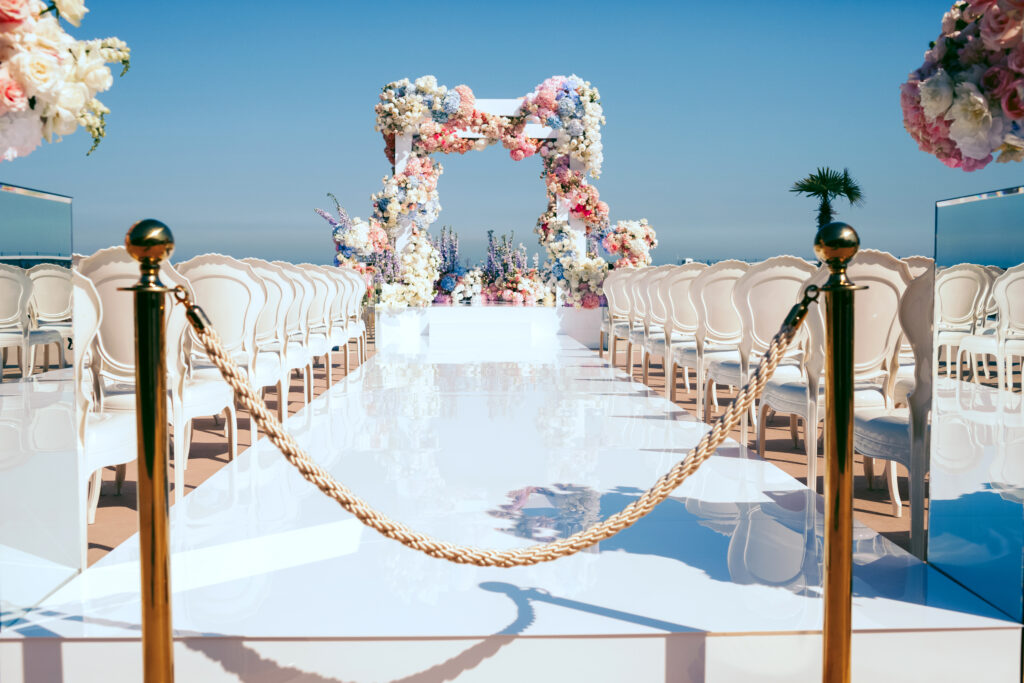
What is Wedding Planning Certification?

Wedding planning certification programs are designed to educate aspiring wedding planners on various aspects of the industry. These programs cover a wide range of topics, including event management, budgeting, vendor coordination, wedding design, and more. By completing a certification program, you gain a comprehensive understanding of the intricacies involved in planning and executing weddings.

Why Get Certified?

Obtaining a certification in wedding planning offers numerous benefits. Firstly, it enhances your credibility and professionalism. Clients seeking wedding planners often prioritize certified professionals, as they have proof of their expertise and commitment to the field. Certification also provides networking opportunities, allowing you to connect with industry experts and other certified professionals. Additionally, many certification programs offer ongoing education and resources to keep you updated on the latest trends and best practices.

Steps to Obtaining a Wedding Planning Certification

To obtain a certification in wedding planning, you need to follow a series of steps:

a. Research Certification Programs

Begin by researching various certification programs available. Look for reputable organizations that offer comprehensive curriculums and have a strong reputation in the industry. Consider factors such as program duration, cost, and the specific topics covered.

b. Meet Eligibility Criteria

Each certification program has its own set of eligibility criteria. Some programs may require you to have a certain level of education or professional experience in the event planning industry. Ensure you meet the prerequisites before proceeding with the application process.

c. Complete the Application Process

Once you’ve identified the certification program that suits your needs, complete the application process. This typically involves submitting an application form, providing the necessary documentation, and paying the required fees.

d. Study and Prepare

Upon acceptance into the certification program, dedicate time to study and prepare for the certification exam. Familiarize yourself with the program materials, attend workshops or webinars, and make use of study resources provided by the certification organization.

e. Pass the Certification Exam

The certification exam is designed to assess your knowledge and understanding of wedding planning principles and practices. Study diligently and be prepared to demonstrate your expertise during the exam. Upon successfully passing the exam, you will earn your certification.

f. Maintain Certification

Certifications usually require periodic renewal to ensure professionals stay up-to-date with industry standards. Familiarize yourself with the renewal requirements and participate in continuing education programs or industry events to maintain your certification.

Skills Developed Through Certification

Obtaining a certification in wedding planning equips you with a diverse set of skills essential for success in the field. Here are some key skills developed through the certification process:

- Event Management

Certification programs provide in-depth training on event management, teaching you how to plan and execute weddings from start to finish. You’ll learn about creating timelines, coordinating with vendors, managing logistics, and ensuring a seamless flow of events.

- Budgeting and Financial Planning

Weddings involve intricate budgeting and financial planning. Through certification, you’ll learn how to create and manage budgets, allocate funds effectively, negotiate with vendors, and handle the financial aspects of the wedding planning process.

- Vendor Selection and Coordination

Selecting the right vendors is crucial for a successful wedding. Certification programs provide insights into vendor selection, contract negotiation, and maintaining effective communication with vendors to ensure all aspects of the wedding align with the couple’s vision.

- Contract Negotiation

Contracts play a significant role in wedding planning. Certification programs teach you the art of contract negotiation, ensuring you secure the best deals with vendors while safeguarding your client’s interests.

- Wedding Design and Styling

Certification programs cover wedding design and styling, teaching you how to translate couples’ visions into stunning realities. You’ll gain knowledge about colour schemes, décor, floral arrangements, and other design elements that contribute to the overall ambience of a wedding.

- Communication and Interpersonal Skills

Wedding planners must possess excellent communication and interpersonal skills. Certification programs emphasize effective communication with clients, vendors, and other stakeholders involved in the wedding planning process.

- Problem-Solving and Decision Making

Weddings often encounter unexpected challenges. The certification equips you with problem-solving and decision-making skills to handle unforeseen circumstances calmly and efficiently.

- Time Management

Effective time management is crucial in the wedding planning industry. Certification programs provide techniques to optimize your time, prioritize tasks, and meet deadlines without compromising quality.

- Crisis Management

In high-pressure situations, being able to handle crises is essential. Certification programs teach you how to manage emergencies, mitigate risks, and ensure a smooth experience for clients, even in challenging circumstances.

- Marketing and Business Development

Certification programs often touch upon marketing and business development strategies specific to the wedding planning industry. You’ll learn how to attract clients, build your brand, and establish a successful wedding planning business.

Conclusion

Getting a certification in wedding planning is a valuable step towards building a successful career in the industry. It enhances your credibility, equips you with essential skills, and opens doors to exciting opportunities. By investing in a certification program, you demonstrate your commitment to excellence and provide clients with peace of mind, knowing their special day is in capable hands.

FAQs

Q1: How long does it take to complete a wedding planning certification program?

The duration of certification programs varies. Some programs can be completed in a few weeks, while others may take several months, depending on the depth of the curriculum and the flexibility of the program.

Q2: Are online certification programs as reputable as in-person programs?

Yes, online certification programs can be just as reputable as in-person programs. It’s important to research and choose a program offered by a credible organization with a strong reputation in the industry.

Q3: Can I start a wedding planning business without a certification?

While certification is not a legal requirement to start a wedding planning business, it significantly enhances your professional standing and credibility. It provides valuable knowledge and skills that can give you a competitive edge in the industry.

Q4: Are there any continuing education requirements to maintain the certification?

Yes, most certifications require continuing education to maintain your certification. This ensures that certified professionals stay updated with the latest trends and best practices in the wedding planning industry.

Q5: Can I specialize in a specific type of wedding planning through certification?

Some certification programs offer specialization tracks that allow you to focus on specific areas of wedding planning, such as destination weddings, cultural weddings, or luxury weddings. Consider researching programs that align with your desired specialization